Concrete PSI: A Homeowners Guide | Crockett & Sons Concrete
John Crockett • January 29, 2026
What PSI of Concrete Should You Choose? A Homeowner’s Guide
What PSI of Concrete Should You Choose? A Homeowner’s Guide
Choosing the correct PSI (pounds per square inch) for your concrete project is one of the most important decisions you can make. The wrong PSI can lead to cracking, premature failure, or unnecessary cost. The right PSI ensures your concrete lasts for decades.
In this guide, we’ll explain what concrete PSI means, which PSI to use for different projects, and what we recommend for Maryland homes.
What Does PSI Mean in Concrete?
PSI measures how much pressure concrete can withstand before it fails. Higher PSI means stronger concrete, but stronger isn’t always better for every application.
Concrete gains strength over time and typically reaches its rated PSI after 28 days of curing.
Common Concrete PSI Ratings And What They’re Used For:
3,000 PSI Concrete
Best for:
Sidewalks if not exposed to freeze/thaw climates
Footings
Pros:
Cost-effective
Easy to work with
Cons:
Not ideal for driveways, patios, garage floors, etc
3,500 PSI Concrete
Best for:
Residential driveways (Not exposed to deicing agents and freeze/thaw)
Patios
Garage floors(Light Duty)
Most homeowner projects
Why it’s popular:
3,500 PSI is the most commonly used concrete for residential construction in Harford, Cecil, and Chester County. It balances strength, durability, and cost.
4,000 PSI Concrete
Best for:
Driveways
Commercial slabs
Garage Floors
High-traffic areas
Where concrete is exposed to freeze/thaw climates
Pros:
Increased durability
Better resistance to cracking and freeze-thaw cycles, and deicing agents
Cons:
Higher cost
Requires proper placement and curing
4,500+ PSI Concrete
Best for:
Commercial and industrial projects
Structural applications
Specialized engineering requirements
Driveways, garage floors, aprons and any project where maximum protection from deicing agents and strength is required
Best Concrete PSI for Maryland and Pennsylvania Weather
In Harford and Cecil County Maryland, as well as Chester County, PA concrete must withstand:
Freeze–thaw cycles
Moisture
Temperature swings such as Extremely Hot Summers and Extremely Cold Winters
Stronger mixes also perform better when combined with proper sub-base preparation and reinforcement.
PSI Isn’t Everything (What Else Matters)
Choosing the right PSI is important, but it’s only part of the equation. Long-lasting concrete also depends on:
Proper subgrade preparation
Correct reinforcement (rebar or wire mesh)
Proper water-to-cement ratio
Skilled finishing techniques
Correct curing methods
Even high-PSI concrete can fail if installed incorrectly.
What PSI Do We Use at Crockett & Sons Concrete, Inc.?
At Crockett & Sons Concrete, Inc., we select concrete PSI based on:
We suggest 3500 psi concrete for most projects. We would suggest 4000 psi for driveways, sidewalks, garages, slabs, etc where extra strength is required and just as important, where deicing protection is required. We also strongly suggest sealing any concrete exposed to deicing agents with a quality penetrating sealer for maximum protection!
We don’t use a one-size-fits-all approach. Every driveway, patio, slab, or foundation is built using the right mix for the job.
Need Help Choosing the Right Concrete PSI?
If you’re planning a concrete project in Harford or Cecil County, MD or Chester County, PA we’ll help you choose the correct PSI to ensure strength, durability, and value.
We proudly serve:
Bel Air
Aberdeen
Fallston
Havre de Grace
Forest Hill
Abingdon
Rising Sun
North East
Oxford
West Grove
Avondale
Nottingham
And the Surrounding areas of Harford, Cecil, and Chester County
📞 Contact Crockett & Sons Concrete, Inc. today for expert advice and professional installation.

Hiring an unlicensed contractor in Maryland can lead to poor workmanship, legal risks, and major expenses. Learn why an MHIC license protects homeowners.
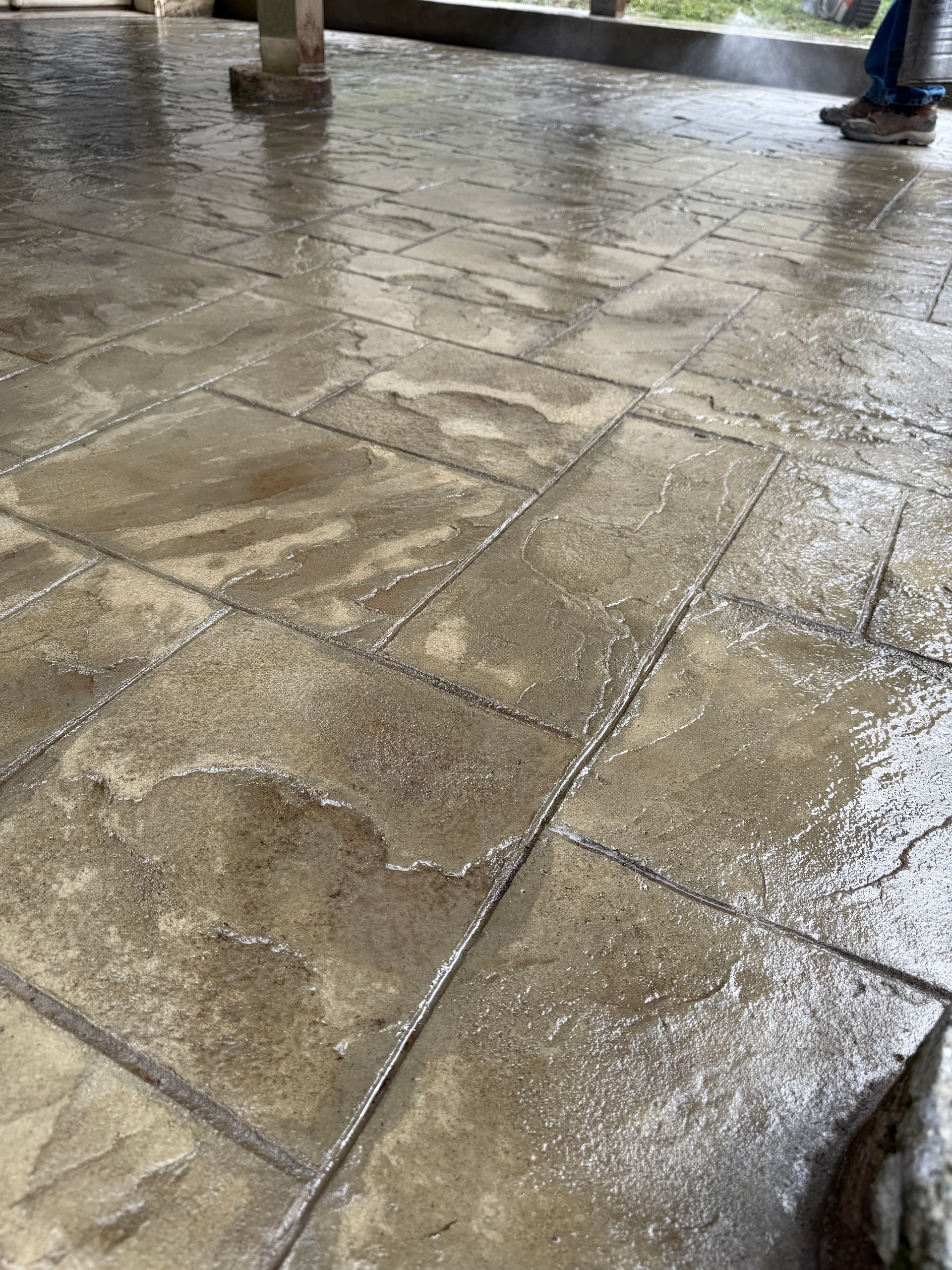
Learn how to make stamped concrete not slippery. Anti-slip tips for patios, pool decks & driveways in Cecil County MD & Chester County PA.
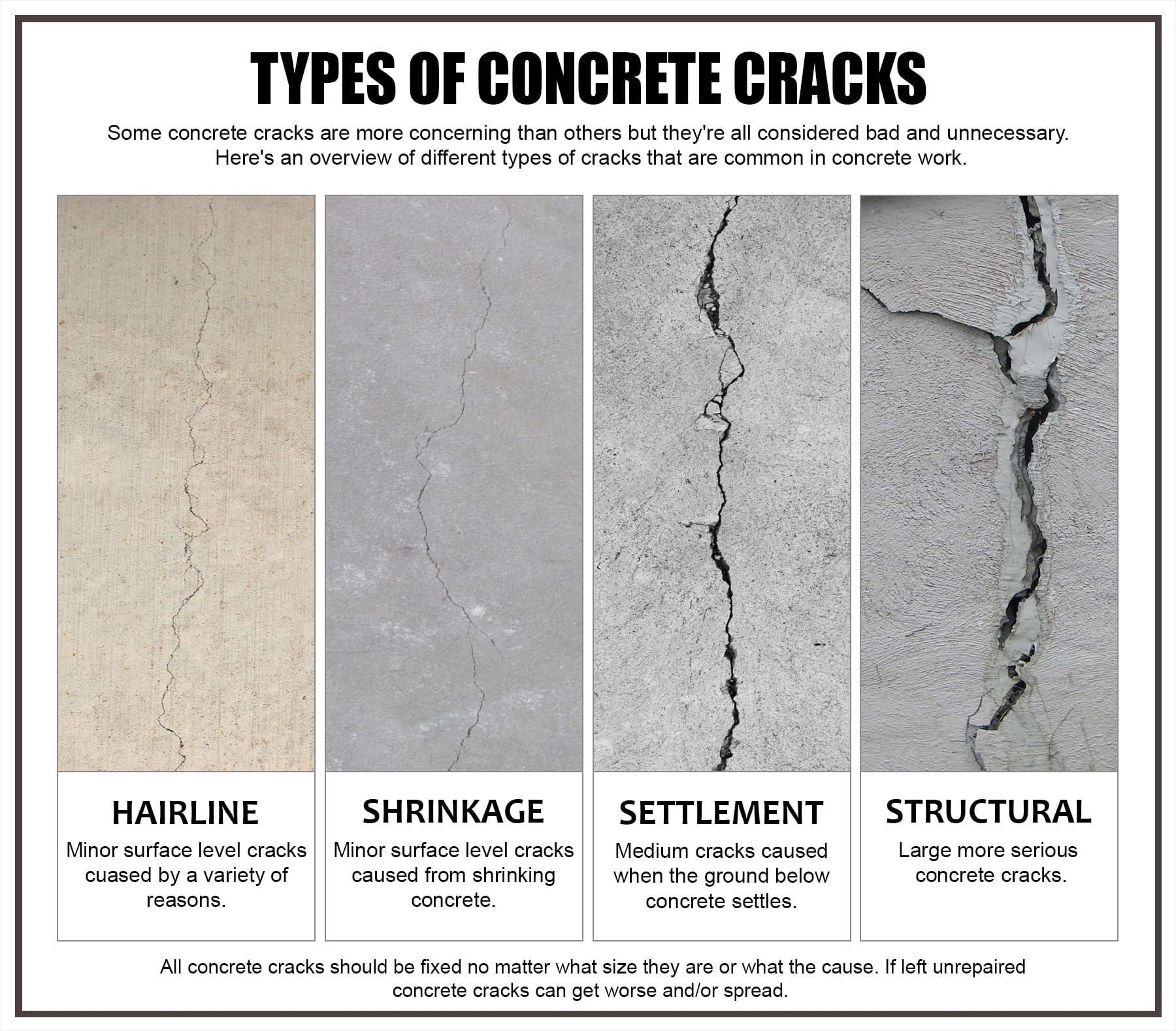
Learn the most common types of concrete cracks, what causes them, and when repairs are needed. A helpful homeowner’s guide to protecting your concrete surfaces.
Learn how to clean concrete driveways, patios, and sidewalks with simple tools, safe cleaners, and step-by-step methods to remove dirt, oil stains, and algae.
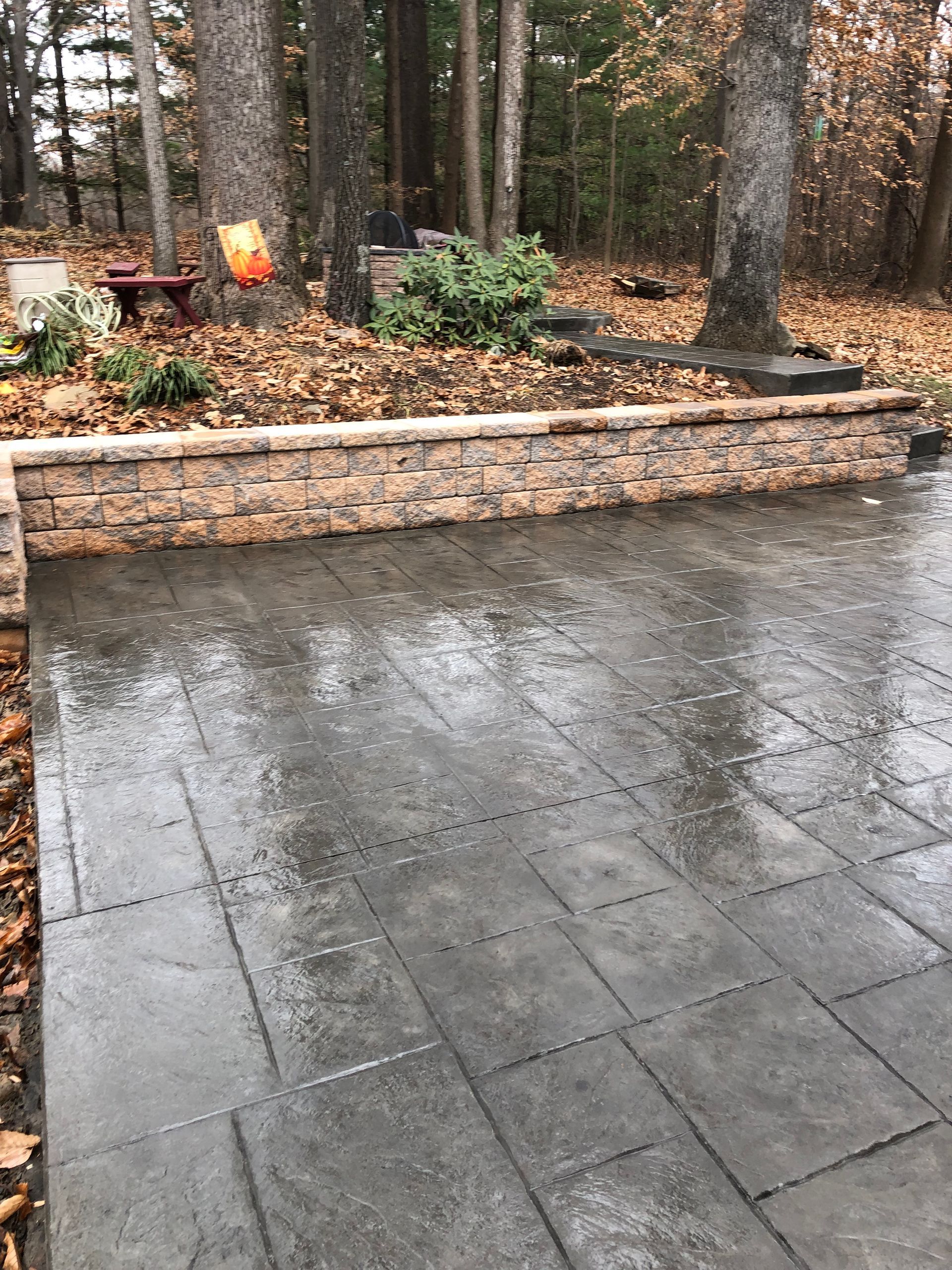
Upgrade your patio, driveway, or walkway with decorative stamped concrete. Crockett & Sons Concrete, delivers durable, custom designs with professional installation
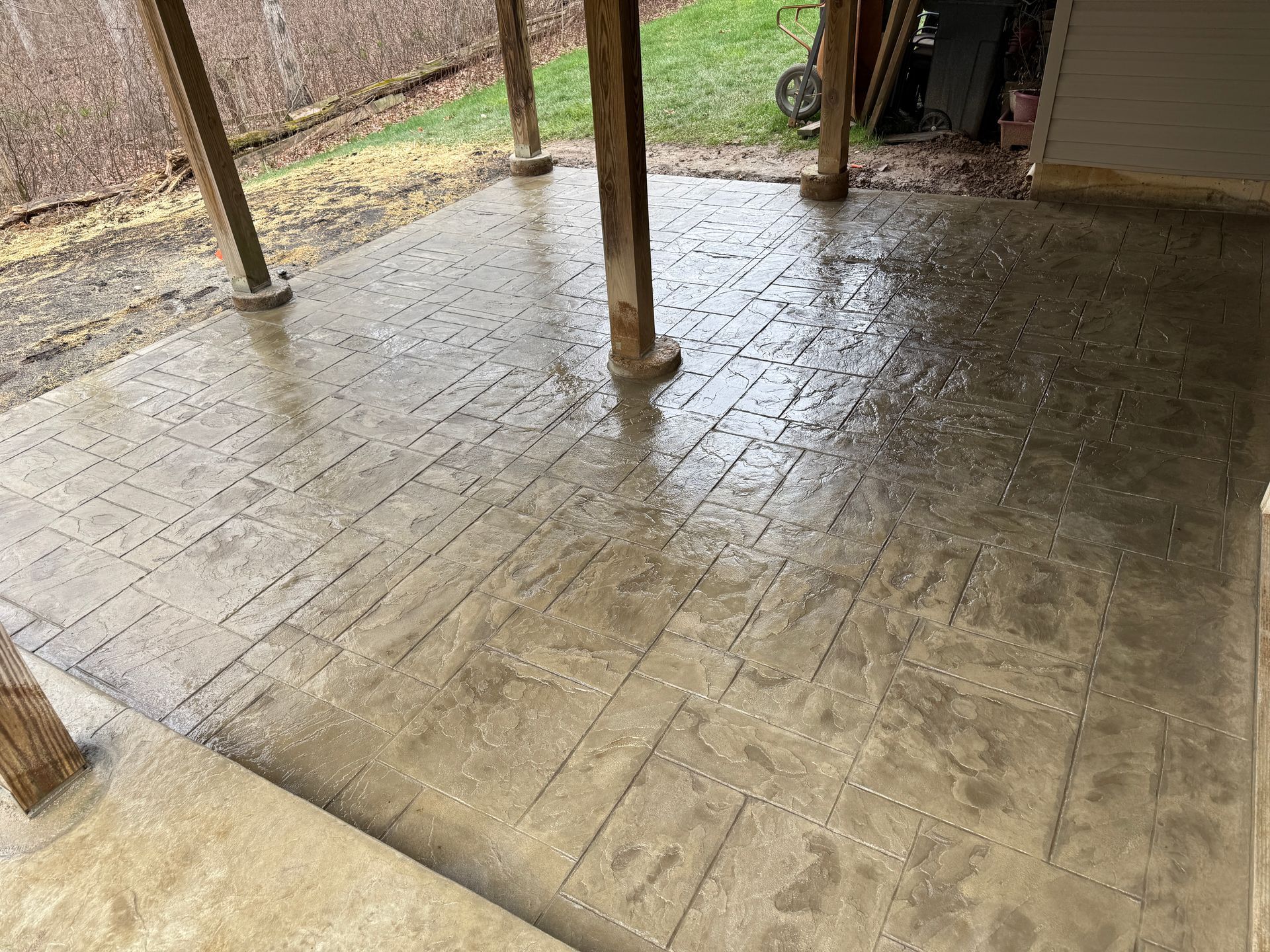
Considering a concrete patio vs. a deck in Aberdeen, MD? Learn why concrete patios (including stamped and colored options) outperform wood decks
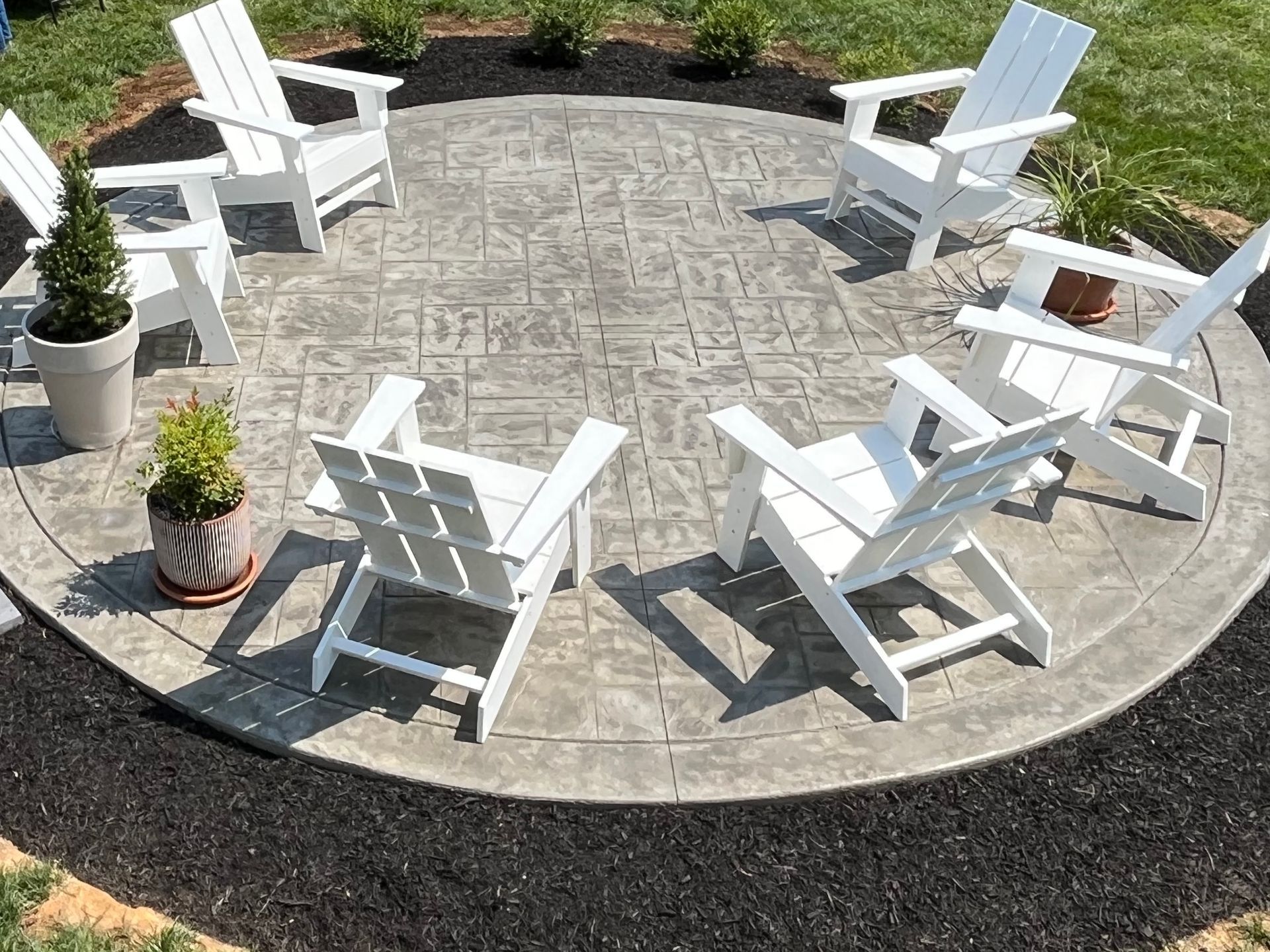
Learn how cold Bel Air winters affect concrete, when it’s safe to pour in winter, and expert tips to prevent cracks, scaling, and freeze–thaw damage.
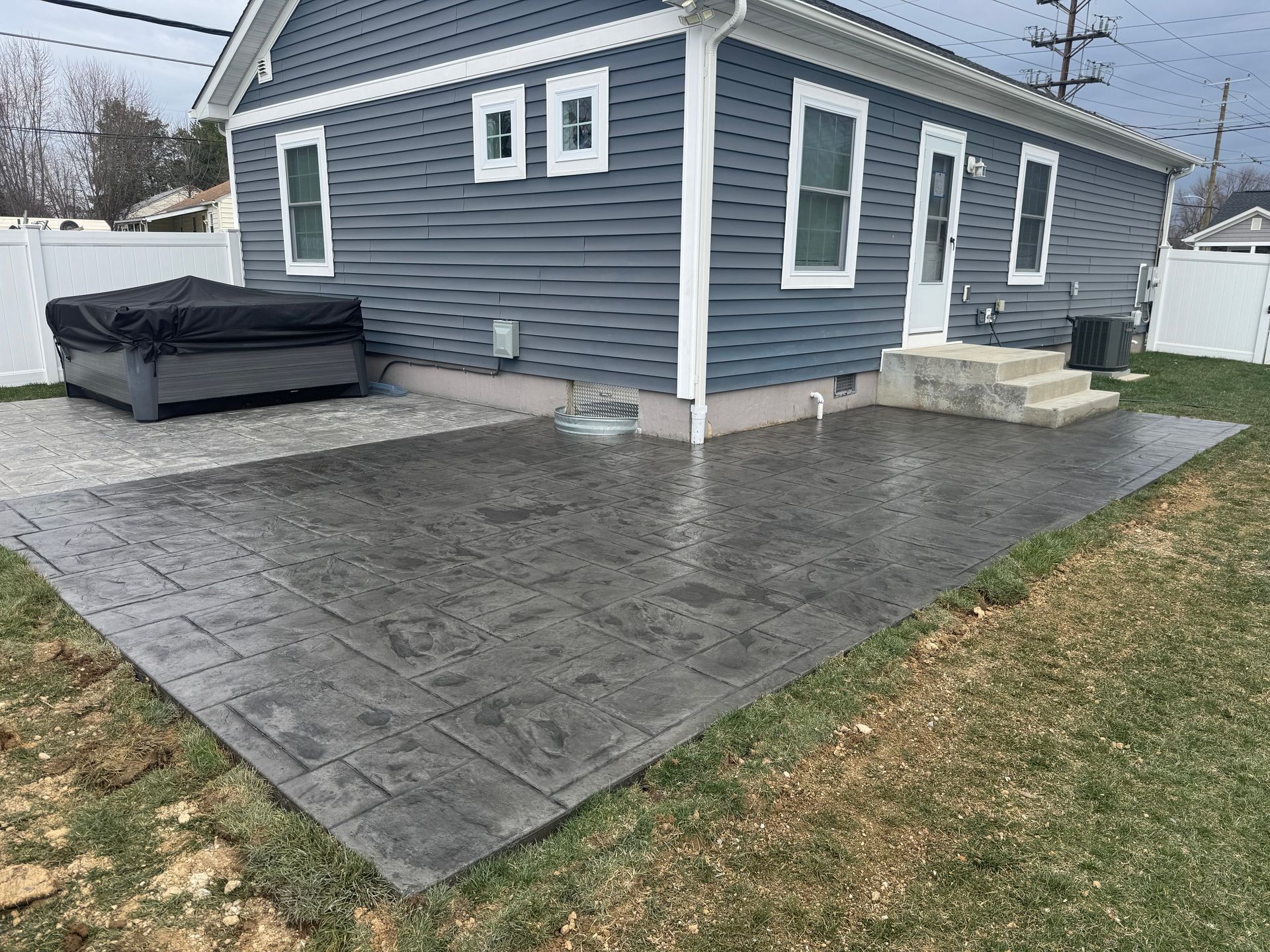
Discover the differences between pavers and concrete, including cost, durability, maintenance, and best uses to help homeowners choose the right option.
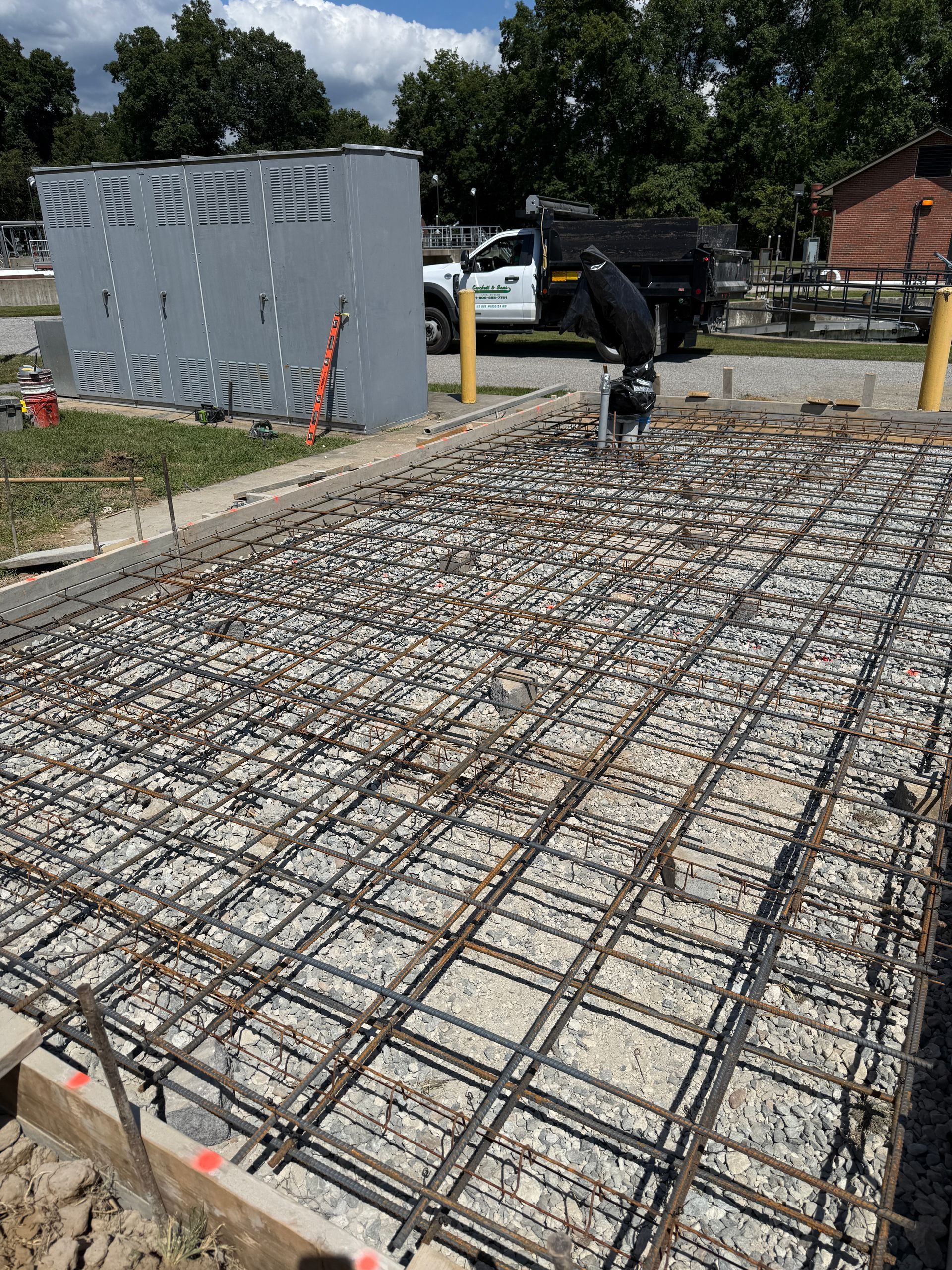
Learn how Fibermesh reinforcement strengthens concrete patios, driveways, and sidewalks with improved durability, crack resistance, & long-lasting performance.
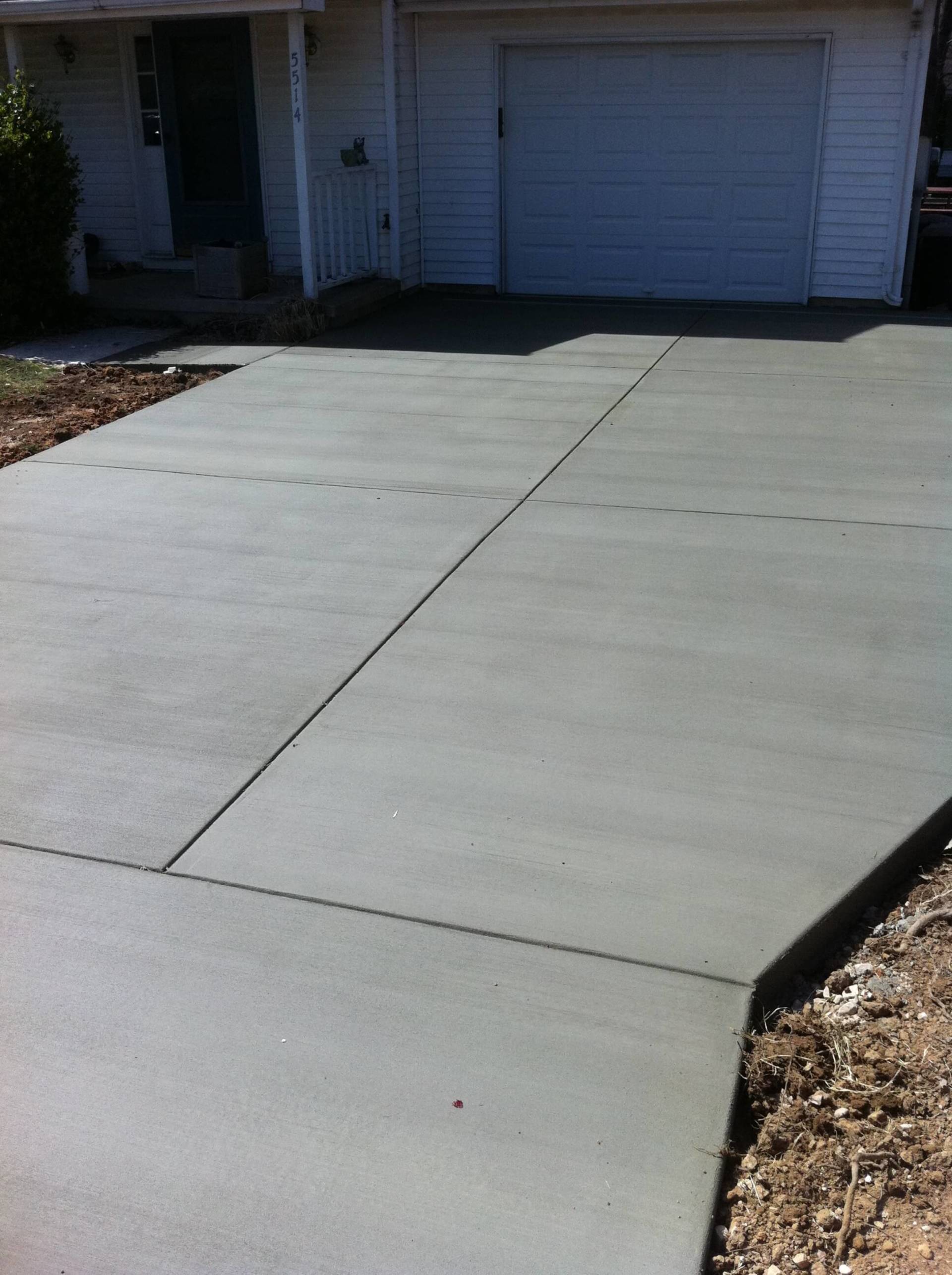
Learn essential concrete driveway protection and maintenance tips, including sealing, cleaning, crack prevention & seasonal care for long-lasting performance.