Why Concrete Patios Beat Wood Decks in Aberdeen, MD — Durable, Low-Maintenance Outdoor Living
John Crockett • January 20, 2026
If you’re a homeowner in Aberdeen, MD deciding between a concrete patio and a wood deck, the choice affects comfort, maintenance, curb appeal, and long-term value. Concrete patios are increasingly the preferred option in Harford County and the greater Chesapeake Bay region because they handle local weather, salt exposure, and seasonal freeze-thaw better than lumber-based decks. Below are the top reasons concrete patios outperform decks in Aberdeen, MD — and what to consider when planning your outdoor living upgrade.
1. Built for Aberdeen’s climate
Aberdeen’s proximity to the Chesapeake Bay brings humid summers, occasional coastal winds, and cold winters with freeze-thaw cycles. Properly mixed and installed concrete resists rot, warping, and structural weakening that wood decks often suffer from in this climate. Concrete also tolerates deicing salts and moisture better, reducing long-term repair needs.
2. Lower maintenance for busy homeowners
Wood decks require frequent staining, sealing, and board replacements to stay safe and attractive. In contrast, concrete patios need minimal upkeep—periodic cleaning and resealing every few years (depending on finish and exposure). For Aberdeen homeowners who prefer low-maintenance outdoor spaces, concrete saves time and recurring expense.
3. Durability and longevity
A well-installed concrete patio can last 25–40 years or longer, while wood decks frequently need major repairs or replacement in 10–20 years in coastal and humid environments. Concrete handles heavy furniture, grills, and everyday foot traffic without sagging or splintering.
4. Design flexibility to match local styles
Concrete offers many design options that suit Aberdeen’s residential styles:
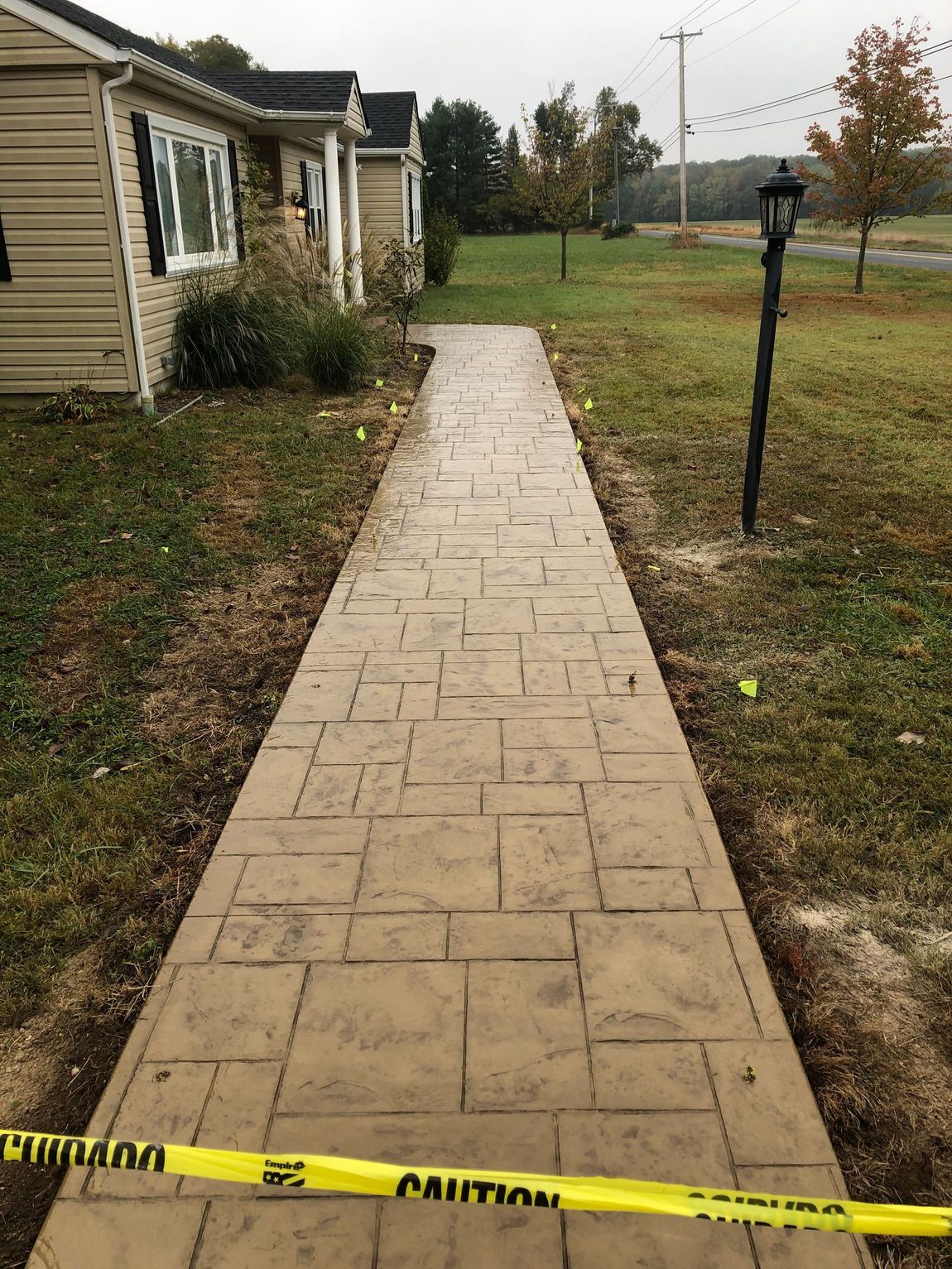
- Stamped concrete that mimics slate, brick, or natural stone — ideal for historic neighborhoods.
- Integral color or acid staining for long-lasting hues that complement brick facades and coastal palettes.
- Exposed aggregate and polished finishes for modern homes.
This flexibility lets you create a patio that integrates with landscaping, walkways, and home architecture better than a standard wood deck.
5. Better value and resale appeal in Harford County
Buyers often view concrete patios as permanent, low-maintenance upgrades. In Aberdeen’s competitive real estate market, a quality concrete patio can improve curb appeal and perceived value more than a weathered deck that will require upkeep.
6. Safety and accessibility
Concrete provides a stable, level surface that’s wheelchair- and stroller-friendly. Textured finishes, broom finishes, or anti-slip additives improve traction during wet or icy conditions — a plus for families and older homeowners.
7. Cost considerations — short-term and long-term
While initial installation of concrete (especially stamped or decorative finishes) can be comparable or sometimes higher than a basic deck, the lifetime cost tends to be lower because concrete avoids frequent staining, board replacement, and structural repairs. When planning your budget, consider total cost of ownership over 10–20 years.
8. Local permitting and contractor tips
- Permits: Check Aberdeen city or Harford County building regulations for patio permits — larger structures or those altering drainage may require approval.
- Contractors: Choose an experienced local concrete contractor familiar with Maryland’s freeze-thaw requirements and proper subbase drainage for Chesapeake Bay-area soils.
- Drainage: Proper grading and French drains prevent runoff and pooling that can damage foundations and landscaping.
Design ideas for Aberdeen homes
- Coastal cottage: Light-gray stained concrete with stamped slate pattern and a natural stone border.
- Historic district: Brick-imprint stamped concrete to match red-brick facades.
- Modern backyard: Smooth polished concrete with integrated planters and LED step lighting.
Quick checklist before you build
- Confirm property lines and HOA rules (if applicable).
- Decide on finish (stamped, stained, exposed aggregate).
- Plan for drainage and base compaction to resist frost heave.
- Get multiple bids from LICENSED contractors and check local references.
Searching for concrete contractors near me? Learn what to check before hiring, including experience, project estimates, materials, workmanship, timelines, and customer reviews.
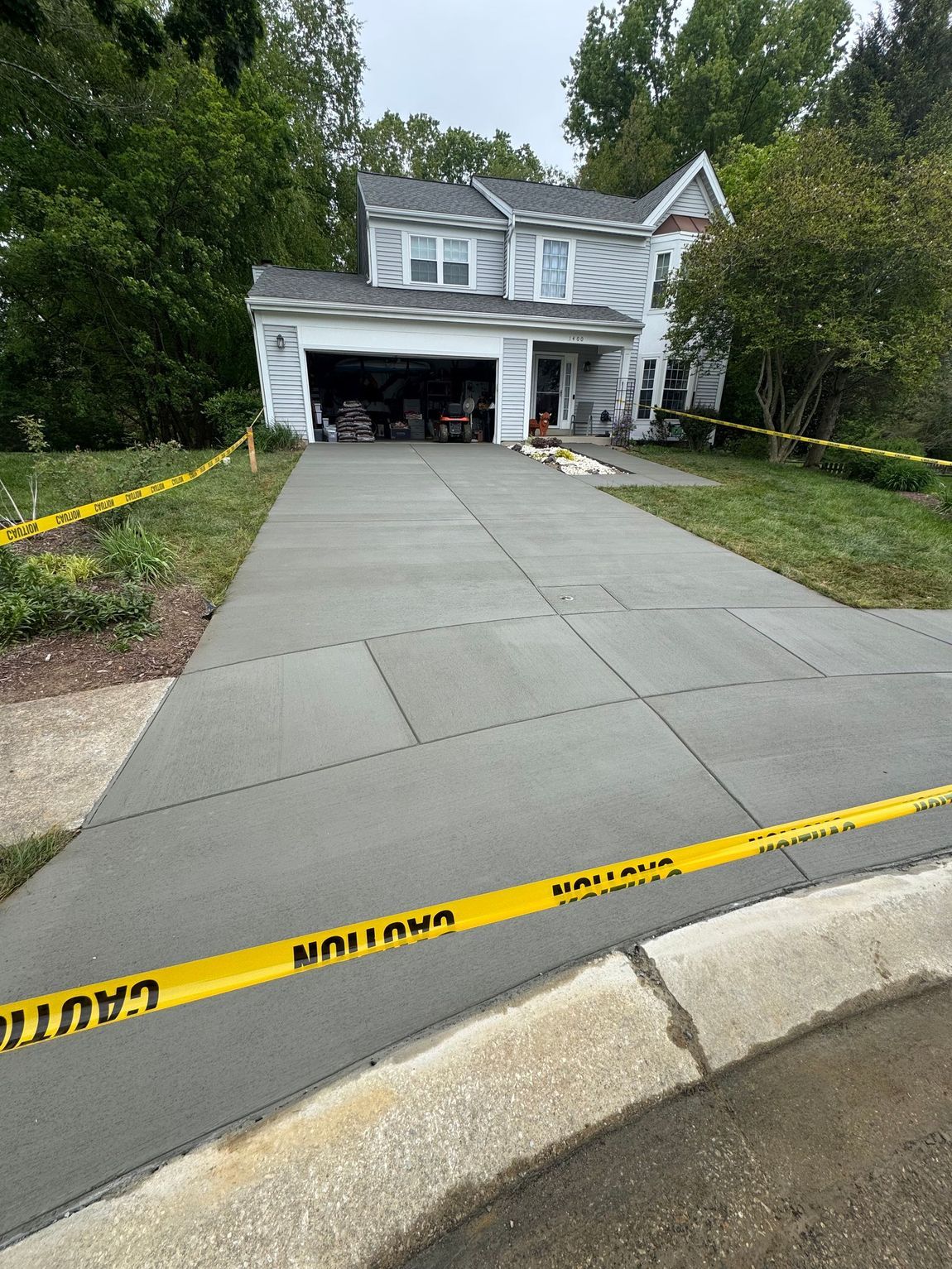
Learn how to compare concrete contractor estimates by evaluating materials, labor, project scope, timelines, warranties, and workmanship instead of choosing based on price alone.
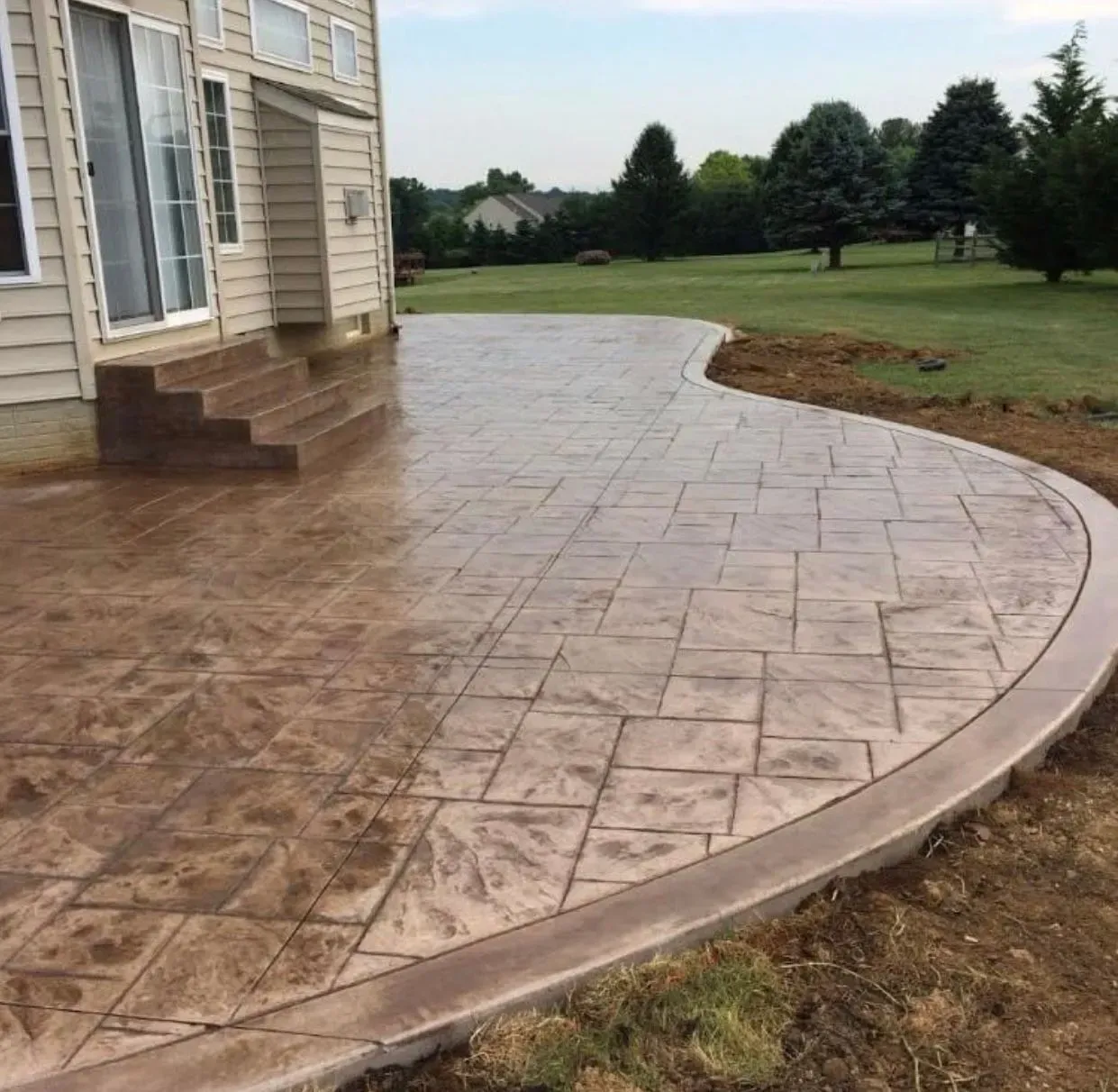
Discover what makes a concrete patio durable and long-lasting, from proper site preparation and quality materials to drainage, installation techniques, and ongoing maintenance.
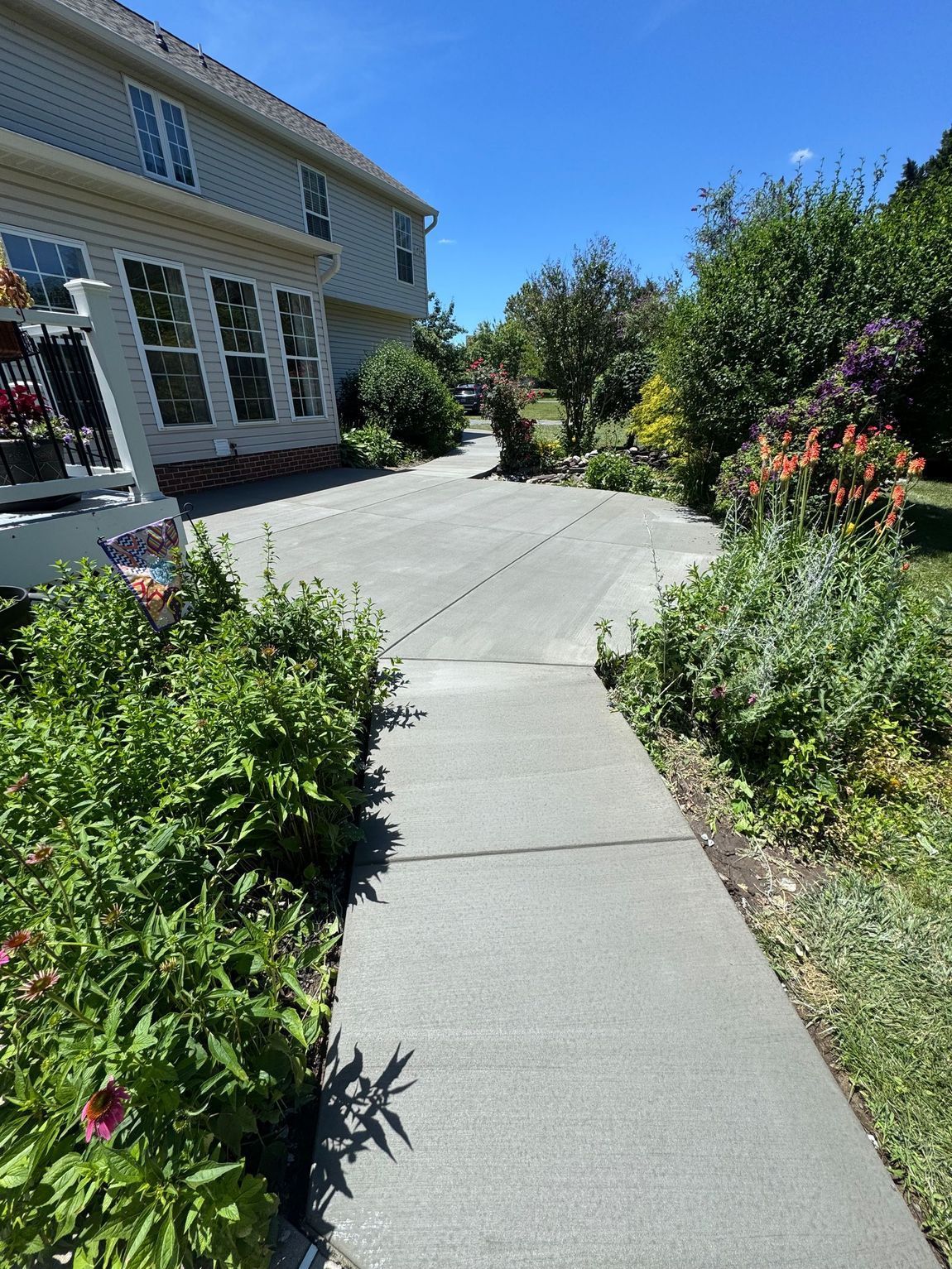
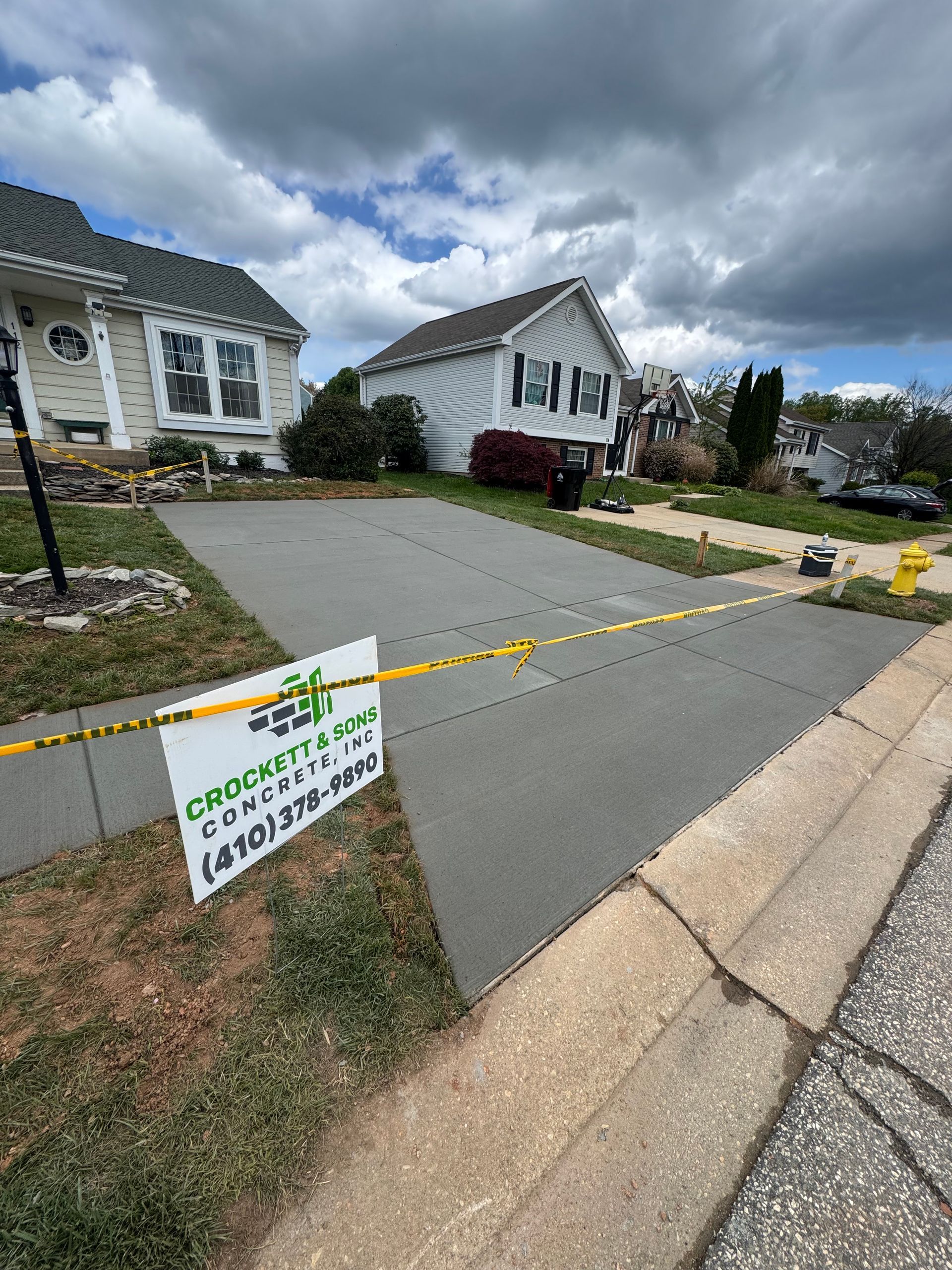
Planning a new concrete driveway? Discover what homeowners should know before installation, from site preparation and drainage to materials, costs, and choosing the right concrete driveway company near you.
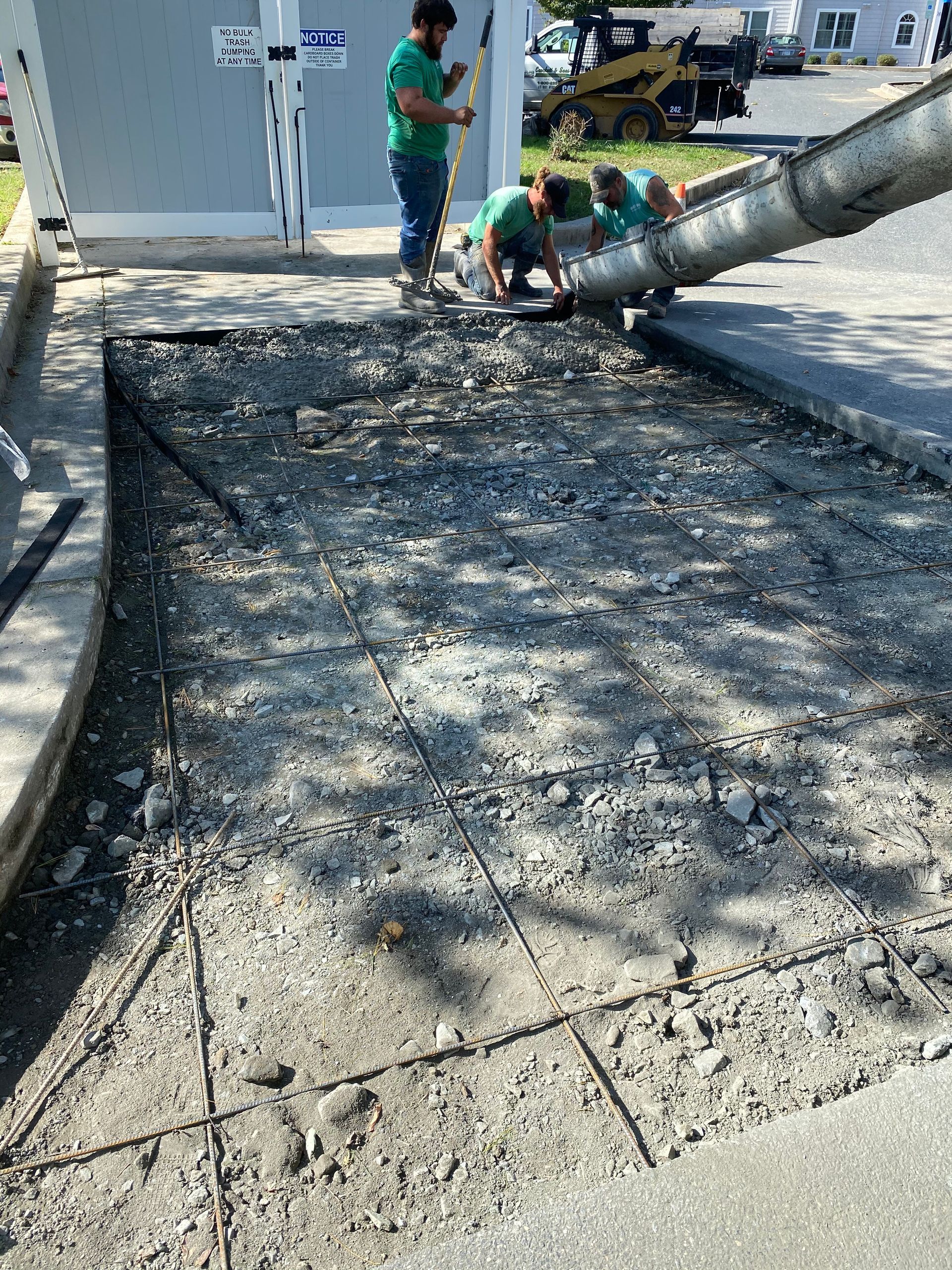
Discover the qualities that set reliable concrete contractors near me apart, including experience, workmanship, communication, transparent pricing, and dependable project results.
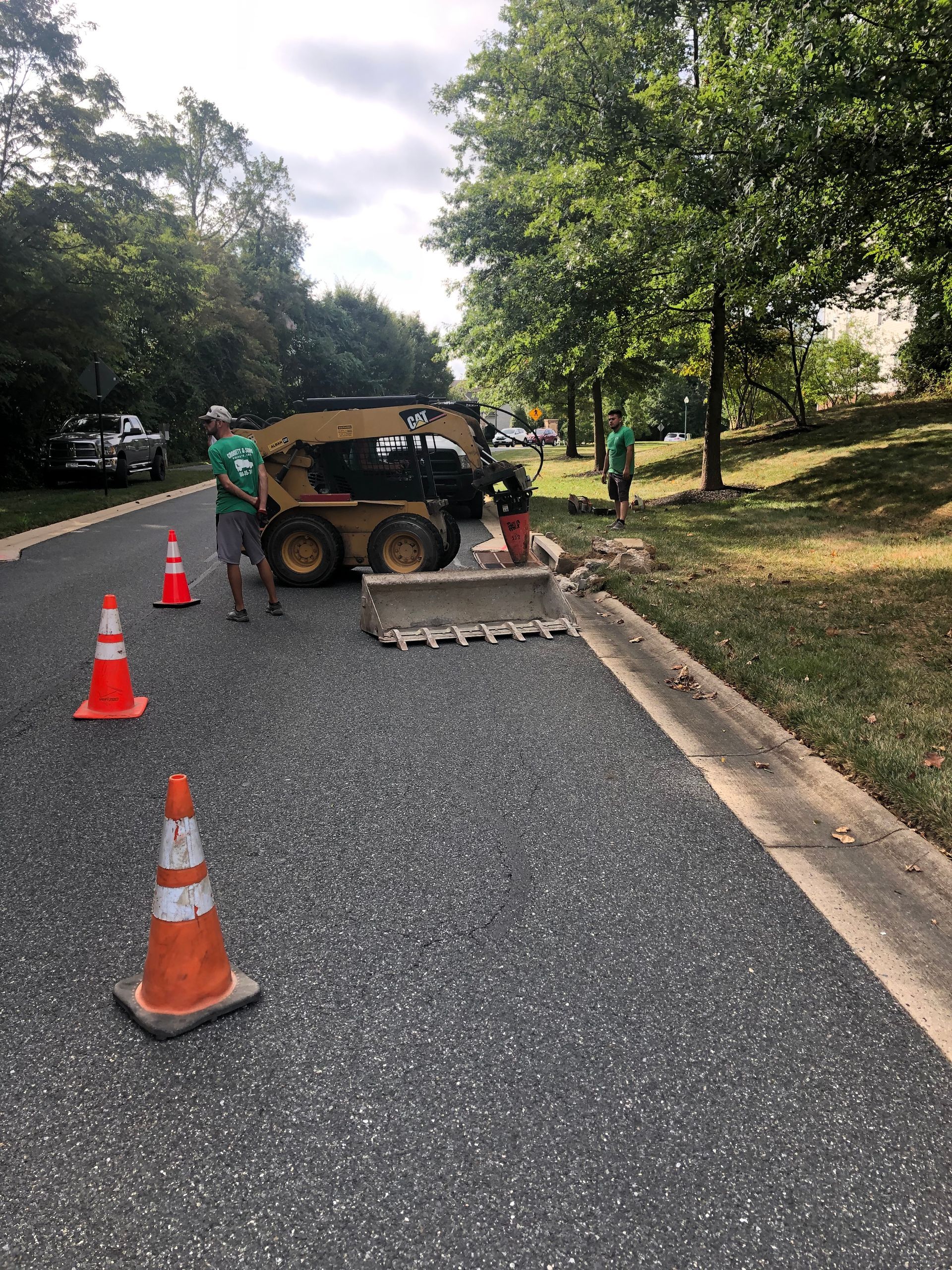
Learn what to consider when choosing a concrete contractor, from experience and services to project estimates, materials, timelines, and quality workmanship.
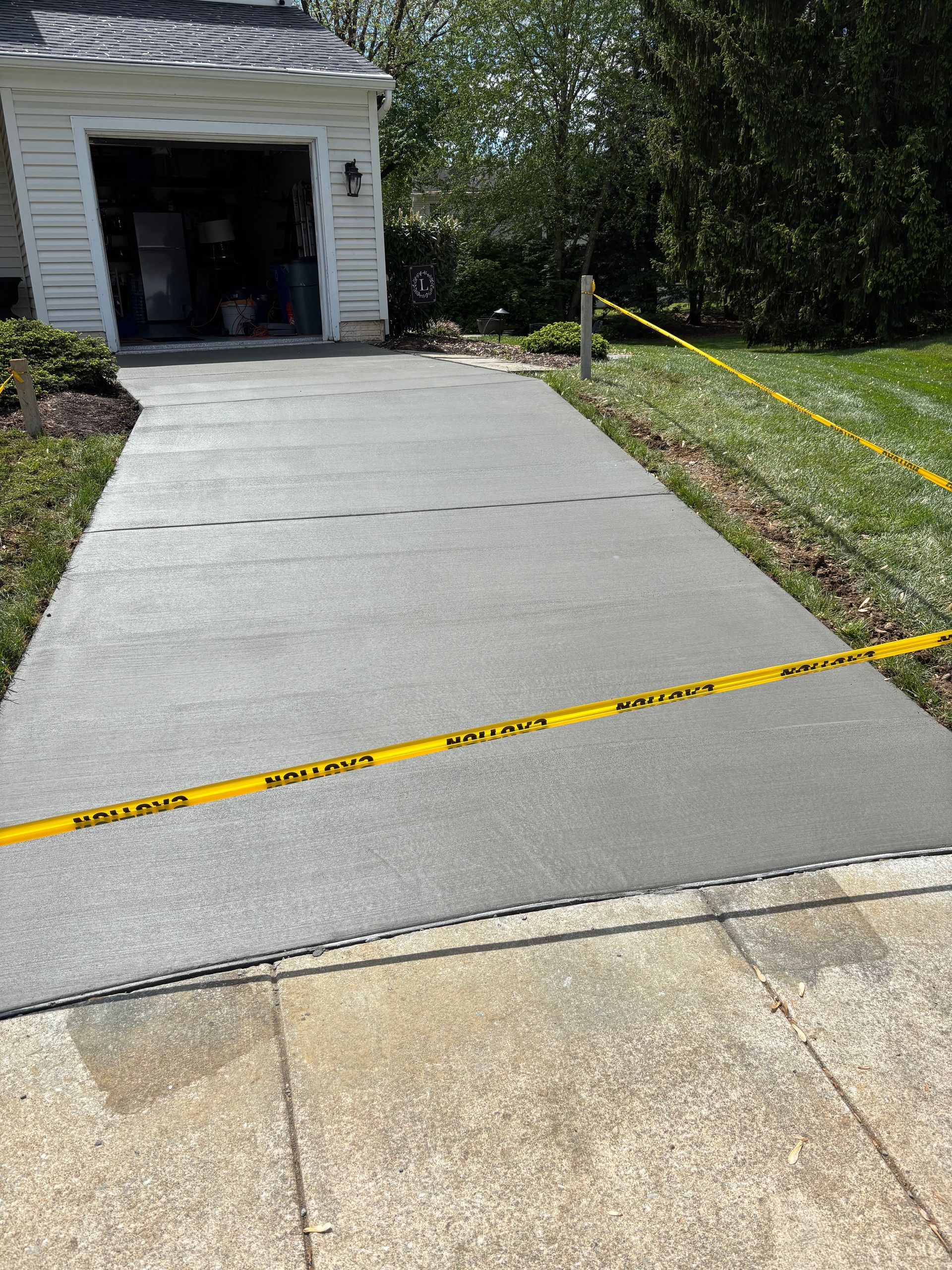
Discover practical commercial concrete maintenance tips and learn how experienced commercial concrete companies can help protect pavement, prevent costly damage, and extend its service life.
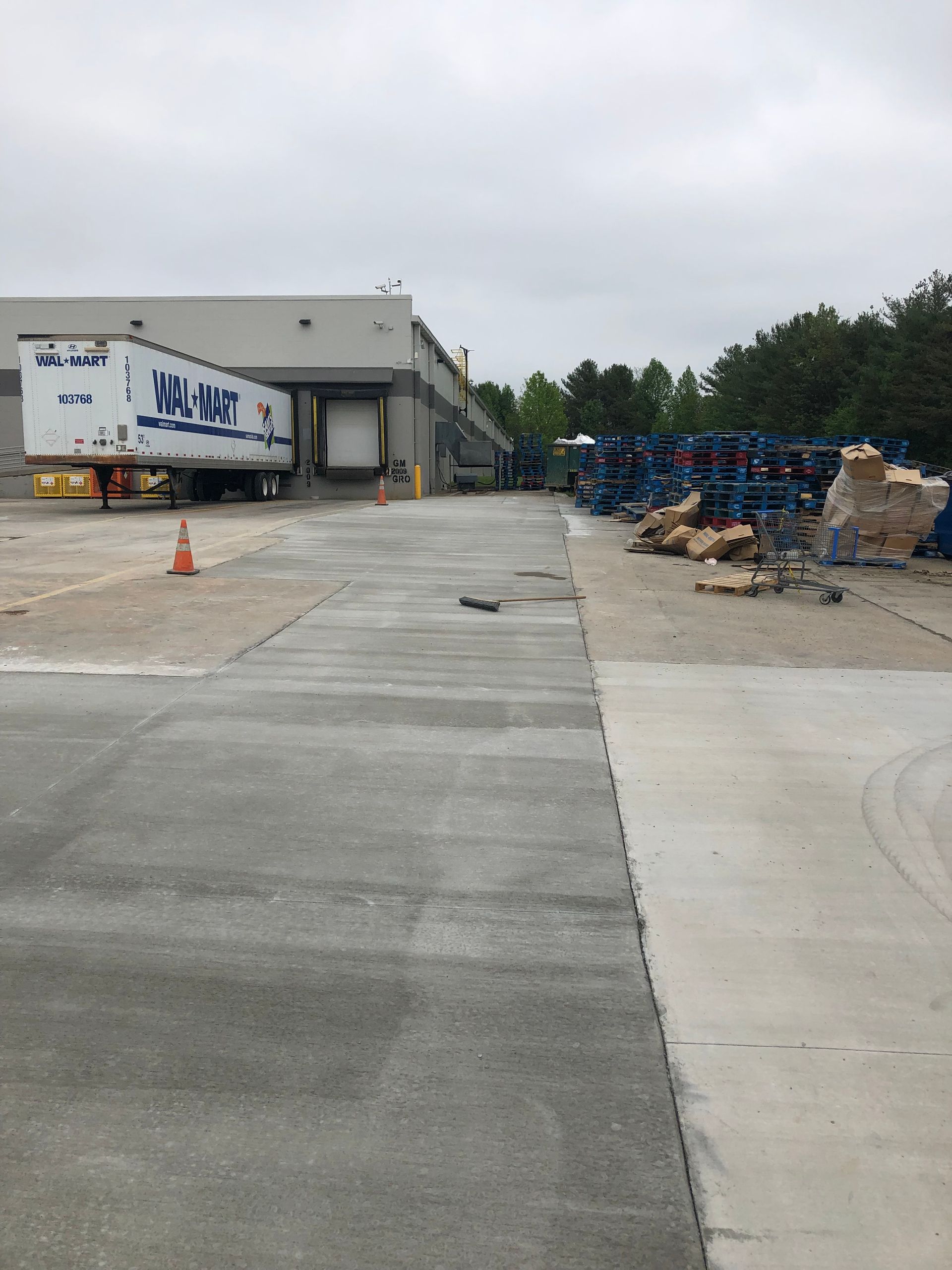
Discover the key features of a functional, stylish concrete patio and learn how experienced concrete patio contractors can create a durable outdoor space for relaxing and entertaining.
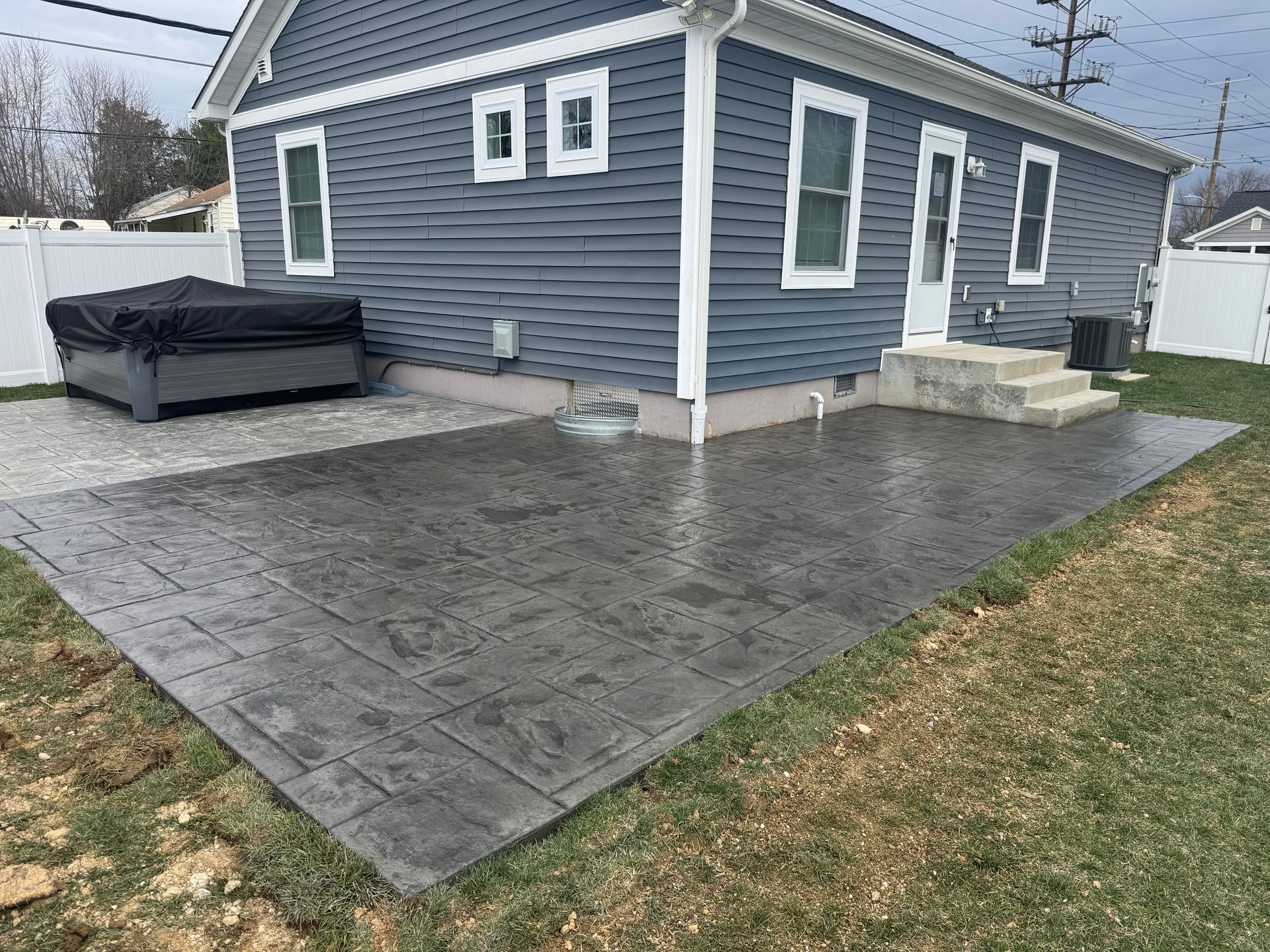
Learn what makes a durable, attractive patio with expert tips from experienced concrete patio contractors. Discover design, drainage and finish ideas.
Learn how long a concrete driveway lasts, what affects its lifespan, and maintenance tips from experienced concrete driveway contractors.