Concrete work in cold Bel Air Winters!
John Crockett • January 16, 2026
Cold Weather Concrete in Bel Air, Maryland
Concrete in the Winter: What Bel Air, MD Homeowners Need to Know
Winter in Bel Air, Maryland brings freezing temperatures, snow, ice, and frequent freeze–thaw cycles — all of which can take a serious toll on your concrete surfaces. From driveways and sidewalks to patios and foundations, cold weather can cause cracking, scaling, and long-term structural damage if concrete isn’t properly installed or maintained.
At Crockett & Sons Concrete, we’ve worked with Maryland homeowners for decades, and we know exactly how winter conditions affect concrete in Harford County. Here’s what you need to know to protect your concrete this winter — and when it’s still possible to pour concrete safely.
How Winter Weather Affects Concrete in Bel Air, MD
Bel Air winters are especially hard on concrete because of repeated freeze–thaw cycles. Water seeps into small pores and cracks, freezes, expands, and then thaws — slowly breaking the concrete apart from the inside.
Common winter-related concrete problems include:
Cracking and surface flaking (scaling)
Spalling caused by moisture expansion
Damage from deicing salts
Heaving or shifting slabs
Worsening of existing cracks
Concrete that wasn’t properly mixed, cured, or sealed is especially vulnerable during Maryland winters.
Can You Pour Concrete in the Winter?
Yes — concrete can be poured in winter, but only when proper cold-weather procedures are followed.
Professional concrete contractors in Bel Air, MD must take extra precautions, including:
Using cold-weather concrete mixes
Monitoring ground and air temperatures
Protecting fresh concrete with insulated blankets
Controlling moisture during curing
Timing pours to avoid freezing conditions
At Crockett & Sons Concrete, we follow industry best practices to ensure concrete cures correctly — even during colder months. Not every winter day is suitable for pouring, which is why experience matters.
Winter Concrete Maintenance Tips for Homeowners
If you already have concrete on your property, winter maintenance is essential to prevent damage and extend its lifespan.
1. Avoid Using Harsh Deicing Salts
Rock salt and chemical deicers can penetrate concrete and accelerate deterioration. Instead, use sand or a concrete-safe deicer when possible.
2. Keep Concrete Clean and Dry
Remove snow and ice promptly to reduce moisture absorption and prevent refreezing damage.
3. Seal Your Concrete
Concrete sealing creates a protective barrier against water and salt intrusion. Fall is ideal, but sealing before or after winter can still help prevent future damage.
4. Address Small Cracks Early
Small cracks can turn into major problems during freeze–thaw cycles. Repairing them early helps prevent costly repairs later.
Why Professional Installation Matters in Cold Climates
Concrete installed without proper reinforcement, drainage, or curing techniques is far more likely to fail in winter conditions. Hiring a local Bel Air concrete contractor ensures your project is designed specifically for Maryland’s climate.
Crockett & Sons Concrete uses:
Proper sub-base preparation
Reinforced concrete where needed
Climate-appropriate mixes
Proven curing and protection methods
This attention to detail helps your concrete withstand harsh winters year after year.
Planning Concrete Projects for Spring
Winter is the perfect time to plan your spring concrete project. Scheduling early ensures you’re first in line when temperatures rise and conditions are ideal for pouring.
Popular spring projects include:
Concrete driveways
Patios and outdoor living spaces
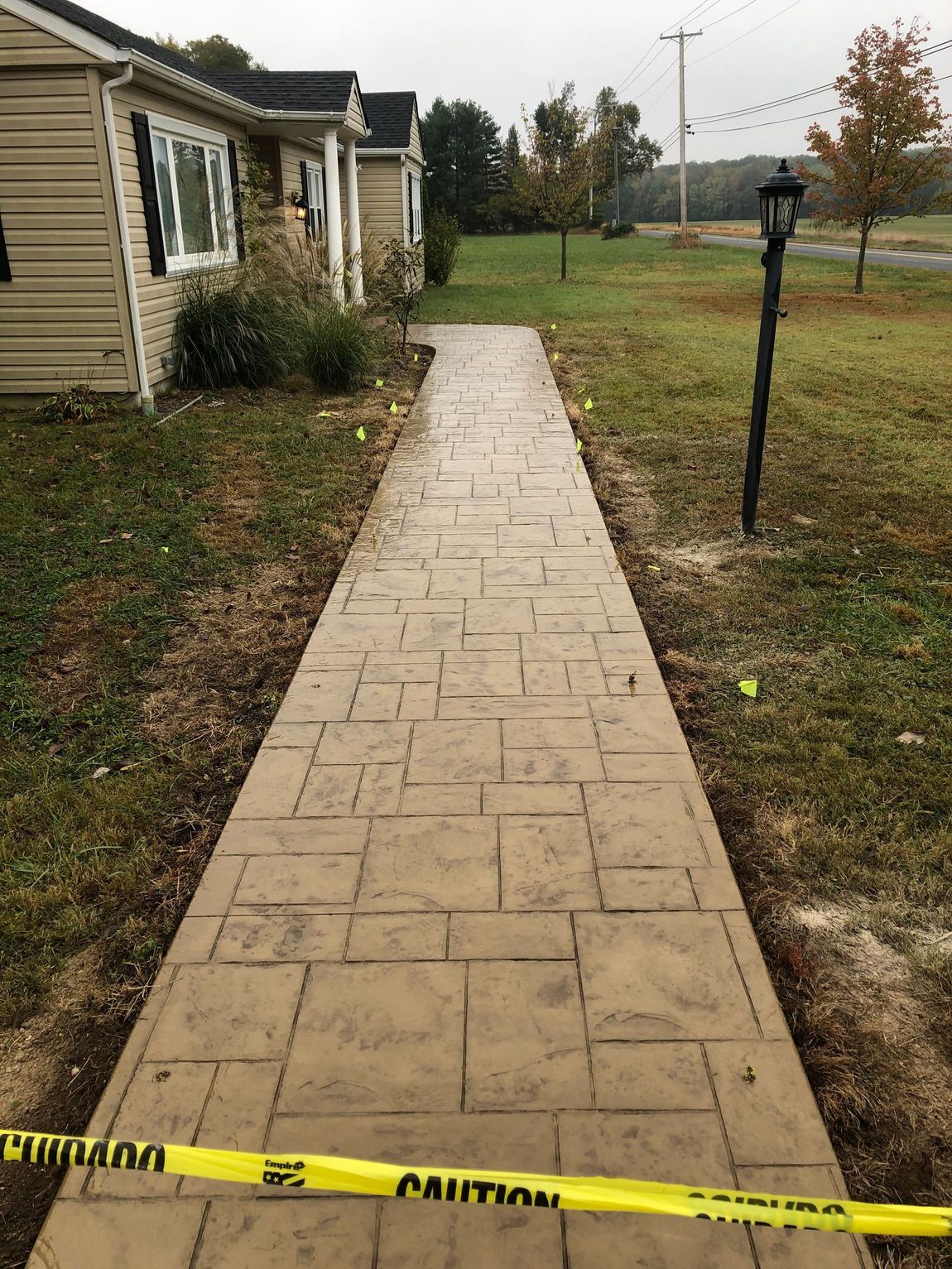
Sidewalks and walkways
Foundations and footings
Trusted Concrete Contractor in Bel Air, MD
If you’re concerned about winter damage or planning a new concrete project, Crockett & Sons Concrete is here to help. We proudly serve Bel Air and surrounding Harford County communities with reliable, high-quality concrete services.
📞 Contact us today to schedule a consultation or request a free estimate — and make sure your concrete is built to last through every Maryland winter.
Searching for concrete contractors near me? Learn what to check before hiring, including experience, project estimates, materials, workmanship, timelines, and customer reviews.
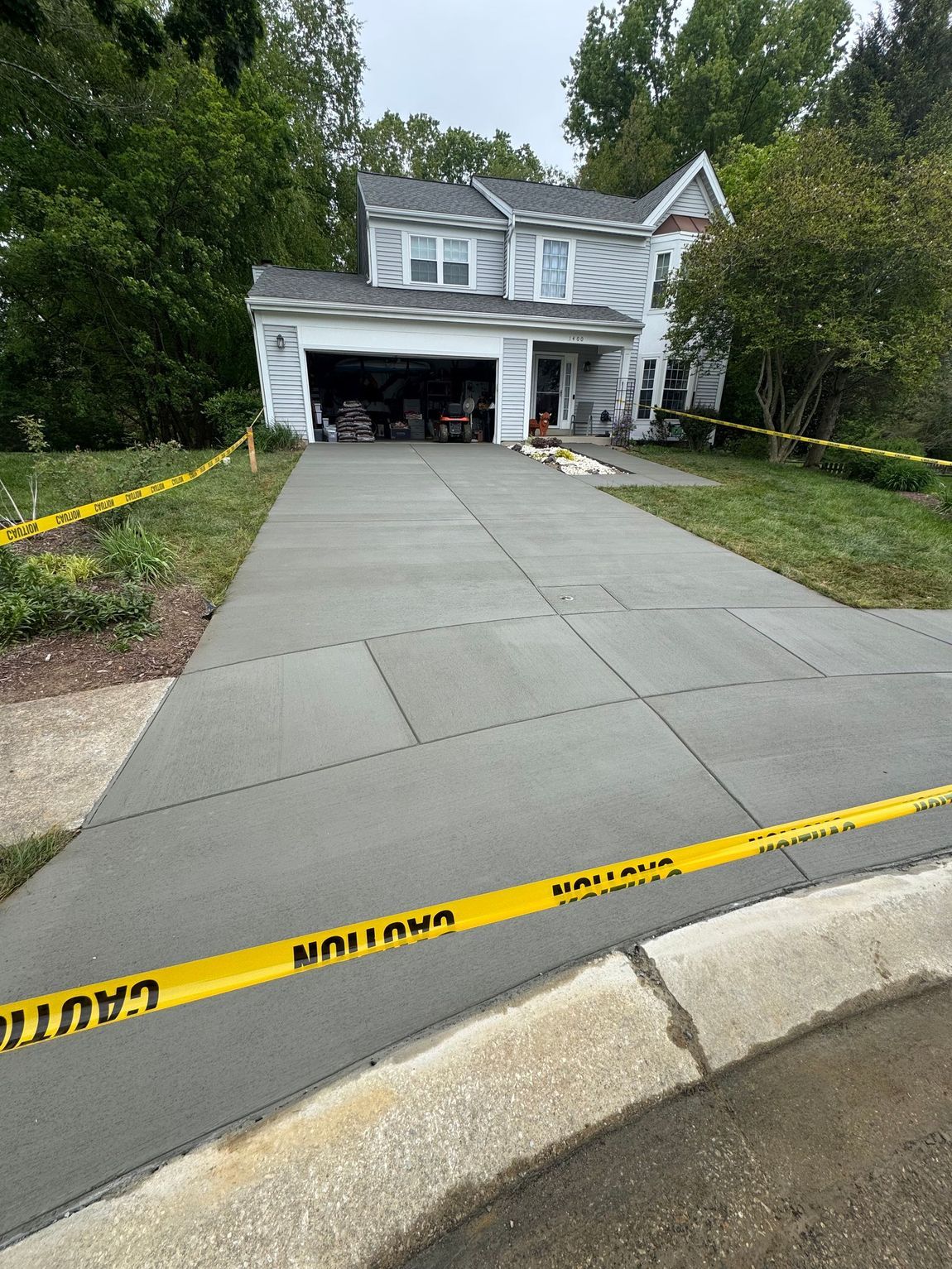
Learn how to compare concrete contractor estimates by evaluating materials, labor, project scope, timelines, warranties, and workmanship instead of choosing based on price alone.
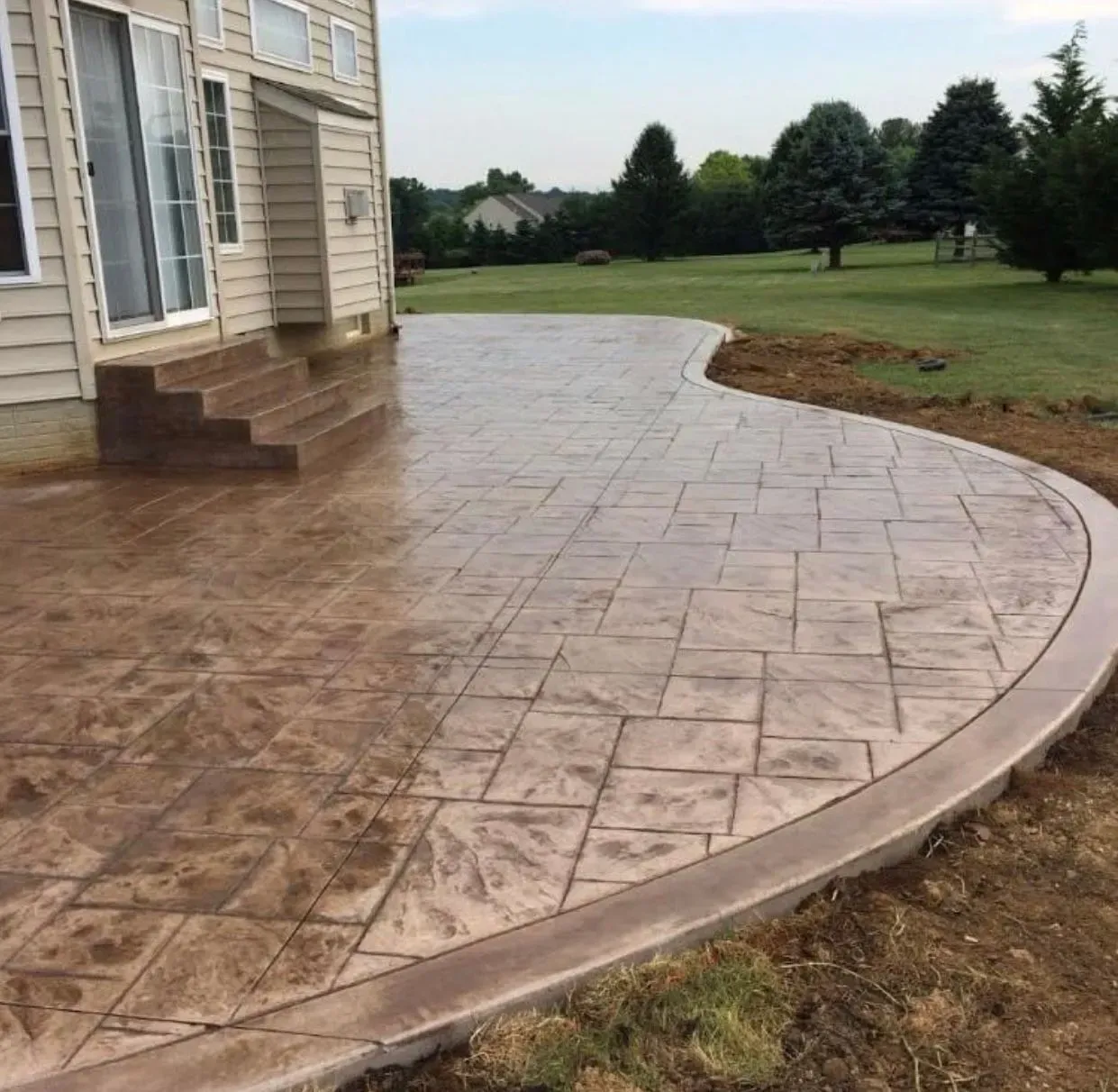
Discover what makes a concrete patio durable and long-lasting, from proper site preparation and quality materials to drainage, installation techniques, and ongoing maintenance.
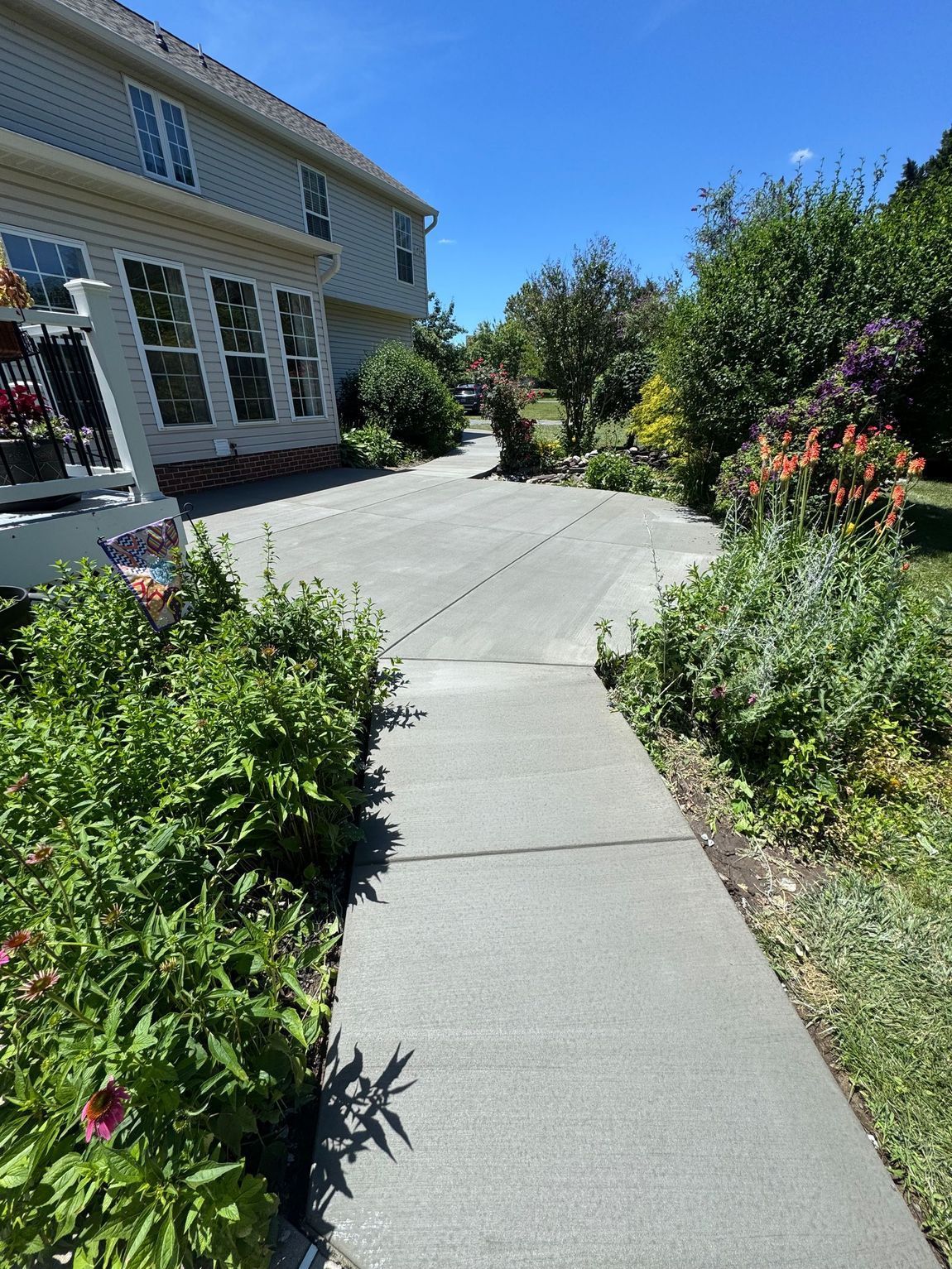
Planning a new concrete driveway? Discover what homeowners should know before installation, from site preparation and drainage to materials, costs, and choosing the right concrete driveway company near you.
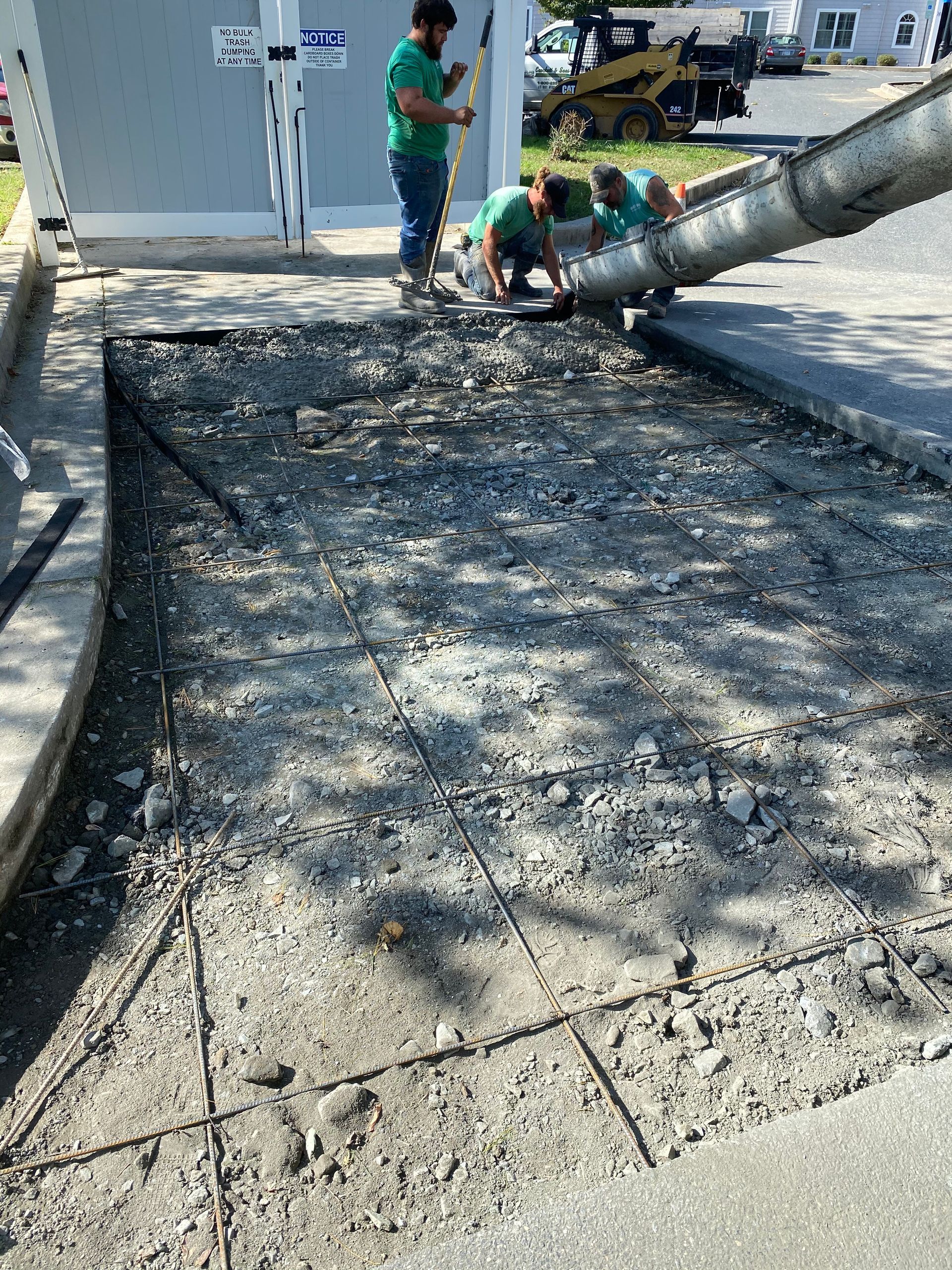
Discover the qualities that set reliable concrete contractors near me apart, including experience, workmanship, communication, transparent pricing, and dependable project results.
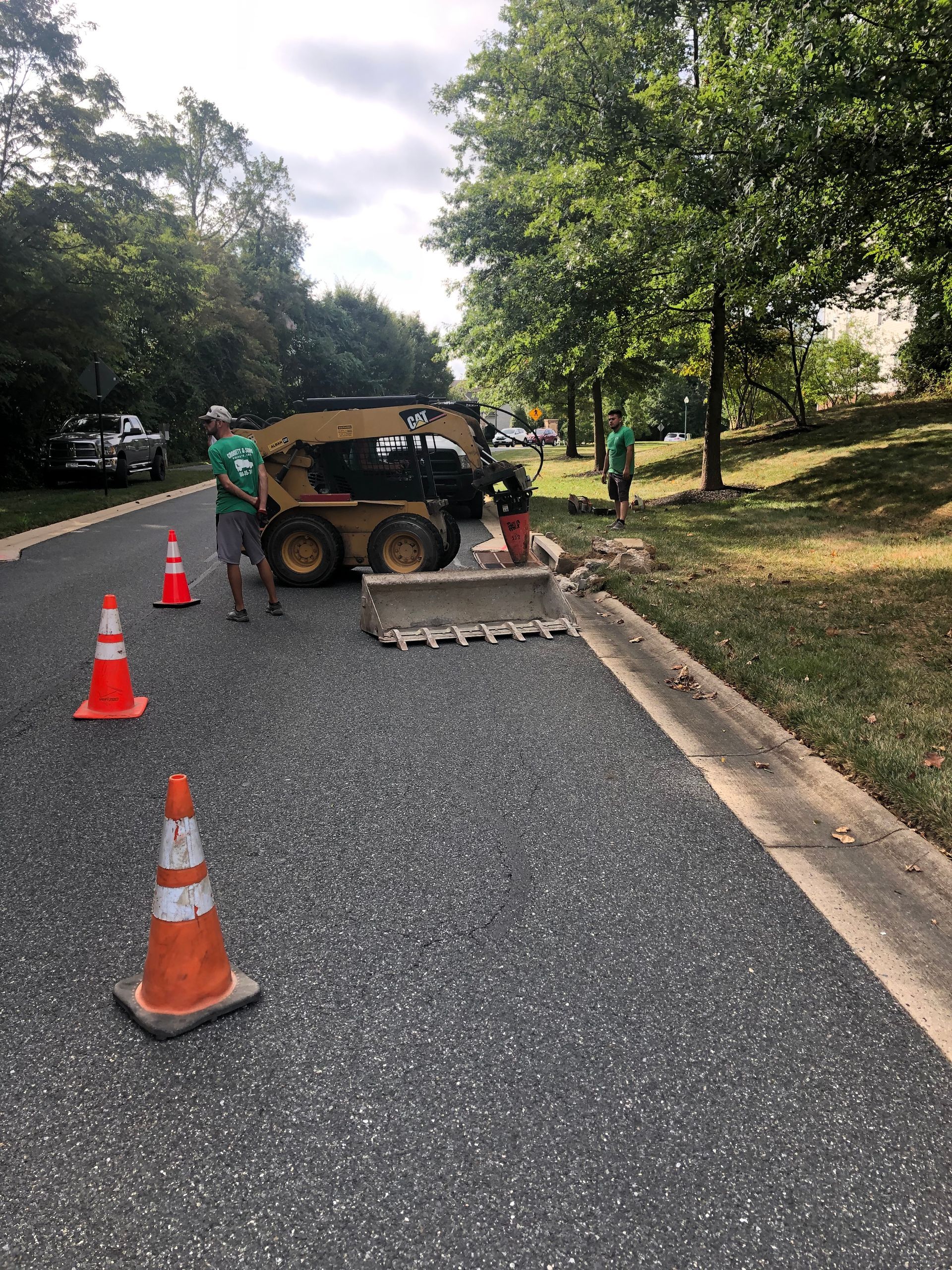
Learn what to consider when choosing a concrete contractor, from experience and services to project estimates, materials, timelines, and quality workmanship.
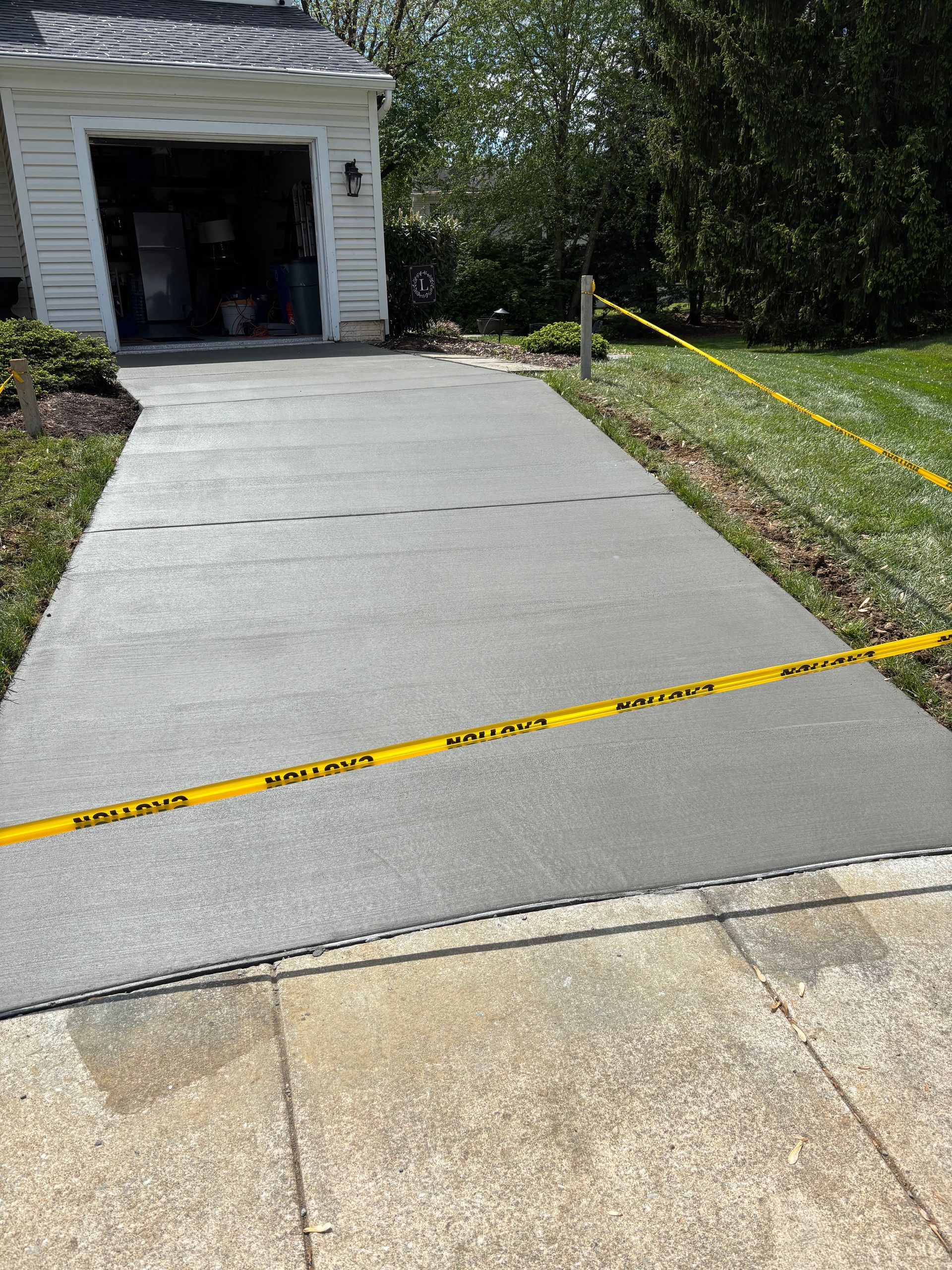
Discover practical commercial concrete maintenance tips and learn how experienced commercial concrete companies can help protect pavement, prevent costly damage, and extend its service life.
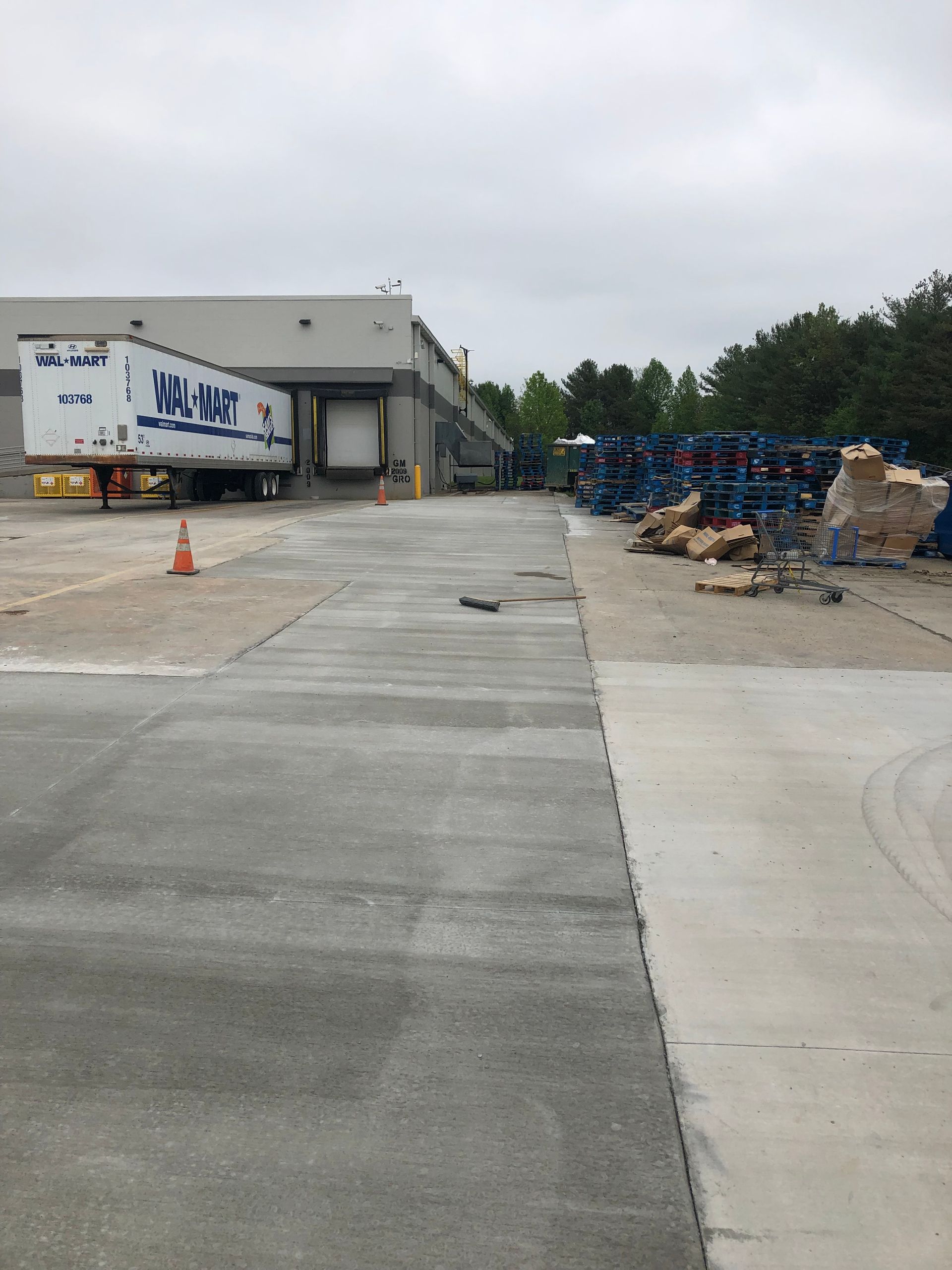
Discover the key features of a functional, stylish concrete patio and learn how experienced concrete patio contractors can create a durable outdoor space for relaxing and entertaining.
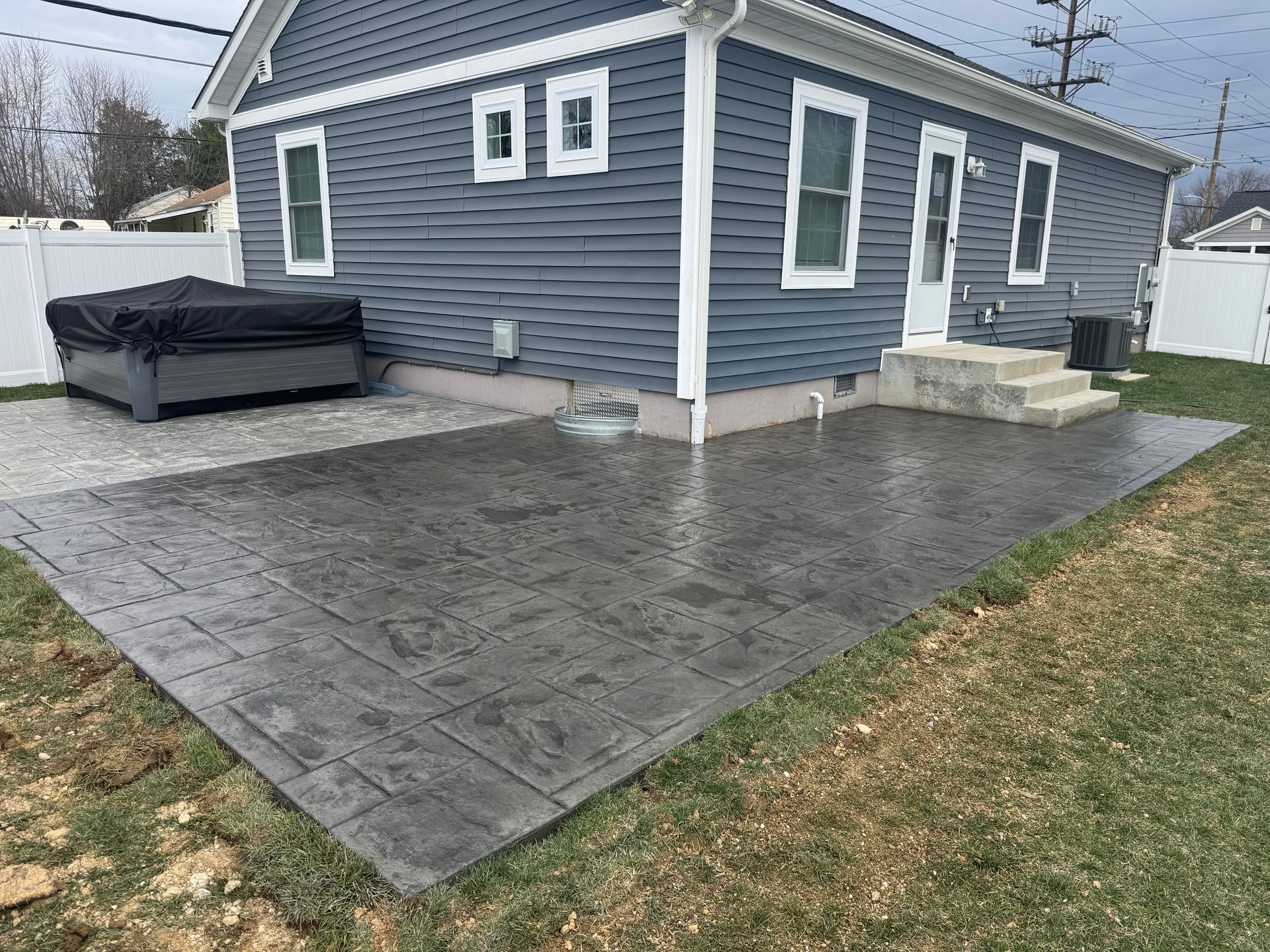
Learn what makes a durable, attractive patio with expert tips from experienced concrete patio contractors. Discover design, drainage and finish ideas.
Learn how long a concrete driveway lasts, what affects its lifespan, and maintenance tips from experienced concrete driveway contractors.