How To Clean Concrete
How to Clean Concrete: A Homeowner’s Step-by-Step Guide
Concrete driveways, patios, and walkways are built to last — but over time, dirt, algae, oil, and stains can make them look worn and neglected. The good news? With the right approach, most concrete surfaces can be cleaned safely and effectively.
This guide walks you through how to clean concrete properly, what tools to use, best to call a professional.
What You’ll Need to Clean Concrete
Before you start, gather the following:
Broom or stiff-bristle brush
Garden hose or pressure washer
Mild dish soap or concrete cleaner Bucket
Baking soda (for oil stains)
Protective gloves and eyewear
Avoid harsh acids unless recommended by a professional — they can damage the concrete surface.
Step 1: Remove Loose Dirt and Debris
Start by sweeping the area thoroughly. Removing loose dirt, leaves, and debris helps prevent scratches and allows cleaners to work more effectively.
For large areas like driveways, a leaf blower can save time.
Step 2: Rinse the Concrete Surface
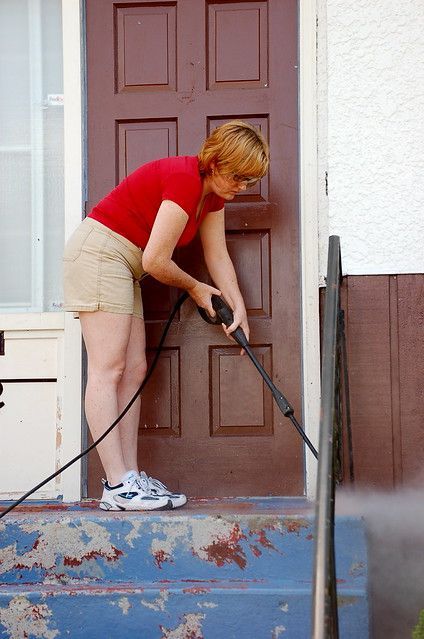
Use a garden hose or pressure washer to rinse the concrete. This removes surface dust and preps the concrete for deeper cleaning.
Pressure washer tip:
Use a fan-tip nozzle and keep the wand moving to avoid etching the surface. Do not get too close to the surface or you will remove the top layer of cement and expose the aggregate.
Step 3: Apply a Concrete Cleaner
Mix a mild detergent with warm water or use a cleaner designed specifically for concrete. Pour or spray it evenly across the surface.
Let the cleaner sit for 5–10 minutes, but don’t allow it to dry.
Step 4: Scrub Stained Areas
Use a stiff-bristle brush to scrub stains, especially in high-traffic areas.
Common Stain Solutions
Oil stains: Sprinkle baking soda or cat litter, let it sit, then scrub
Mold & algae: Use oxygen bleach (never mix chemicals)
Rust stains: Use a rust remover approved for concrete
Step 5: Rinse Thoroughly
Rinse the entire surface with clean water until all soap residue is gone. Leftover cleaner can attract dirt and cause streaking.
Repeat the process for stubborn stains if needed.
Step 6: Let the Concrete Dry Completely
Allow the concrete to air dry for at least 24 hours before placing furniture back or walking on the surface heavily.
Should You Pressure Wash Concrete?
Pressure washing can be effective — but it must be done correctly. When possible, a rotary pressure washer surface cleaner is recommended.
✔ Safe for:
Driveways
Sidewalks
Unsealed patios
⚠ Use caution on:
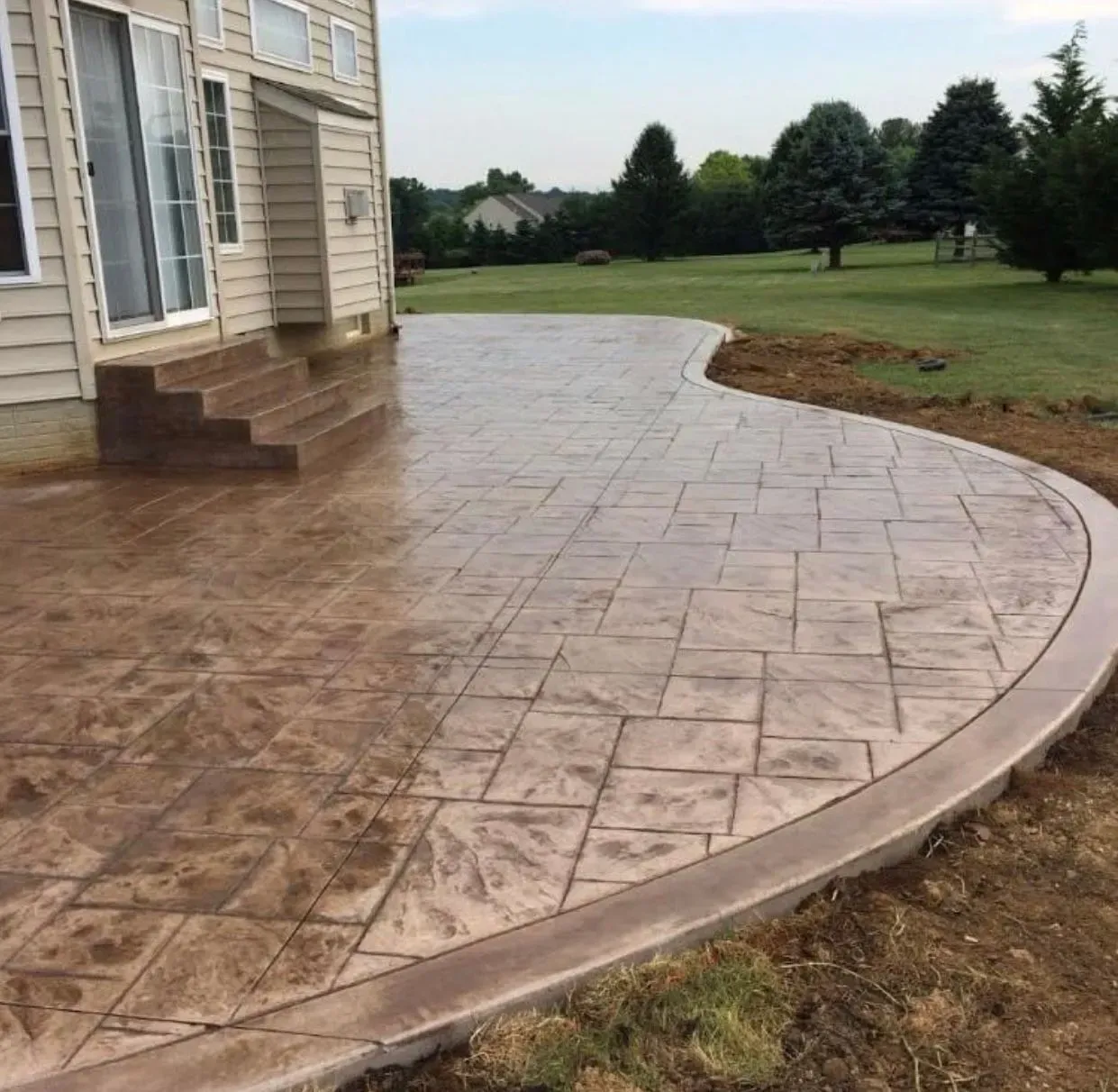
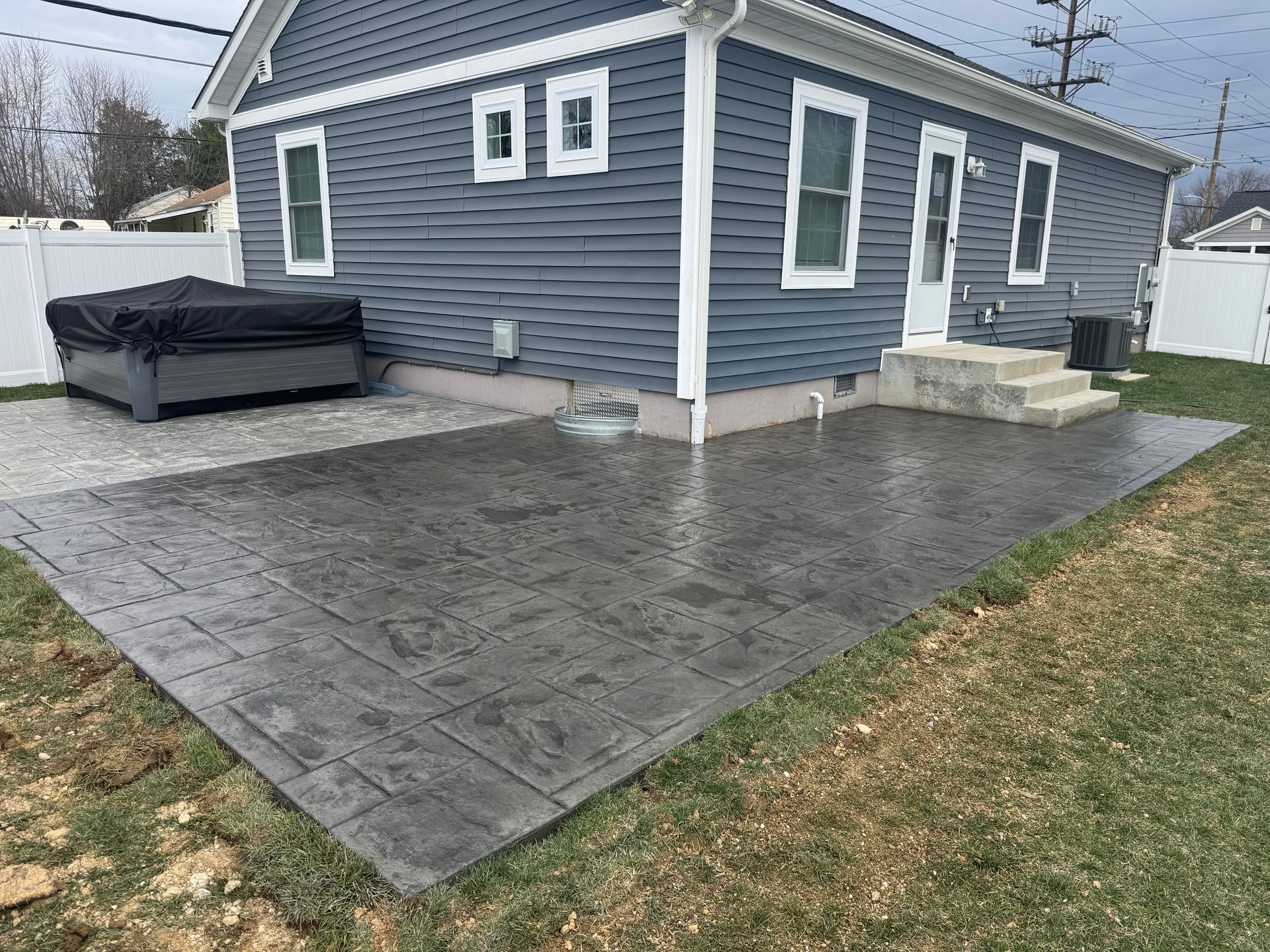
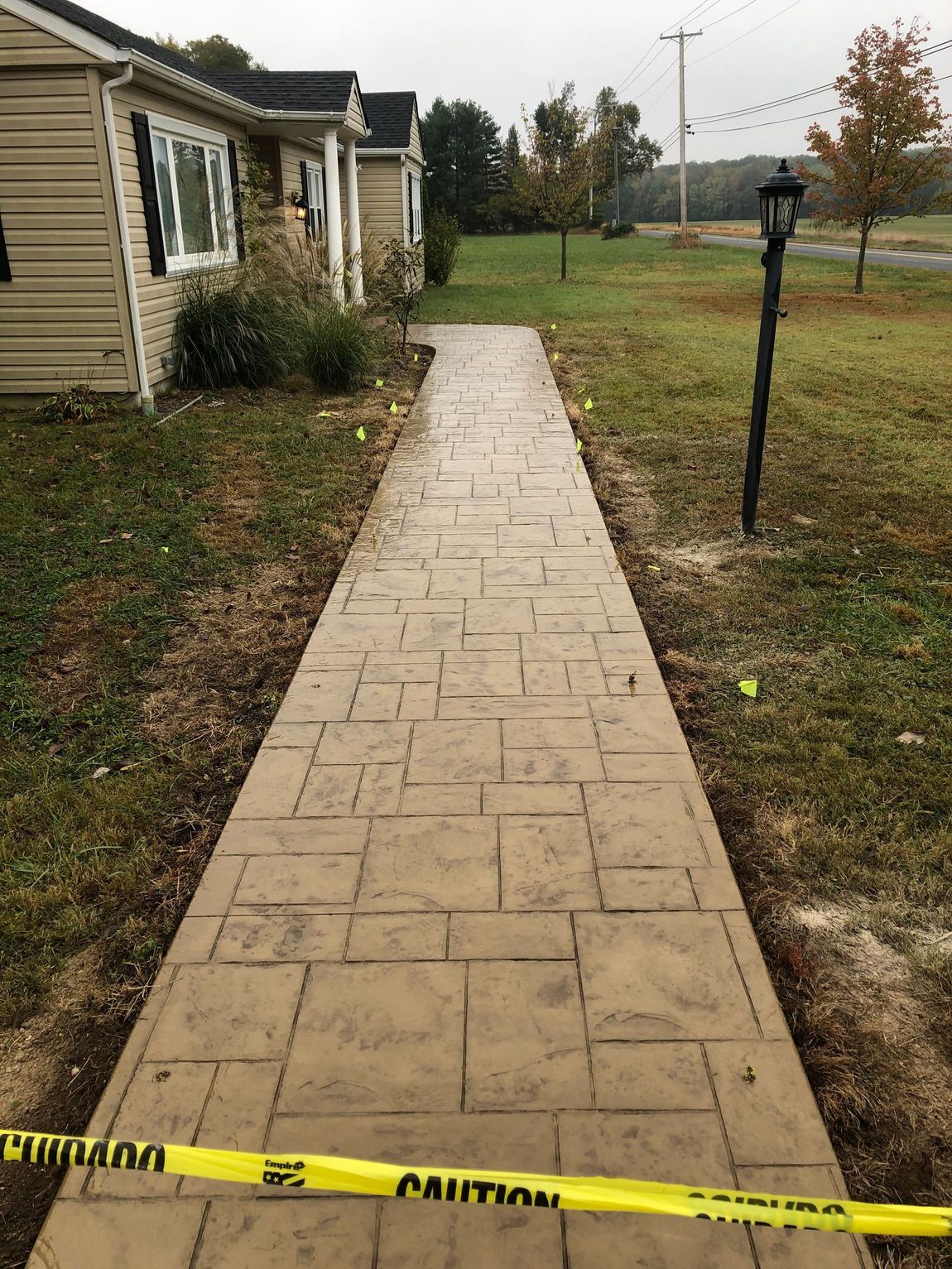
Decorative or stamped concrete
Older or cracked concrete
Using too much pressure can cause surface damage, exposing aggregate and weakening the slab.
Seal Your Concrete for Long-Term Protection
After cleaning, consider applying a concrete sealer. Sealing helps:
Prevent stains
Reduce moisture absorption
Extend the life of the concrete
Improve appearance
Most sealed concrete should be resealed every 2–3 years.
When to Call a Professional Concrete Contractor
DIY cleaning works for light buildup, but professional help is recommended if you notice:
Deep oil or grease stains
Heavy algae or mold growth
Flaking or surface damage
Decorative or stamped concrete that needs special care
A professional can clean without damaging the concrete and recommend repairs if needed.
At Crockett & Sons Concrete, Inc., we want to help homeowners protect their investment with expert concrete care, cleaning guidance, and repairs.
We proudly serve:
All of Cecil and Harford County, MD as well as Chester County, PA
📞 Contact us today for a free estimate or concrete evaluation