Decorative Stamped Concrete
John Crockett • January 20, 2026
Decorative Stamped Concrete: Benefits, Styles, and Installation Guide
Decorative stamped concrete is one of the most popular choices for homeowners and businesses looking to enhance outdoor and indoor spaces with the look of natural materials—without the high cost or maintenance. At Crockett & Sons Concrete, Inc., we specialize in high-quality decorative stamped concrete solutions designed to elevate the appearance and value of your property. From patios and driveways to walkways and pool decks, stamped concrete offers durability, design flexibility, and long-term value.
In this guide, we’ll explain what decorative stamped concrete is, its benefits, popular patterns and finishes, and why it’s a smart investment for your property.
What Is Decorative Stamped Concrete?
Decorative stamped concrete is concrete that is poured, textured, and colored to resemble materials such as stone, brick, slate, tile, or even wood. While the concrete is still wet, contractors use specialized stamps and tools to create realistic patterns and textures. Color hardeners, integral pigments, and stains are often added to enhance the finished look.
The result is a surface that delivers the beauty of high-end materials with the strength and affordability of concrete.
Benefits of Decorative Stamped Concrete
1. Cost-Effective Alternative to Natural Materials
Stamped concrete provides the appearance of stone, pavers, or brick at a fraction of the cost. Installation is faster and less labor-intensive than laying individual materials, which helps reduce overall expenses.
2. Exceptional Durability
Concrete is known for its strength and longevity. When properly installed and sealed, stamped concrete can withstand heavy foot traffic, vehicle loads, and harsh weather conditions for decades.
3. Low Maintenance
Unlike pavers or natural stone, stamped concrete has fewer joints where weeds can grow. Routine maintenance typically involves occasional cleaning and resealing every few years to maintain color and protect the surface.
4. Endless Design Options
Stamped concrete offers a wide range of patterns, textures, and color combinations. Whether you prefer a rustic stone look or a modern slate design, stamped concrete can be customized to match your style and property.
5. Increased Property Value
Decorative concrete upgrades improve curb appeal and outdoor living spaces, making your home or commercial property more attractive to buyers.
Popular Stamped Concrete Patterns and Styles
Some of the most requested decorative stamped concrete designs include:
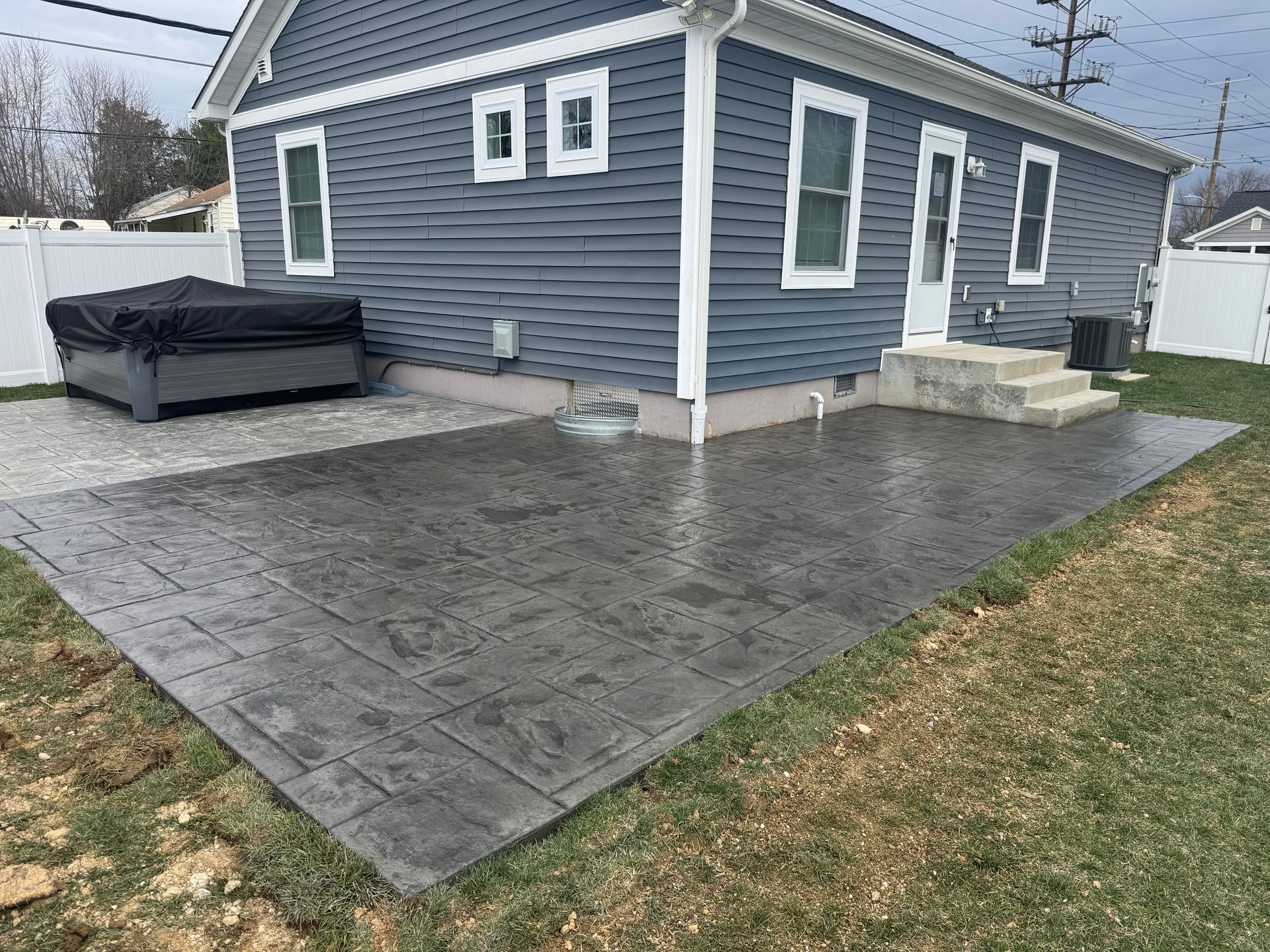
Ashlar Slate – Clean, modern lines perfect for patios and pool decks
Stamped Brick – Classic look ideal for walkways and driveways
Flagstone – Natural stone appearance with irregular textures
Wood Plank Concrete – The warmth of wood without rot or warping
Cobblestone – Old-world charm for driveways and entrances
Color options range from natural earth tones to bold contemporary hues, often finished with antique or accent coloring for depth and realism.
Where Decorative Stamped Concrete Works Best
Stamped concrete is versatile and suitable for many applications, including:
Patios and outdoor living areas
Driveways and parking areas
Walkways and sidewalks
Pool decks
Entryways and porches
Commercial spaces and storefronts
Its slip-resistant finishes also make it a safe choice for pool areas and high-traffic zones.
The Stamped Concrete Installation Process
A professional stamped concrete installation typically includes:
Site preparation and grading
Forming and reinforcement
Pouring and coloring the concrete
Stamping the pattern while the concrete is workable
Curing and sealing the surface
Proper installation is essential for long-lasting results, which is why hiring an experienced concrete contractor is critical.
Why Choose Decorative Stamped Concrete?
Decorative stamped concrete combines beauty, durability, and value into one solution. It’s an excellent choice for property owners who want a custom look without ongoing maintenance headaches. With the right design and professional installation, stamped concrete can completely transform your outdoor and indoor spaces.
Ready to Upgrade Your Concrete with Crockett & Sons Concrete, Inc.?
If you’re considering decorative stamped concrete for your home or business, working with a skilled concrete contractor ensures quality craftsmanship and lasting results. Crockett & Sons Concrete, Inc.
brings years of experience, attention to detail, and professional installation to every stamped concrete project. Contact Crockett & Sons Concrete, Inc. today to explore design options and receive a personalized estimate for your stamped concrete patio, driveway, or walkway.
Searching for concrete contractors near me? Learn what to check before hiring, including experience, project estimates, materials, workmanship, timelines, and customer reviews.
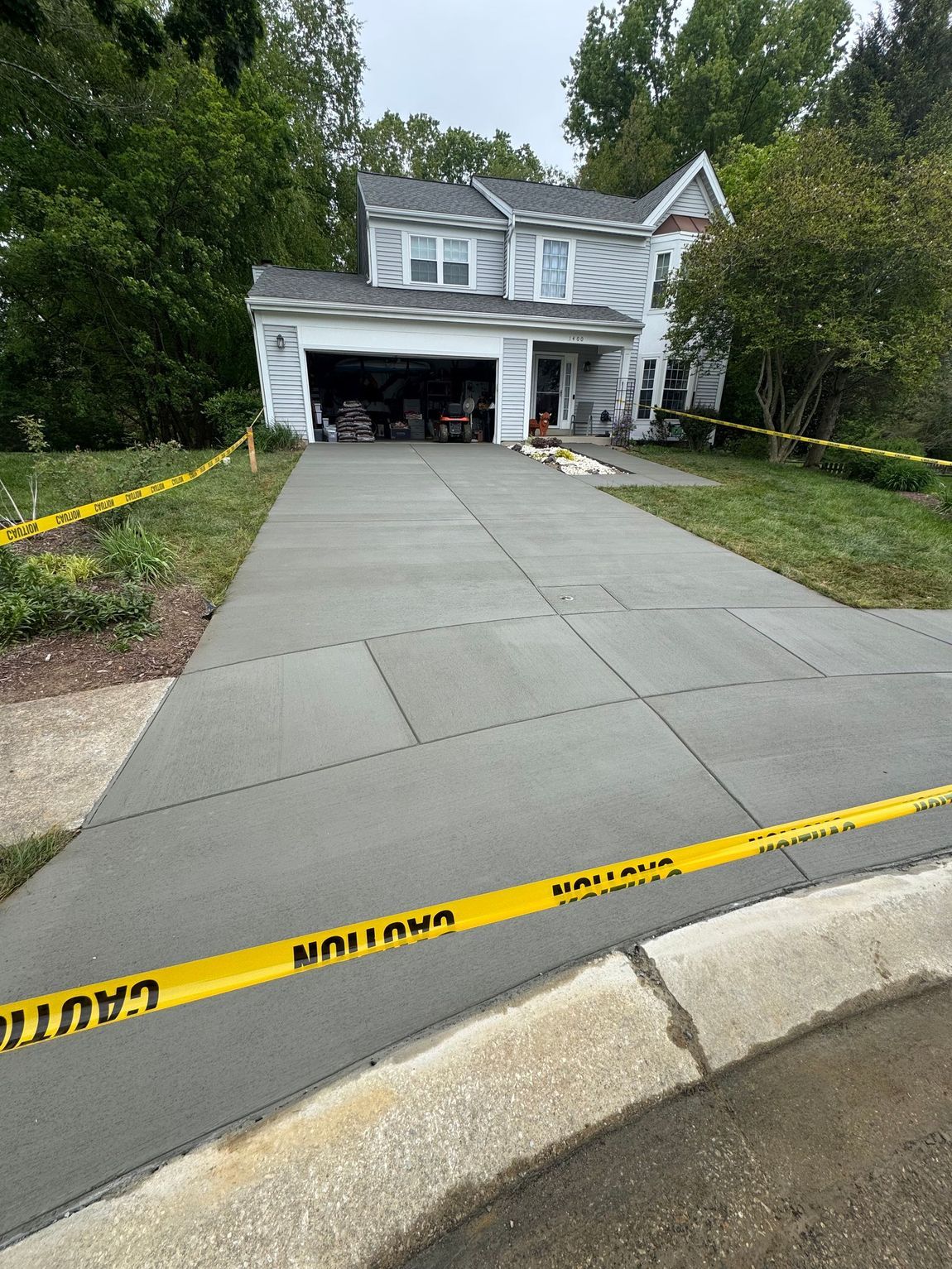
Learn how to compare concrete contractor estimates by evaluating materials, labor, project scope, timelines, warranties, and workmanship instead of choosing based on price alone.
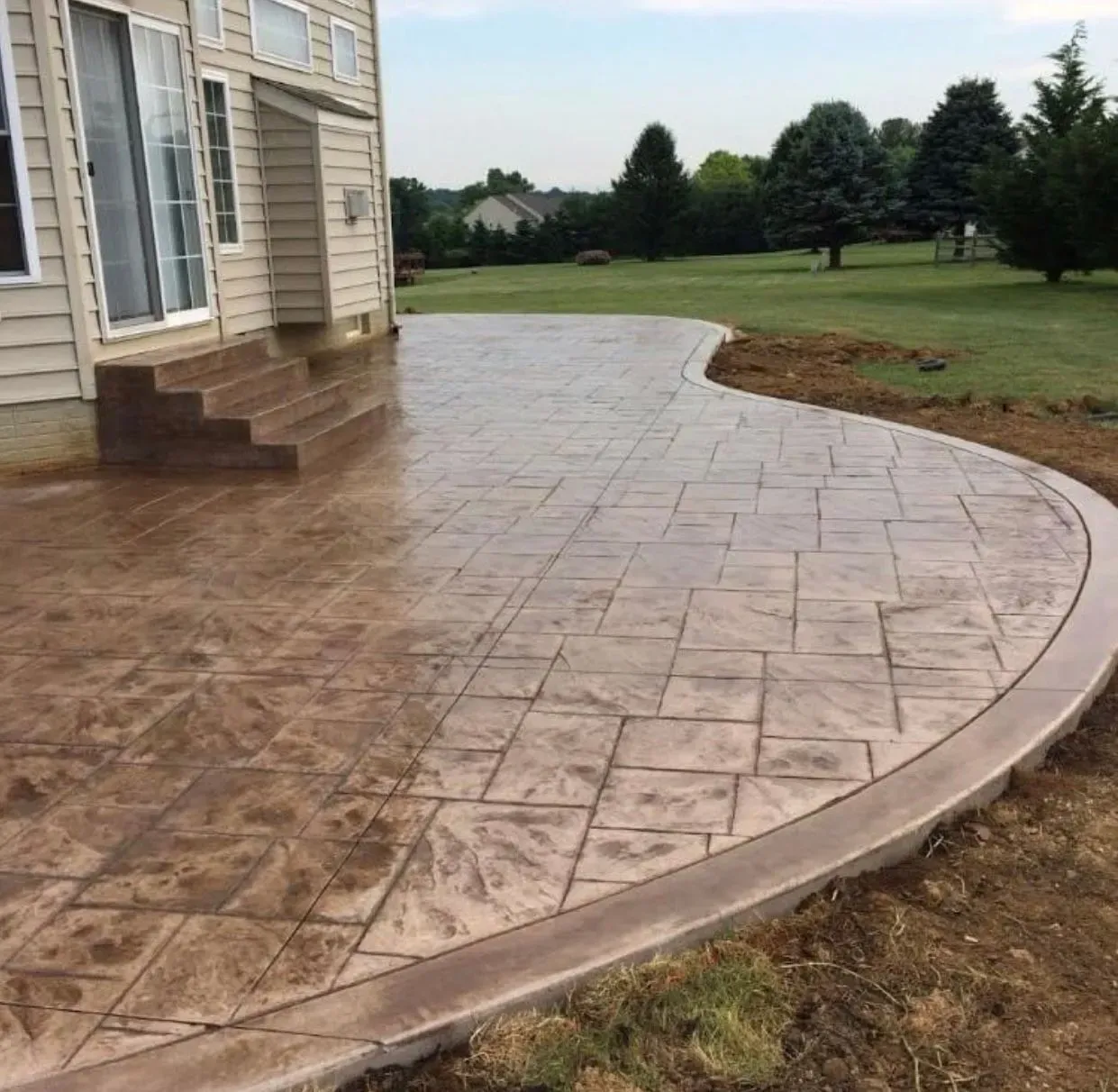
Discover what makes a concrete patio durable and long-lasting, from proper site preparation and quality materials to drainage, installation techniques, and ongoing maintenance.
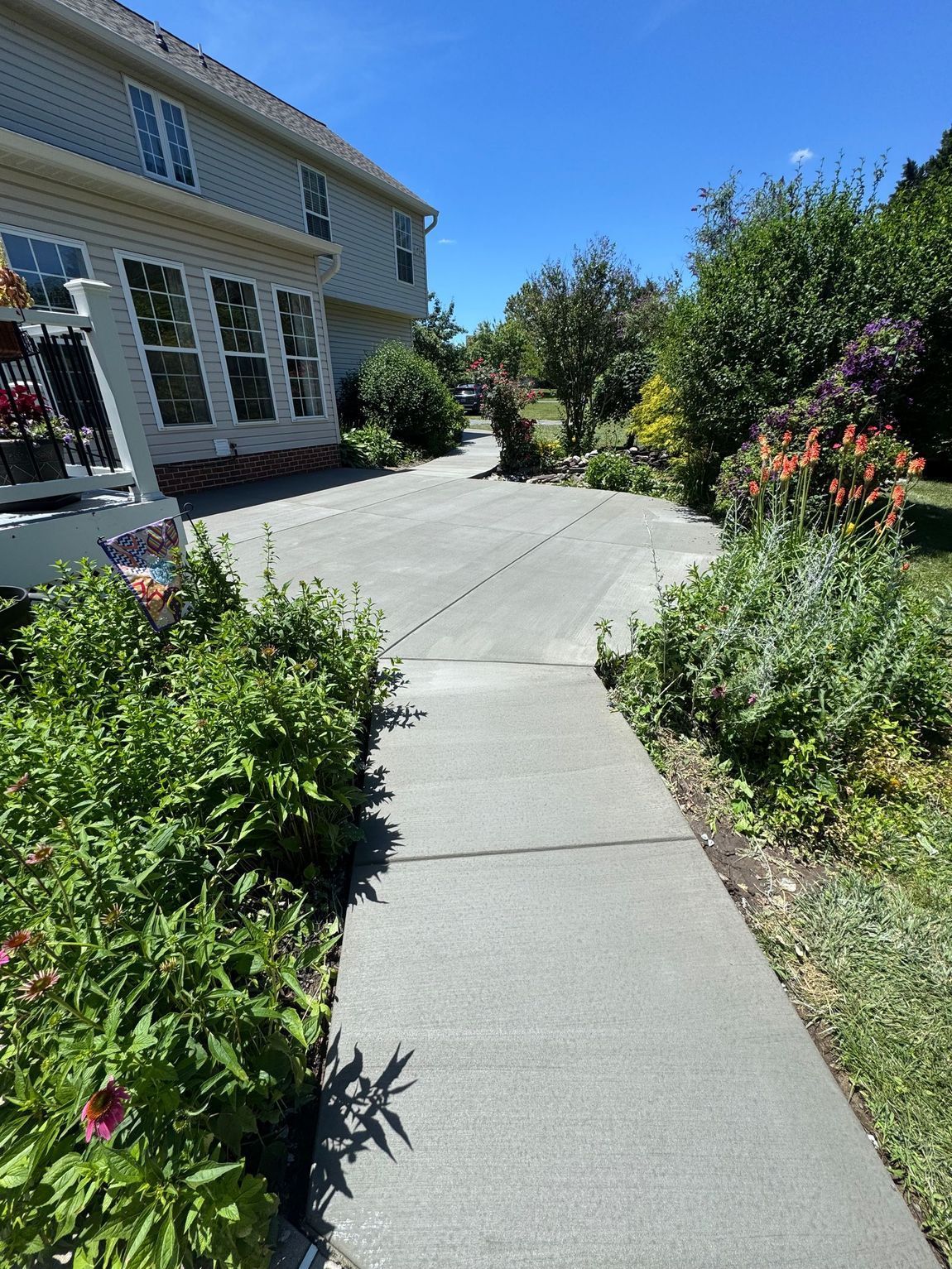
Planning a new concrete driveway? Discover what homeowners should know before installation, from site preparation and drainage to materials, costs, and choosing the right concrete driveway company near you.
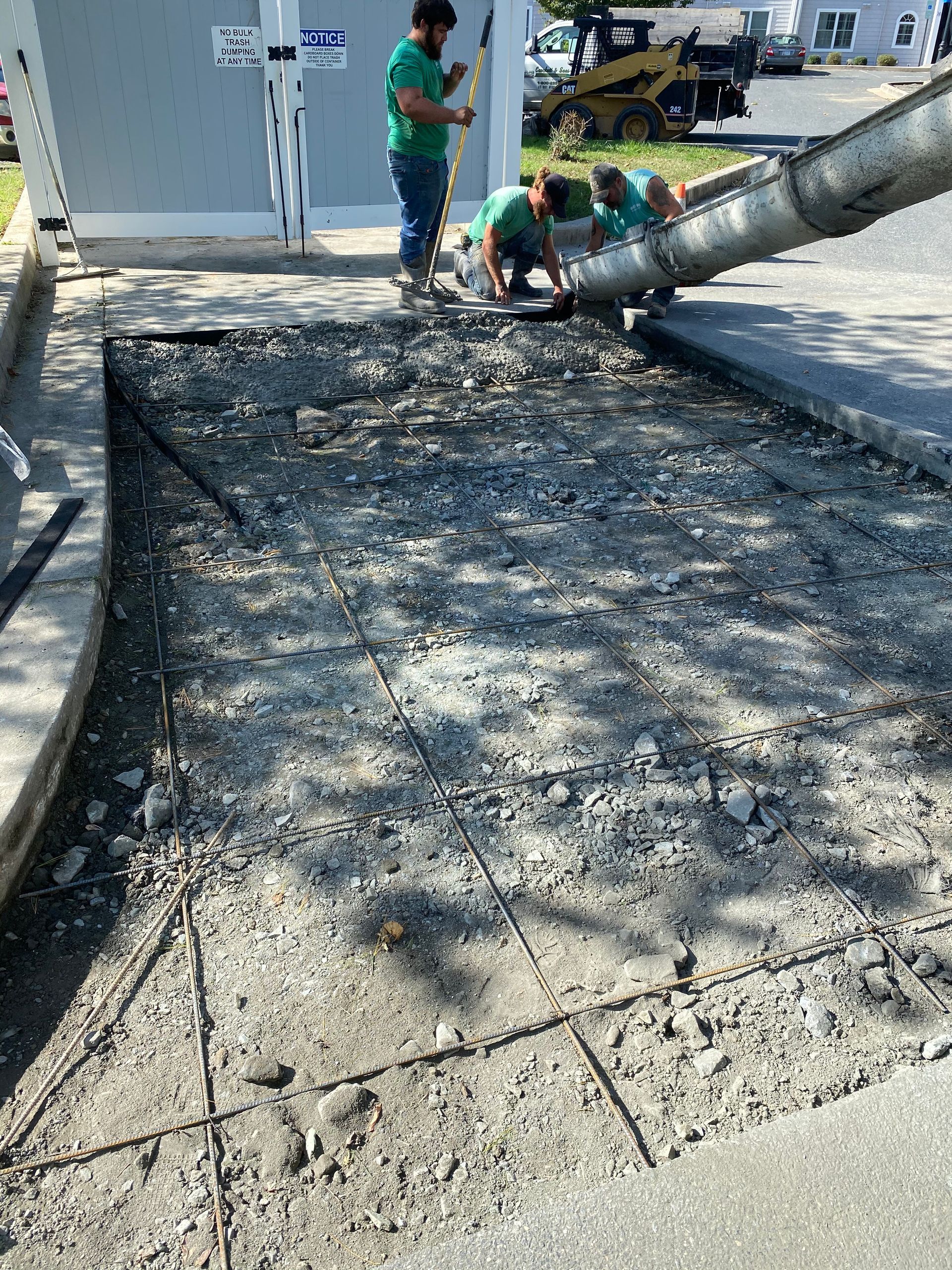
Discover the qualities that set reliable concrete contractors near me apart, including experience, workmanship, communication, transparent pricing, and dependable project results.
Learn what to consider when choosing a concrete contractor, from experience and services to project estimates, materials, timelines, and quality workmanship.
Discover practical commercial concrete maintenance tips and learn how experienced commercial concrete companies can help protect pavement, prevent costly damage, and extend its service life.

Discover the key features of a functional, stylish concrete patio and learn how experienced concrete patio contractors can create a durable outdoor space for relaxing and entertaining.
Learn what makes a durable, attractive patio with expert tips from experienced concrete patio contractors. Discover design, drainage and finish ideas.
Learn how long a concrete driveway lasts, what affects its lifespan, and maintenance tips from experienced concrete driveway contractors.