Types of Concrete Cracks
John Crockett • February 12, 2026
Types of Concrete Cracks and How to Repair Them in Harford County, Cecil County, and Chester County
Concrete is one of the most durable building materials, but over time cracks can develop due to settling, temperature changes, moisture, or heavy loads. Understanding the different types of concrete cracks and the proper repair methods helps homeowners and businesses protect their driveways, patios, sidewalks, and foundations throughout Harford County MD, Cecil County MD, and Chester County PA.
Hairline Concrete Cracks
Hairline cracks are thin surface cracks that often occur during curing or minor temperature changes. These cracks are usually cosmetic but should still be sealed to prevent water intrusion.
Repair Options
• Clean the crack thoroughly
• Apply concrete crack filler or sealant
• Seal the concrete surface to prevent moisture damage
Shrinkage Cracks
Shrinkage cracks occur when concrete dries too quickly after installation. They often appear in straight lines and may develop in newly poured slabs.
Repair Options
• Apply polymer-modified crack filler
• Resurface the slab if multiple cracks are present
• Seal the surface for long-term protection
Settlement Cracks
Settlement cracks develop when the ground beneath the concrete shifts or compacts unevenly. These cracks can widen over time and may cause uneven slabs.
Repair Options
• Slab leveling or mudjacking
• Structural crack filling with epoxy
• Sealing to prevent further movement and water penetration
Structural Concrete Cracks
Structural cracks are wider than 1/4 inch and may indicate foundation or load-bearing issues. These cracks require professional evaluation.
Repair Options
• Structural epoxy injection
• Reinforcement or stabilization
• Foundation repair when necessary
Freeze-Thaw Concrete Cracks
In Maryland and Pennsylvania climates, water can enter small cracks, freeze, and expand, causing the damage to worsen each winter.
Repair Options
• Clean and prepare the damaged area
• Apply flexible polyurethane crack filler
• Seal the entire surface with weather-resistant concrete sealer
When Concrete Removal and Replacement Is the Best Option
In some cases, crack repair alone is not sufficient. When concrete is severely cracked, sinking, structurally compromised, or has widespread deterioration, removal and replacement of the affected section is often the most reliable long-term solution. Replacing damaged slabs restores stability, improves appearance, and prevents recurring repairs that may cost more over time. A professional contractor can determine whether crack repair, leveling, or full replacement is the best option for your driveway, patio, sidewalk, or foundation.
Professional Concrete Crack Repair in Harford County, Cecil County, and Chester County
Whether you need driveway crack repair, patio restoration, sidewalk repair, or foundation crack repair, working with an experienced local contractor ensures proper diagnosis and long-lasting results. Early repairs help prevent water damage, structural issues, and costly replacements later.
post
Concrete is one of the most durable building materials, but over time cracks can develop due to settling, temperature changes, moisture, or heavy loads. Understanding the different types of concrete cracks and the proper repair methods helps homeowners and businesses protect their driveways, patios, sidewalks, and foundations throughout Harford County MD, Cecil County MD, and Chester County PA.
Hairline Concrete Cracks
Hairline cracks are thin surface cracks that often occur during curing or minor temperature changes. These cracks are usually cosmetic but should still be sealed to prevent water intrusion.
Repair Options
• Clean the crack thoroughly
• Apply concrete crack filler or sealant
• Seal the concrete surface to prevent moisture damage
Shrinkage Cracks
Shrinkage cracks occur when concrete dries too quickly after installation. They often appear in straight lines and may develop in newly poured slabs.
Repair Options
• Apply polymer-modified crack filler
• Resurface the slab if multiple cracks are present
• Seal the surface for long-term protection
Settlement Cracks
Settlement cracks develop when the ground beneath the concrete shifts or compacts unevenly. These cracks can widen over time and may cause uneven slabs.
Repair Options
• Slab leveling or mudjacking
• Structural crack filling with epoxy
• Sealing to prevent further movement and water penetration
Structural Concrete Cracks
Structural cracks are wider than 1/4 inch and may indicate foundation or load-bearing issues. These cracks require professional evaluation.
Repair Options
• Structural epoxy injection
• Reinforcement or stabilization
• Foundation repair when necessary
Freeze-Thaw Concrete Cracks
In Maryland and Pennsylvania climates, water can enter small cracks, freeze, and expand, causing the damage to worsen each winter.
Repair Options
• Clean and prepare the damaged area
• Apply flexible polyurethane crack filler
• Seal the entire surface with weather-resistant concrete sealer
When Concrete Removal and Replacement Is the Best Option
In some cases, crack repair alone is not sufficient. When concrete is severely cracked, sinking, structurally compromised, or has widespread deterioration, removal and replacement of the affected section is often the most reliable long-term solution. Replacing damaged slabs restores stability, improves appearance, and prevents recurring repairs that may cost more over time. A professional contractor can determine whether crack repair, leveling, or full replacement is the best option for your driveway, patio, sidewalk, or foundation.
Professional Concrete Crack Repair in Harford County, Cecil County, and Chester County
Whether you need driveway crack repair, patio restoration, sidewalk repair, or foundation crack repair, working with an experienced local contractor ensures proper diagnosis and long-lasting results. Early repairs help prevent water damage, structural issues, and costly replacements later.
post
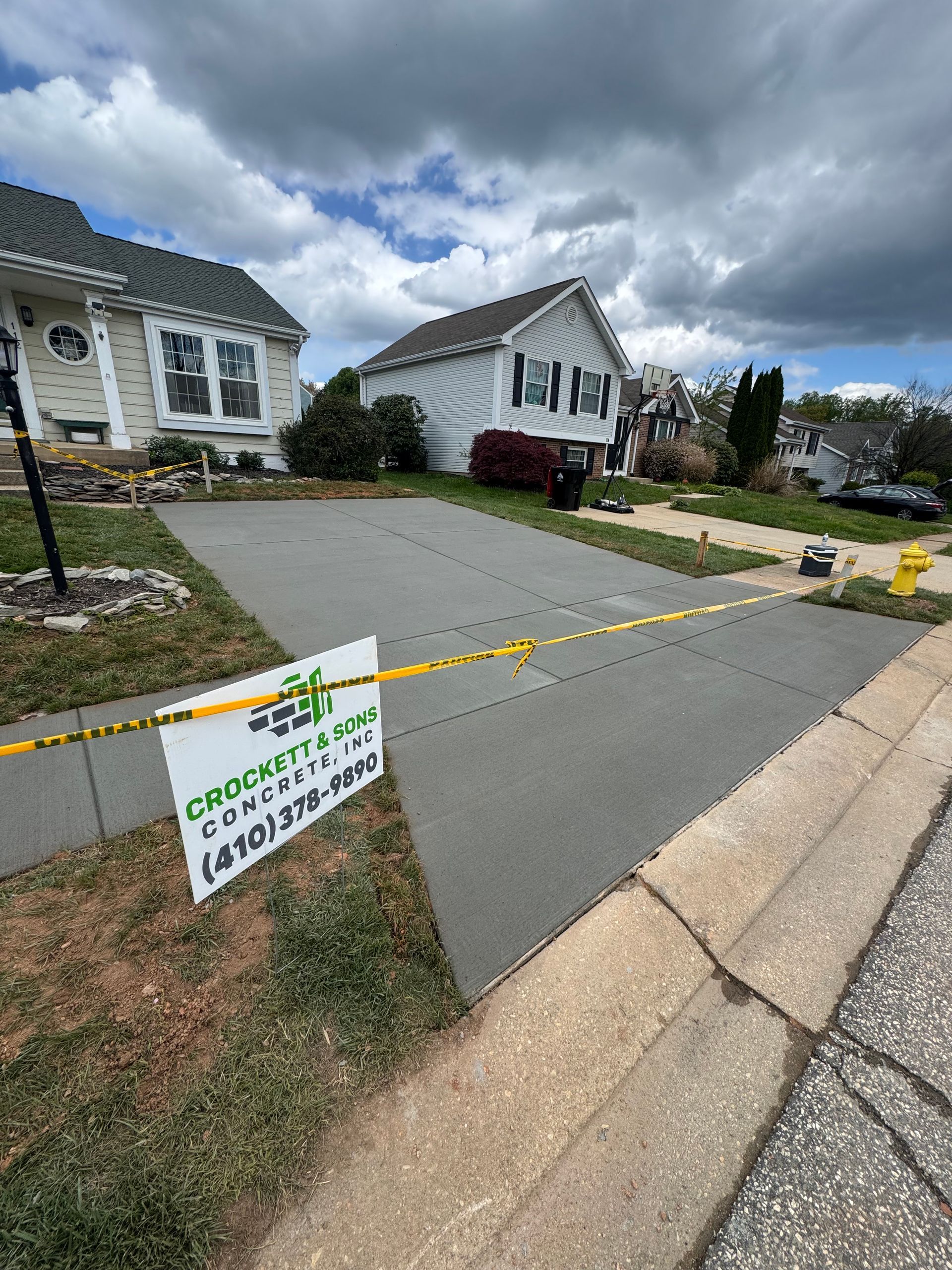
Searching for concrete contractors near me? Learn what to check before hiring, including experience, project estimates, materials, workmanship, timelines, and customer reviews.
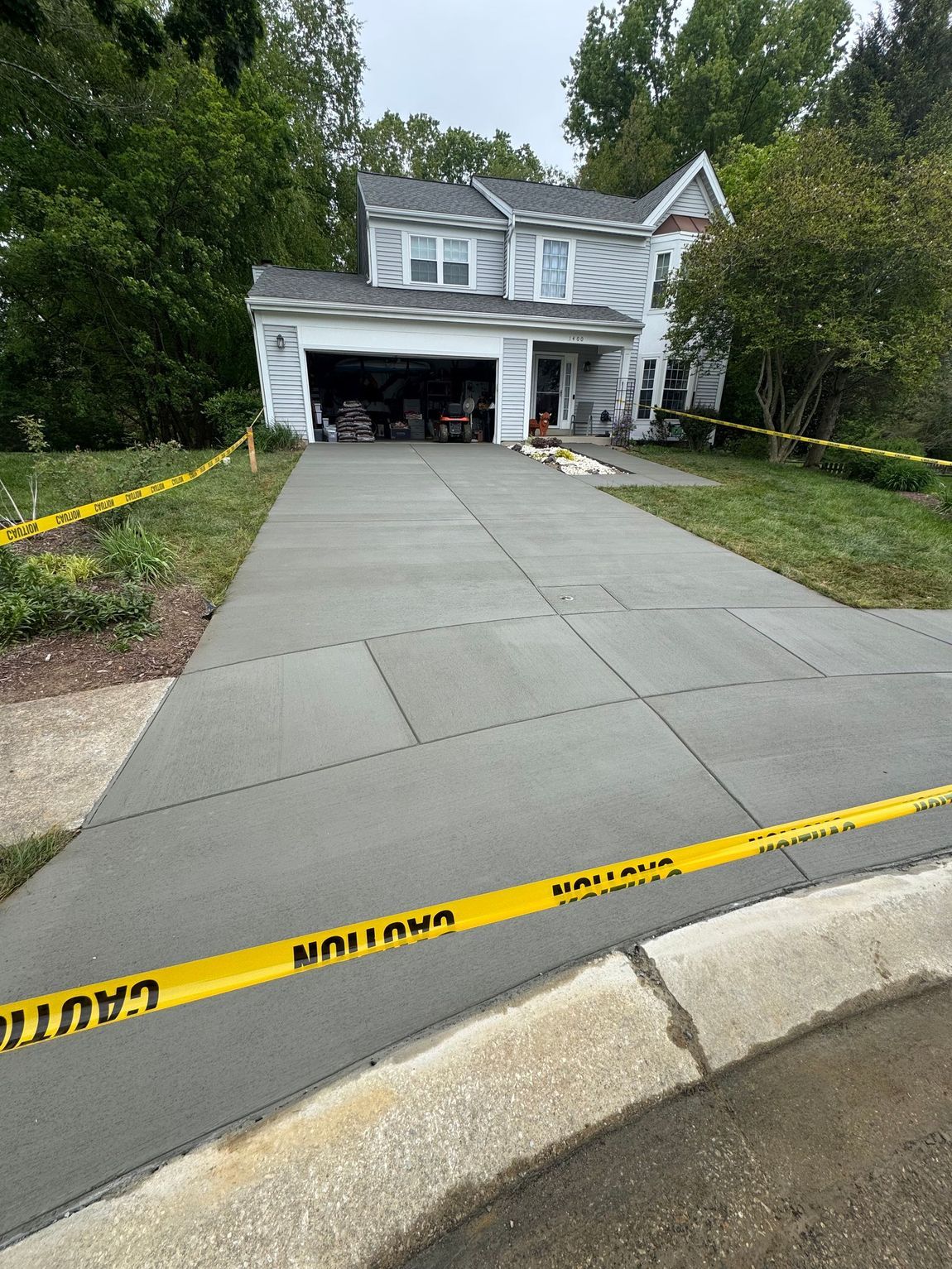
Learn how to compare concrete contractor estimates by evaluating materials, labor, project scope, timelines, warranties, and workmanship instead of choosing based on price alone.
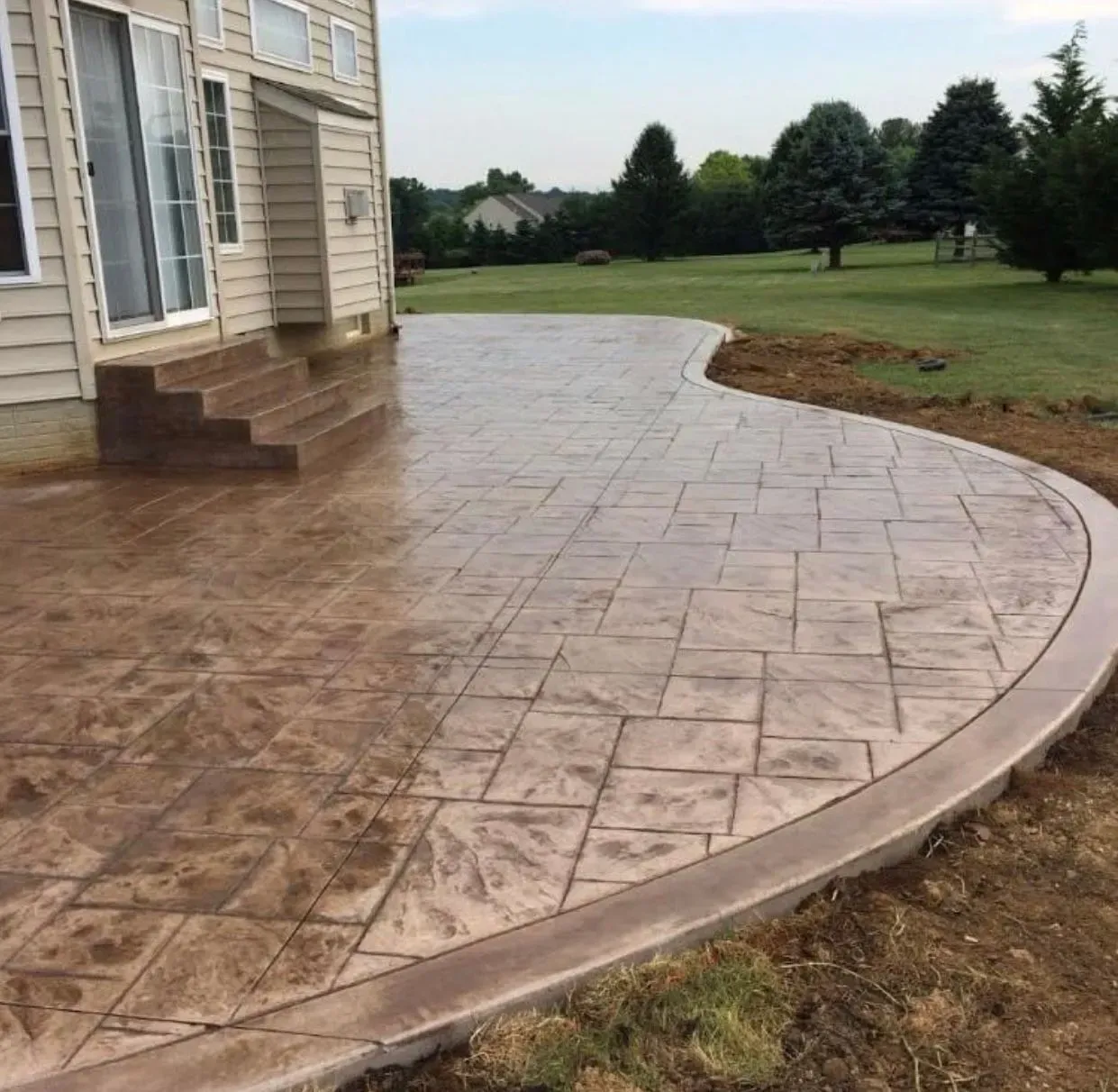
Discover what makes a concrete patio durable and long-lasting, from proper site preparation and quality materials to drainage, installation techniques, and ongoing maintenance.
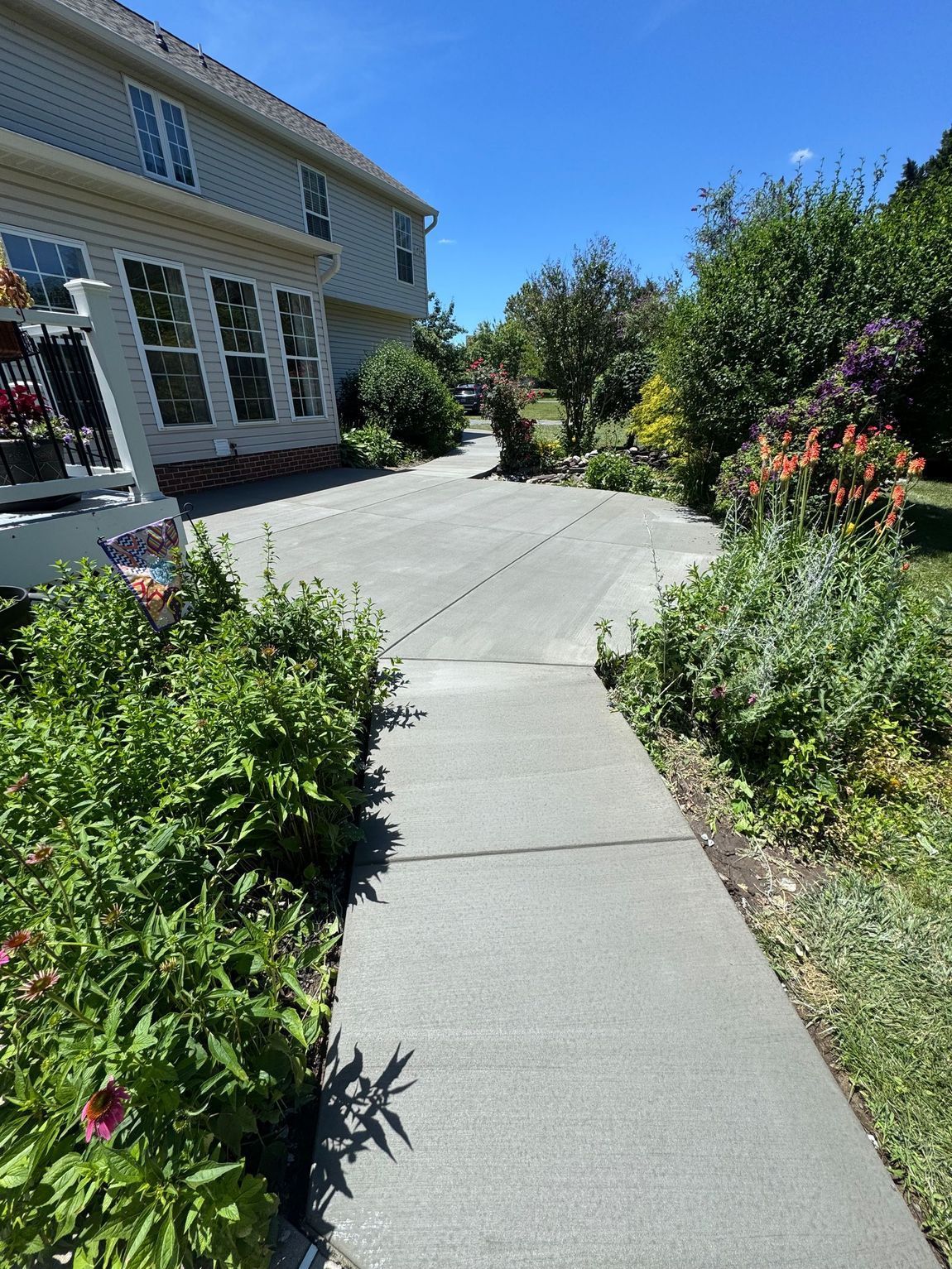
Planning a new concrete driveway? Discover what homeowners should know before installation, from site preparation and drainage to materials, costs, and choosing the right concrete driveway company near you.
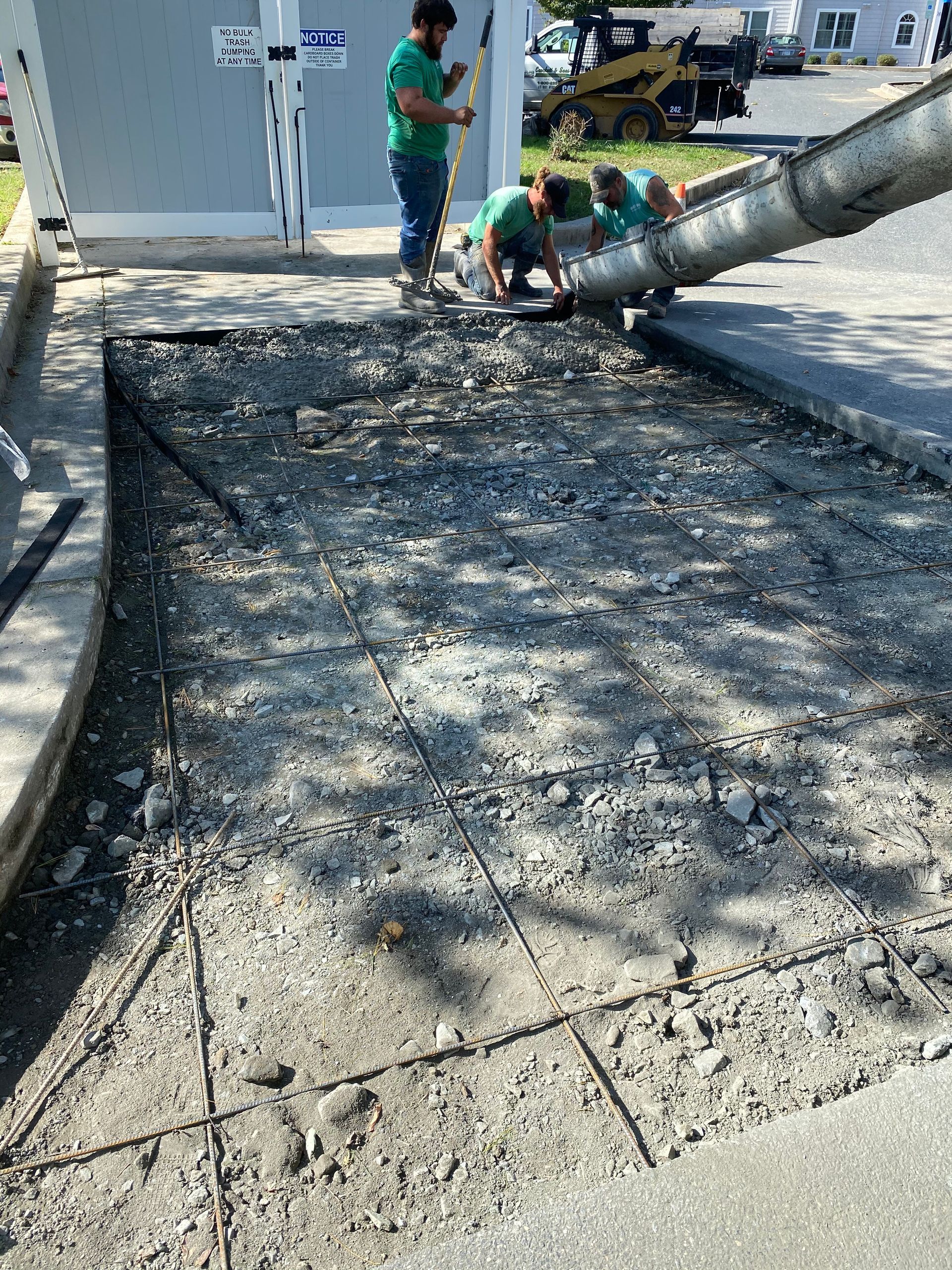
Discover the qualities that set reliable concrete contractors near me apart, including experience, workmanship, communication, transparent pricing, and dependable project results.
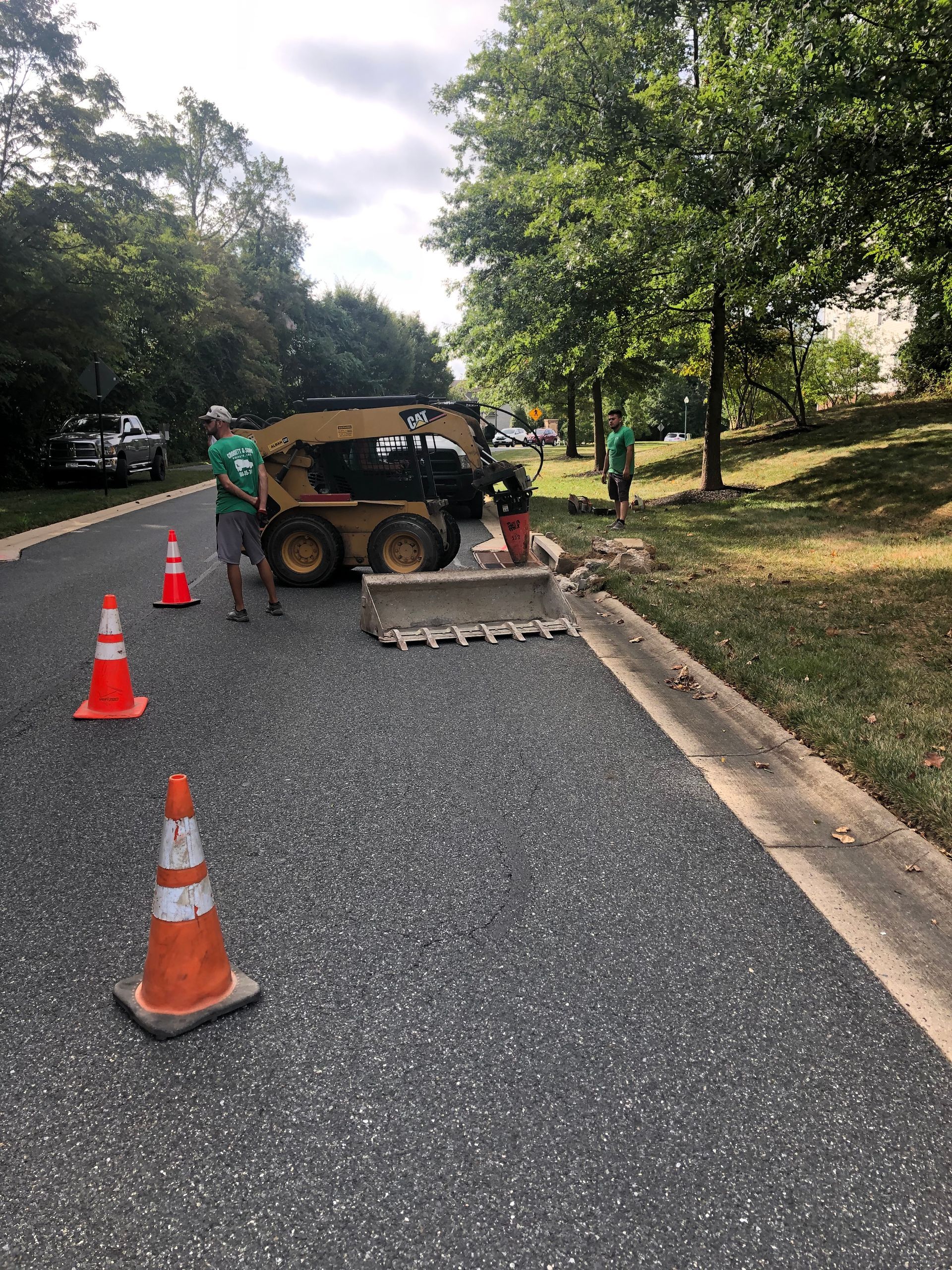
Learn what to consider when choosing a concrete contractor, from experience and services to project estimates, materials, timelines, and quality workmanship.
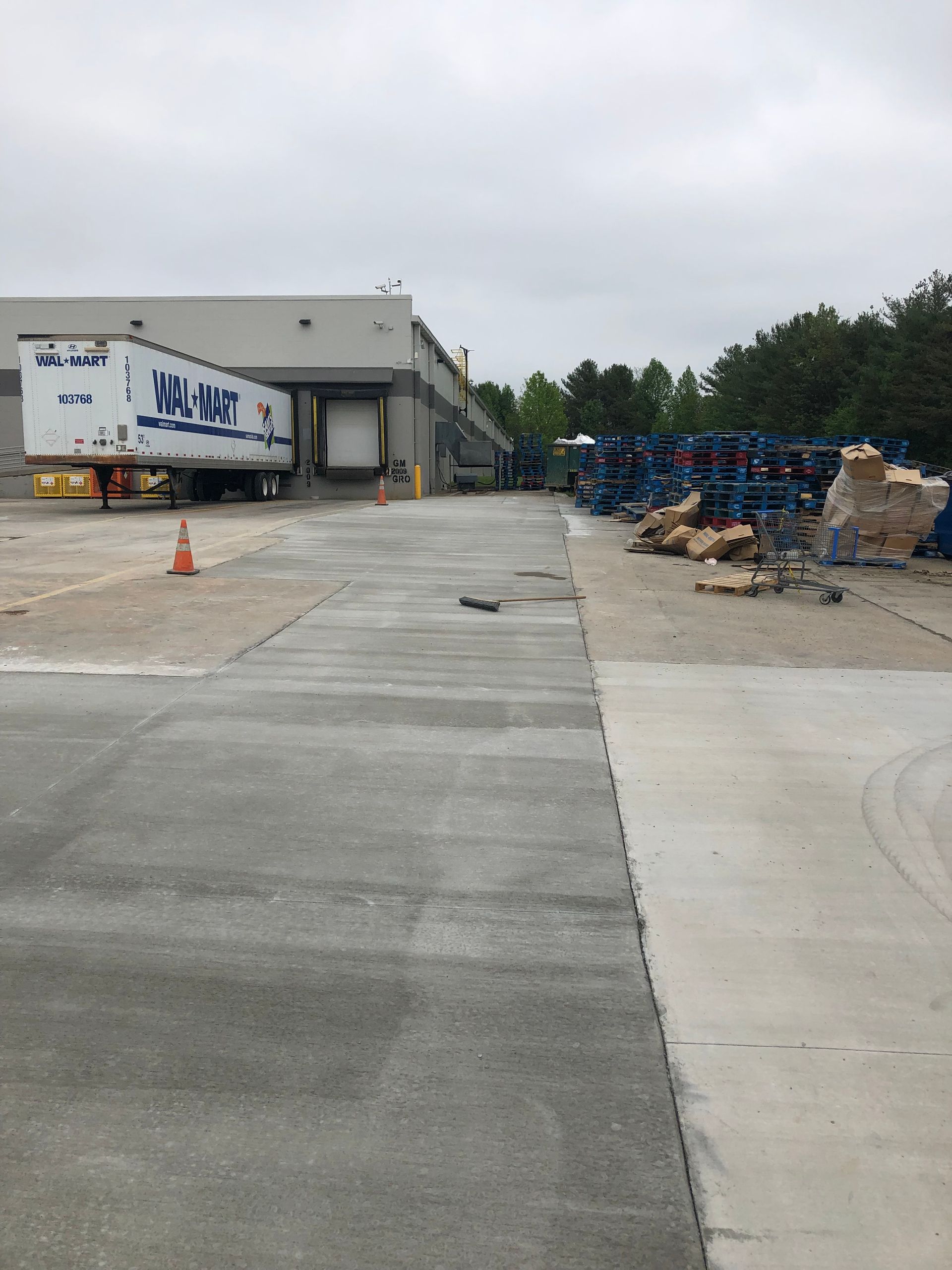
Discover practical commercial concrete maintenance tips and learn how experienced commercial concrete companies can help protect pavement, prevent costly damage, and extend its service life.
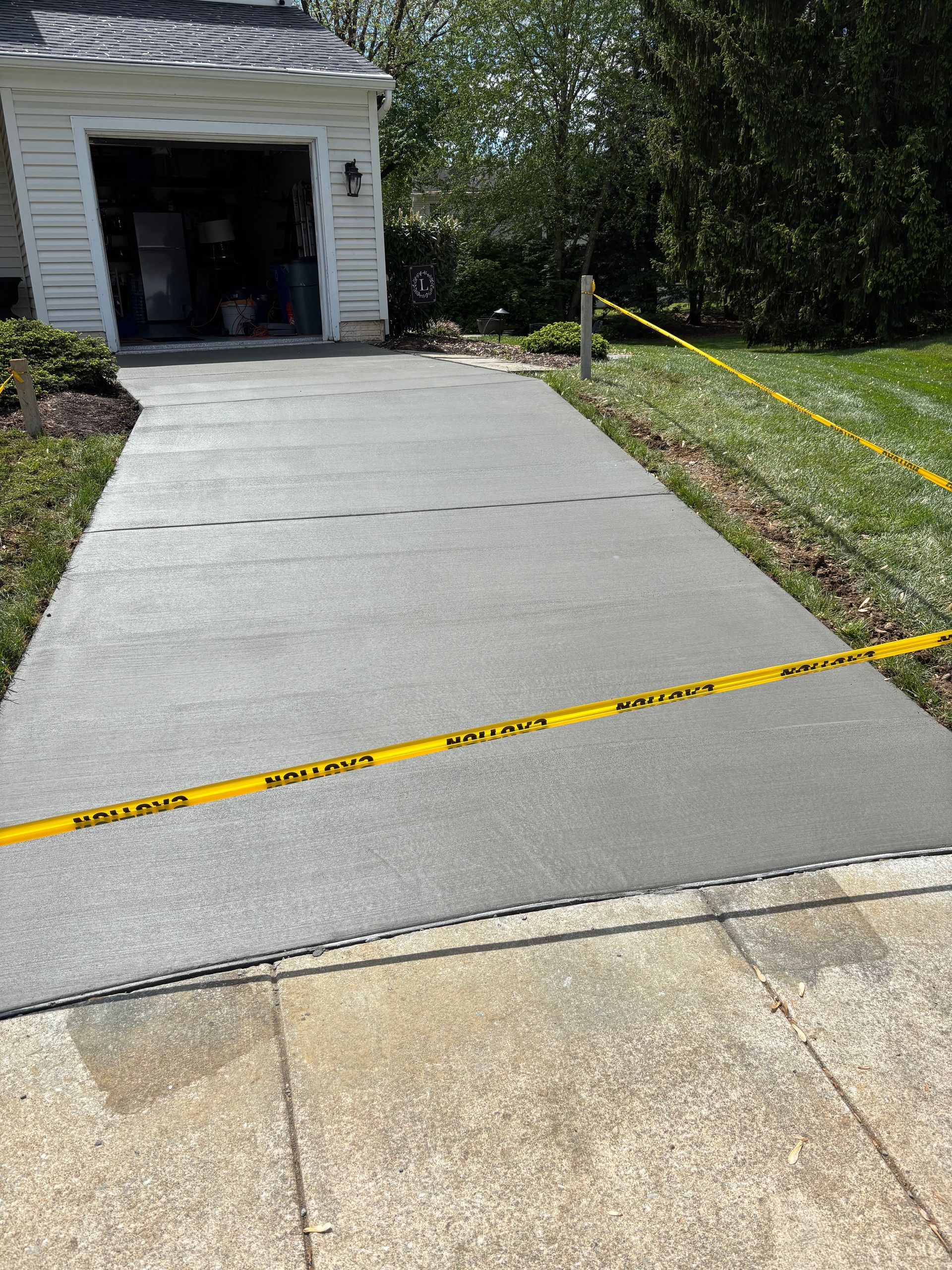
Discover the key features of a functional, stylish concrete patio and learn how experienced concrete patio contractors can create a durable outdoor space for relaxing and entertaining.
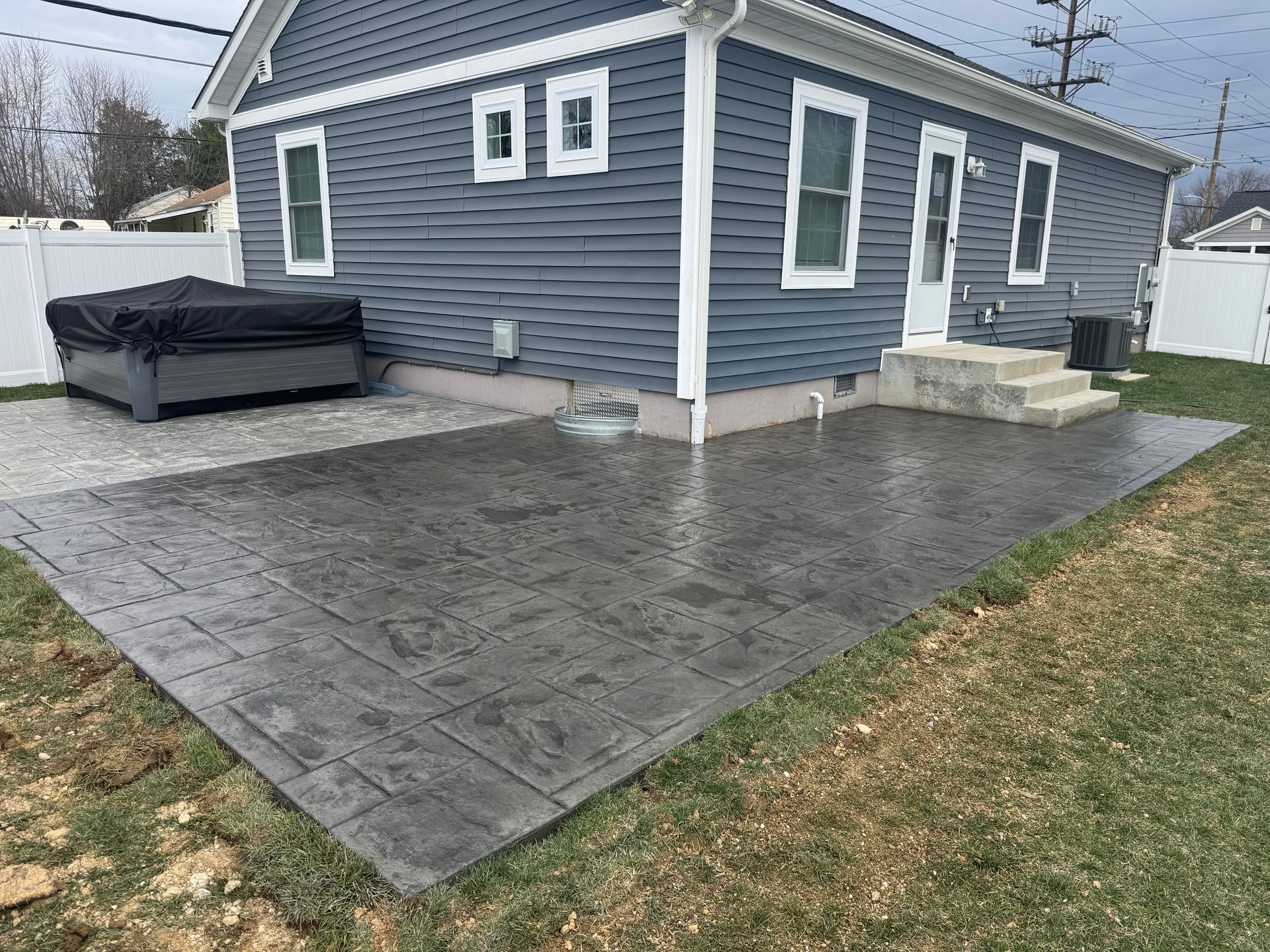
Learn what makes a durable, attractive patio with expert tips from experienced concrete patio contractors. Discover design, drainage and finish ideas.
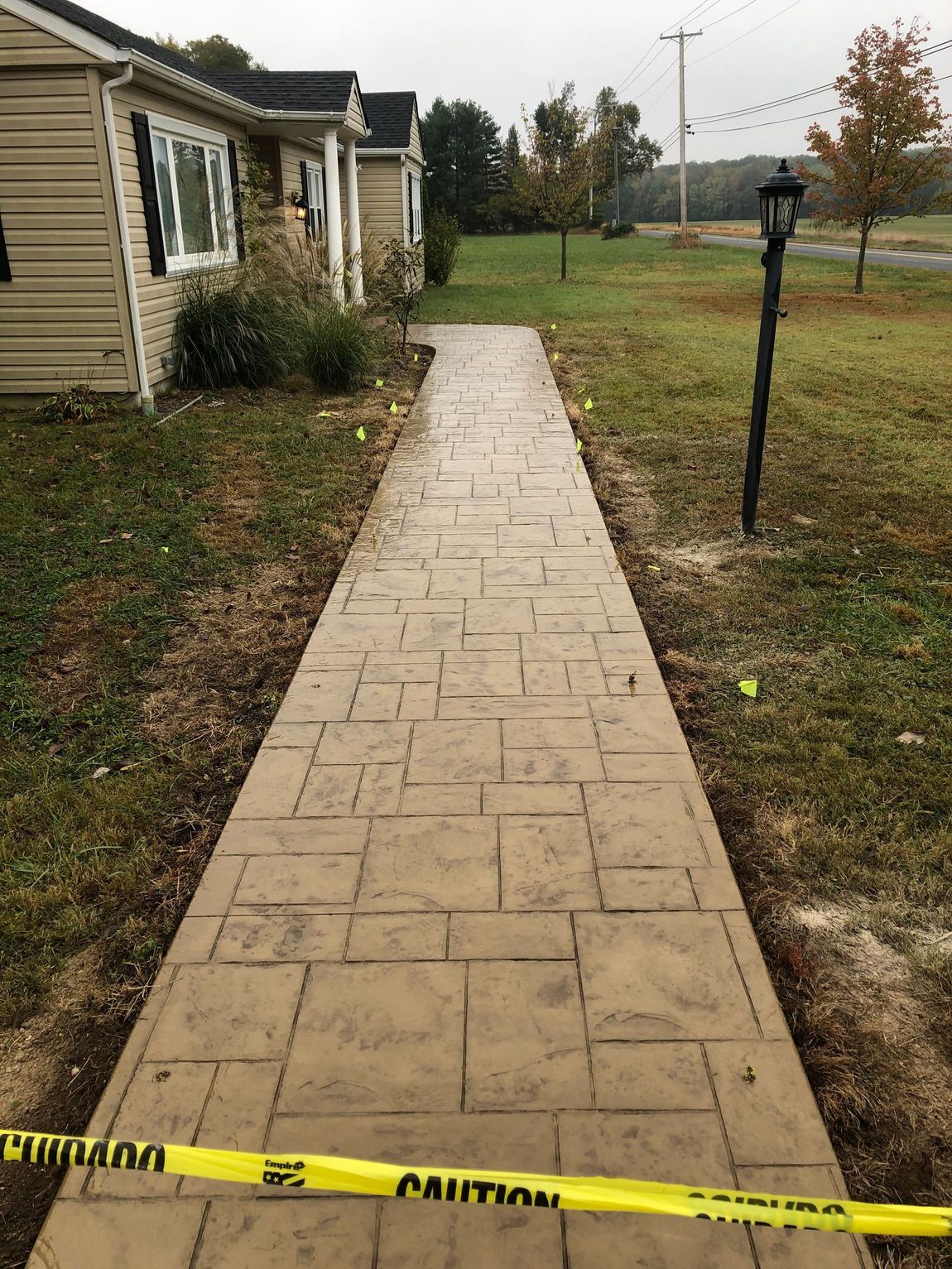
Learn how long a concrete driveway lasts, what affects its lifespan, and maintenance tips from experienced concrete driveway contractors.