Slippery Stamped Concrete

John Crockett • February 19, 2026

How to Make Stamped Concrete Not Slippery & Safe(Complete Homeowner Guide)


Stamped concrete is one of the most beautiful and durable upgrades you can add to your home. But one of the most common questions we hear at Crockett & Sons Concrete, Inc. is:
“Is stamped concrete slippery — and how do I make it safer?”

If you're installing a patio, pool deck, driveway, or walkway in Cecil County, Harford County, or Chester County, here’s everything you need to know about keeping stamped concrete safe and slip-resistant.


Is Stamped Concrete Slippery?

Stamped concrete can become slippery when:

  • A high-gloss sealer is applied
  • The surface is wet (rain, snow, or pool water)
  • The concrete is finished too smooth
  • No anti-slip additive is used

However, when installed properly, stamped concrete is no more slippery than traditional broom-finished concrete — and can actually provide better traction.

The key is proper finishing and sealing.


1. Add a Non-Slip Additive to the Sealer (Most Effective Method)

The #1 way to make stamped concrete not slippery is by adding a non-slip grit additive to the sealer.

These additives:

  • Are mixed directly into the sealer
  • Create microscopic texture
  • Do not change the look of the concrete

Dramatically improve traction when wet

This is especially important for:

  • Pool decks
  • Front walkways
  • Sloped driveways
  • Patios exposed to rain and snow in Maryland

At Crockett & Sons Concrete, we always recommend anti-slip additives for outdoor decorative concrete in our climate.


2. Use the Right Type of Sealer

Not all sealers are the same.

High-gloss sealers may look beautiful, but they can increase slipperiness. Instead, we recommend:

  • Satin or matte finish sealers
  • Solvent-based sealers with traction additives
  • Resealing every 2–3 years to maintain texture

Over-sealing can also cause buildup, which makes surfaces slick. Proper application matters.


3. Choose the Right Stamp Pattern

Texture matters.

Some stamp patterns naturally provide better traction than others.


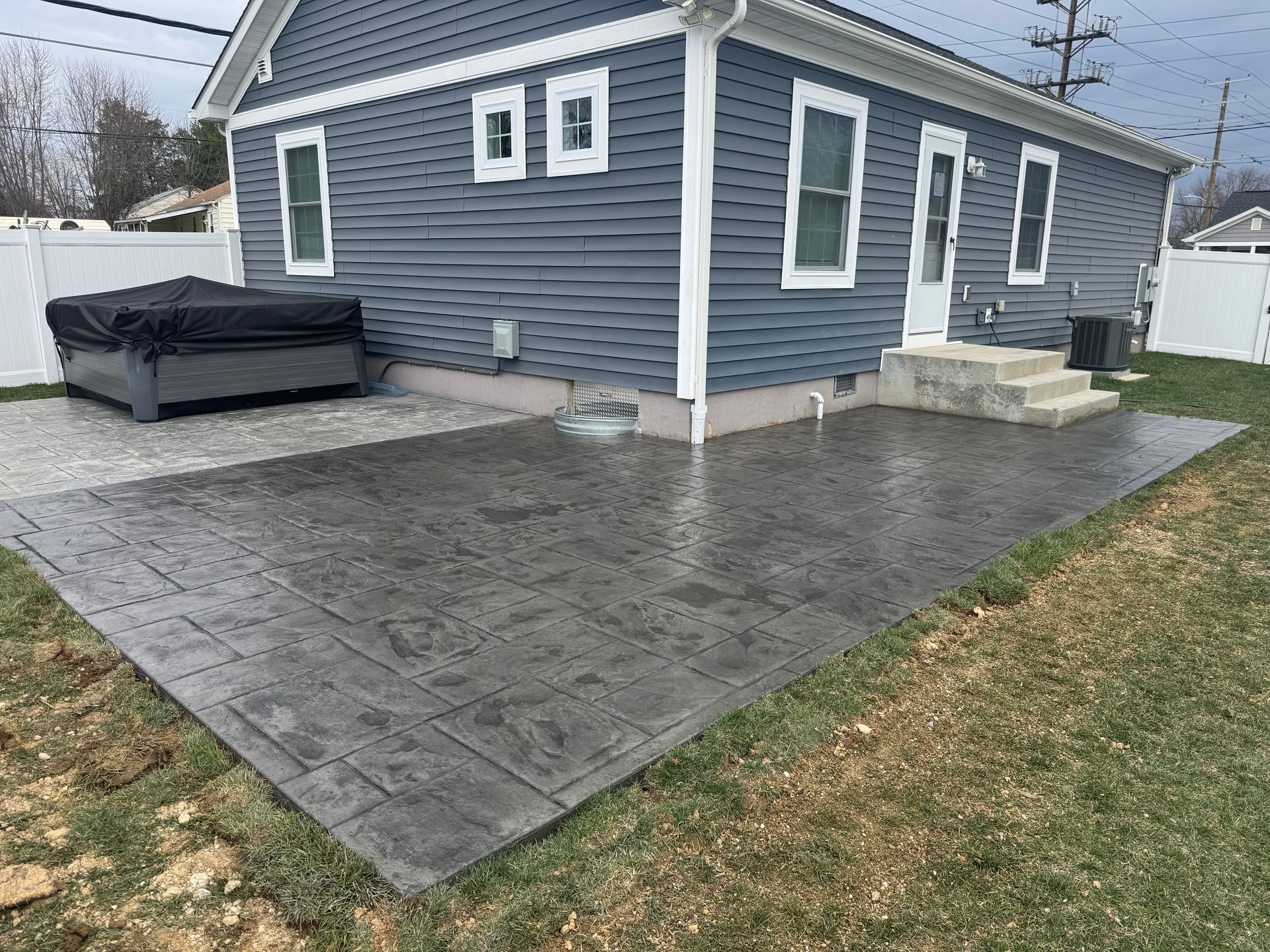
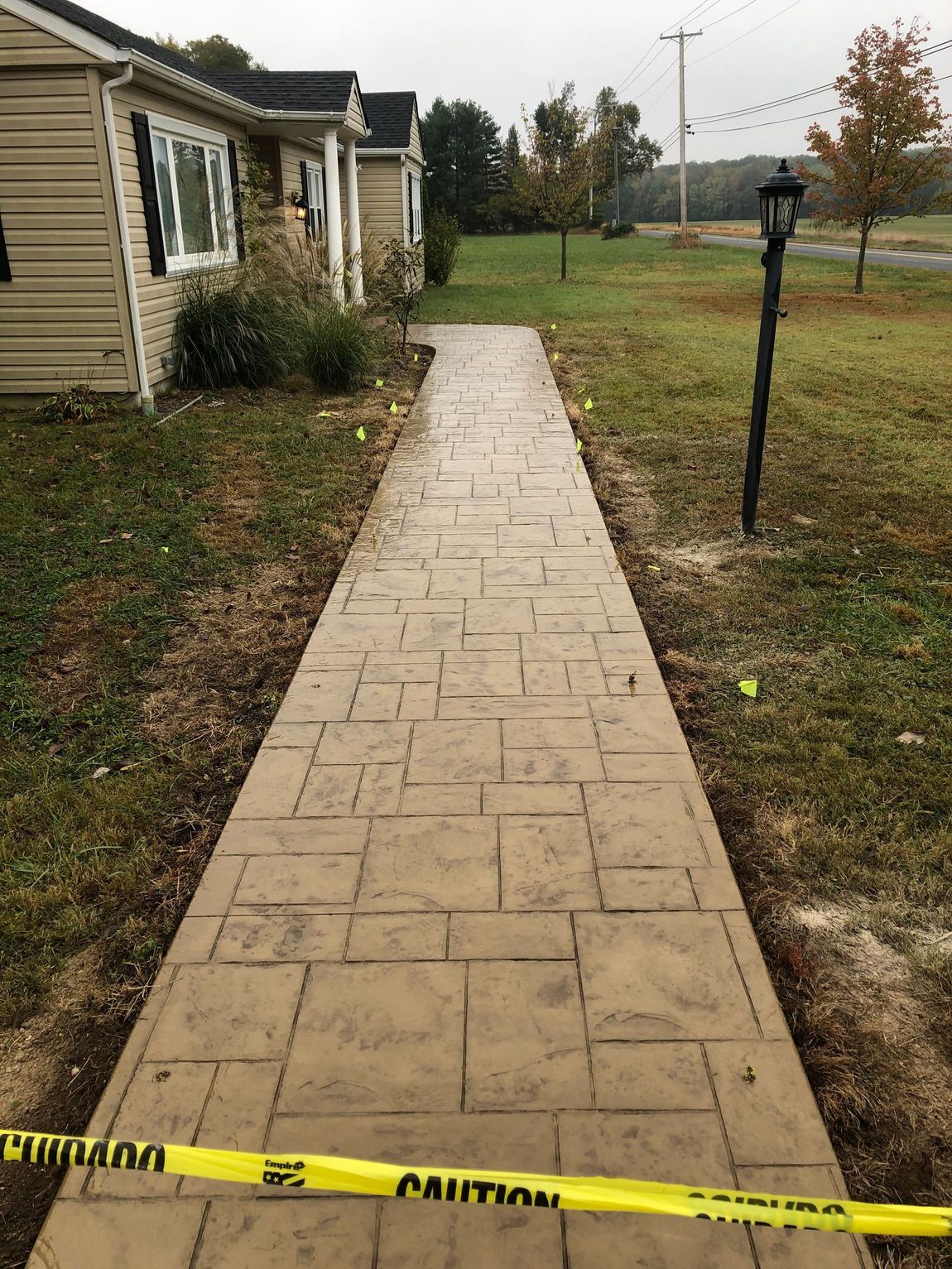
Best Slip-Resistant Stamped Concrete Patterns

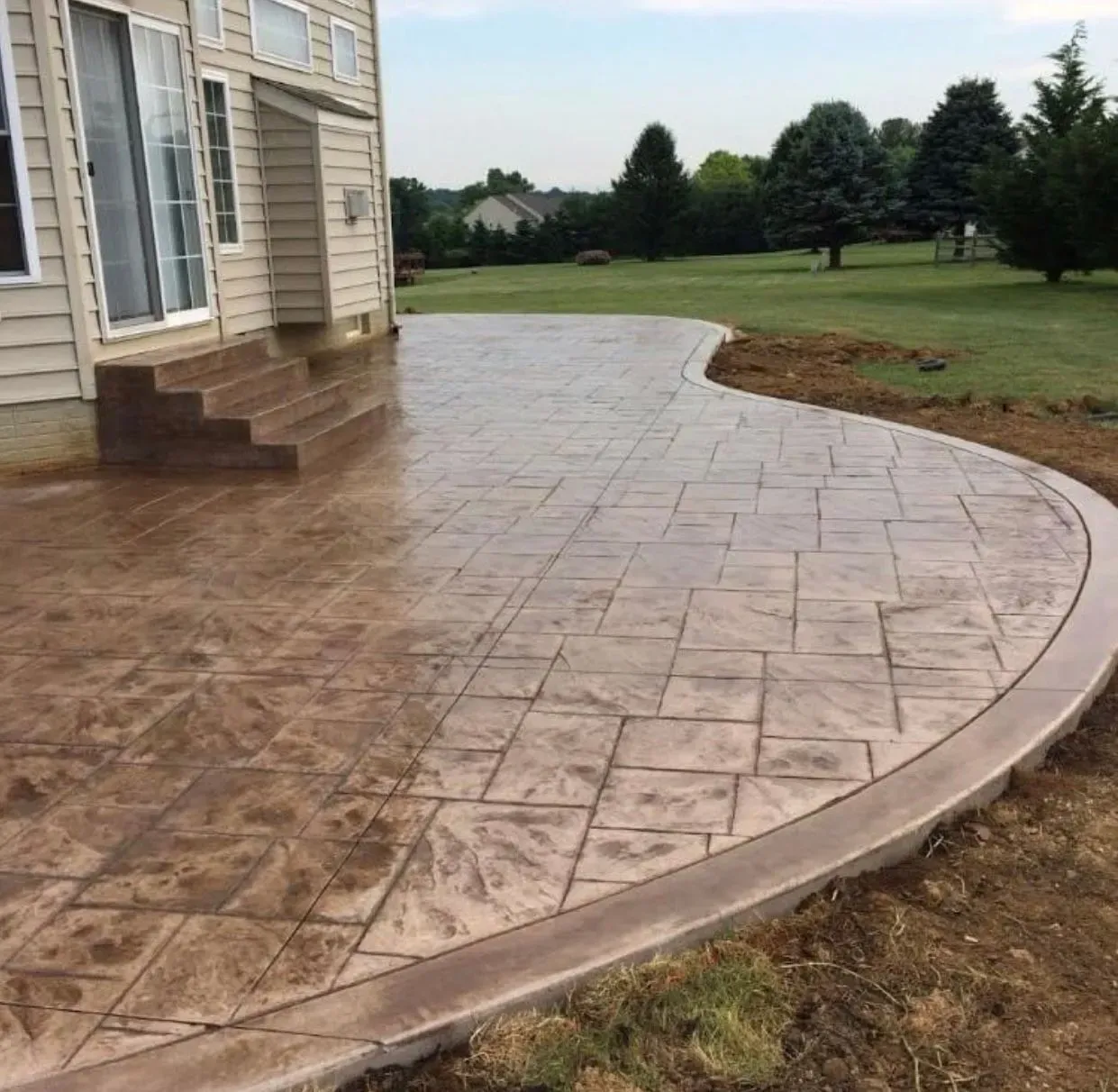
  • Random stone patterns
  • Cobblestone finishes
  • Heavily textured wood plank stamps
  • Slate textures

These patterns create natural surface variation that improves grip.


4. Avoid Over-Power Washing

Many homeowners accidentally make stamped concrete slippery by:

  • Power washing too aggressively
  • Stripping texture from the surface
  • Removing traction additives from the sealer

Use moderate pressure and reseal properly when needed.


5. Apply a Slip-Resistant Coating to Existing Stamped Concrete

Already have stamped concrete that feels slick?

You can:

  • Lightly clean and etch the surface
  • Reapply sealer with anti-slip additive
  • Apply a clear traction coating

In most cases, resurfacing is not required.


Why Slip Resistance Matters in Maryland & Pennsylvania

In areas like:

  • Elkton
  • North East
  • Bel Air
  • Fallston
  • Forest Hill
  • Oxford

We deal with:

  • Rain
  • Snow
  • Freeze-thaw cycles
  • Pool installations
  • Sloped properties


That’s why proper installation is critical for stamped concrete patios, driveways, walkways, and pool decks in our region.

Is Stamped Concrete Safe Around Pools?


Yes — when installed correctly.

For pool decks, we recommend:

  • Heavy texture patterns
  • Anti-slip additives in sealer
  • Regular maintenance resealing

Stamped concrete is actually safer than many paver surfaces when maintained properly because it has fewer shifting joints and uneven edges.


Final Thoughts: Is Stamped Concrete Slippery?


Stamped concrete is only slippery if it’s installed or sealed incorrectly.

When installed by experienced professionals using proper traction additives and sealers, it is:

✔ Safe
✔ Durable
✔ Beautiful
✔ Low maintenance


Need Help Making Your Stamped Concrete Safer?

If you’re in Cecil County, Harford County, or Chester County and want:

  • A new stamped concrete patio
  • Pool deck installation
  • Slip-resistant resealing
  • Decorative concrete upgrades

Crockett & Sons Concrete, Inc. can help.

We specialize in stamped concrete designed for Maryland and Pennsylvania weather conditions.

📞 Contact us today for a free estimate.
types of concrete cracks and repair methods
By John Crockett February 12, 2026
Concrete repair by Crockett and Sons Concrete, Inc/Our methods of repair
how to clean concrete a step by step guide for harford, cecil, and chester co
By John Crockett February 4, 2026
How to Clean Concrete: A Homeowner’s Step-by-Step Guide Concrete driveways, patios, and walkways are built to last — but over time, dirt, algae, oil, and stains can make them look worn and neglected. The good news? With the right approach, most concrete surfaces can be cleaned safely and effectively. This guide walks you through how to clean concrete properly, what tools to use, best to call a professional. What You’ll Need to Clean Concrete Before you start, gather the following: Broom or stiff-bristle brush Garden hose or pressure washer Mild dish soap or concrete cleaner Bucket Baking soda (for oil stains) Protective gloves and eyewear Avoid harsh acids unless recommended by a professional — they can damage the concrete surface. Step 1: Remove Loose Dirt and Debris Start by sweeping the area thoroughly. Removing loose dirt, leaves, and debris helps prevent scratches and allows cleaners to work more effectively. For large areas like driveways, a leaf blower can save time. Step 2: Rinse the Concrete Surface Use a garden hose or pressure washer to rinse the concrete. This removes surface dust and preps the concrete for deeper cleaning. Pressure washer tip: Use a fan-tip nozzle and keep the wand moving to avoid etching the surface. Do not get too close to the surface or you will remove the top layer of cement and expose the aggregate. Step 3: Apply a Concrete Cleaner Mix a mild detergent with warm water or use a cleaner designed specifically for concrete. Pour or spray it evenly across the surface. Let the cleaner sit for 5–10 minutes, but don’t allow it to dry. Step 4: Scrub Stained Areas Use a stiff-bristle brush to scrub stains, especially in high-traffic areas. Common Stain Solutions Oil stains: Sprinkle baking soda or cat litter, let it sit, then scrub Mold & algae: Use oxygen bleach (never mix chemicals) Rust stains: Use a rust remover approved for concrete Step 5: Rinse Thoroughly Rinse the entire surface with clean water until all soap residue is gone. Leftover cleaner can attract dirt and cause streaking. Repeat the process for stubborn stains if needed. Step 6: Let the Concrete Dry Completely Allow the concrete to air dry for at least 24 hours before placing furniture back or walking on the surface heavily. Should You Pressure Wash Concrete? Pressure washing can be effective — but it must be done correctly. When possible, a rotary pressure washer surface cleaner is recommended. ✔ Safe for: Driveways Sidewalks Unsealed patios ⚠ Use caution on: Decorative or stamped concrete Older or cracked concrete Using too much pressure can cause surface damage, exposing aggregate and weakening the slab. Seal Your Concrete for Long-Term Protection After cleaning, consider applying a concrete sealer. Sealing helps: Prevent stains Reduce moisture absorption Extend the life of the concrete Improve appearance Most sealed concrete should be resealed every 2–3 years. When to Call a Professional Concrete Contractor DIY cleaning works for light buildup, but professional help is recommended if you notice: Deep oil or grease stains Heavy algae or mold growth Flaking or surface damage Decorative or stamped concrete that needs special care A professional can clean without damaging the concrete and recommend repairs if needed. At Crockett & Sons Concrete, Inc., we want to help homeowners protect their investment with expert concrete care, cleaning guidance, and repairs. We proudly serve: All of Cecil and Harford County, MD as well as Chester County, PA 📞 Contact us today for a free estimate or concrete evaluation
concrete driveway by crockett & sons concrete, inc
By John Crockett January 29, 2026
A homeowners guide to concrete psi
Stamped Concrere
By John Crockett January 20, 2026
Upgrade your patio, driveway, or walkway with decorative stamped concrete. Crockett & Sons Concrete, delivers durable, custom designs with professional installation
Why Concrete Patios Beat Wood Decks in Aberdeen, MD — Durable, Low-Maintenance Outdoor Living
By John Crockett January 20, 2026
Considering a concrete patio vs. a deck in Aberdeen, MD? Learn why concrete patios (including stamped and colored options) outperform wood decks
By John Crockett January 16, 2026
Concrete in the Winter: What Bel Air, MD Homeowners Need to Know Winter in Bel Air, Maryland brings freezing temperatures, snow, ice, and frequent freeze–thaw cycles — all of which can take a serious toll on your concrete surfaces. From driveways and sidewalks to patios and foundations, cold weather can cause cracking, scaling, and long-term structural damage if concrete isn’t properly installed or maintained. At Crockett & Sons Concrete, we’ve worked with Maryland homeowners for decades, and we know exactly how winter conditions affect concrete in Harford County. Here’s what you need to know to protect your concrete this winter — and when it’s still possible to pour concrete safely. How Winter Weather Affects Concrete in Bel Air, MD Bel Air winters are especially hard on concrete because of repeated freeze–thaw cycles. Water seeps into small pores and cracks, freezes, expands, and then thaws — slowly breaking the concrete apart from the inside. Common winter-related concrete problems include: Cracking and surface flaking (scaling) Spalling caused by moisture expansion Damage from deicing salts Heaving or shifting slabs Worsening of existing cracks Concrete that wasn’t properly mixed, cured, or sealed is especially vulnerable during Maryland winters. Can You Pour Concrete in the Winter? Yes — concrete can be poured in winter, but only when proper cold-weather procedures are followed. Professional concrete contractors in Bel Air, MD must take extra precautions, including: Using cold-weather concrete mixes Monitoring ground and air temperatures Protecting fresh concrete with insulated blankets Controlling moisture during curing Timing pours to avoid freezing conditions At Crockett & Sons Concrete, we follow industry best practices to ensure concrete cures correctly — even during colder months. Not every winter day is suitable for pouring, which is why experience matters. Winter Concrete Maintenance Tips for Homeowners If you already have concrete on your property, winter maintenance is essential to prevent damage and extend its lifespan. 1. Avoid Using Harsh Deicing Salts Rock salt and chemical deicers can penetrate concrete and accelerate deterioration. Instead, use sand or a concrete-safe deicer when possible. 2. Keep Concrete Clean and Dry Remove snow and ice promptly to reduce moisture absorption and prevent refreezing damage. 3. Seal Your Concrete Concrete sealing creates a protective barrier against water and salt intrusion. Fall is ideal, but sealing before or after winter can still help prevent future damage. 4. Address Small Cracks Early Small cracks can turn into major problems during freeze–thaw cycles. Repairing them early helps prevent costly repairs later. Why Professional Installation Matters in Cold Climates Concrete installed without proper reinforcement, drainage, or curing techniques is far more likely to fail in winter conditions. Hiring a local Bel Air concrete contractor ensures your project is designed specifically for Maryland’s climate. Crockett & Sons Concrete uses: Proper sub-base preparation Reinforced concrete where needed Climate-appropriate mixes Proven curing and protection methods This attention to detail helps your concrete withstand harsh winters year after year. Planning Concrete Projects for Spring Winter is the perfect time to plan your spring concrete project. Scheduling early ensures you’re first in line when temperatures rise and conditions are ideal for pouring. Popular spring projects include: Concrete driveways Patios and outdoor living spaces Sidewalks and walkways Foundations and footings Trusted Concrete Contractor in Bel Air, MD If you’re concerned about winter damage or planning a new concrete project, Crockett & Sons Concrete is here to help. We proudly serve Bel Air and surrounding Harford County communities with reliable, high-quality concrete services. 📞 Contact us today to schedule a consultation or request a free estimate — and make sure your concrete is built to last through every Maryland winter.
stamped concrete patio in grey in Aberdeem, Md
By John Crockett January 16, 2026
Discover the differences between pavers and concrete, including cost, durability, maintenance, and best uses to help homeowners choose the right option.
Concrete rebar and reinforcement
By John Crockett March 10, 2025
Learn how Fibermesh reinforcement strengthens concrete patios, driveways, and sidewalks with improved durability, crack resistance, & long-lasting performance.
Crockett & Sons Concrete, Inc Logo
By John Crockett March 7, 2025
Learn essential concrete driveway protection and maintenance tips, including sealing, cleaning, crack prevention & seasonal care for long-lasting performance.
Crockett & Sons Concrete, Inc logo
By John Crockett March 7, 2025
Learn about concrete footing depth requirements, local guidelines, and best practices for foundations to ensure stable, code-compliant construction.