Concrete Reinforcement
John Crockett • March 10, 2025
Is FiberMesh reinforcement all I need in my concrete for our climate here in Harford and Cecil County, Maryland?
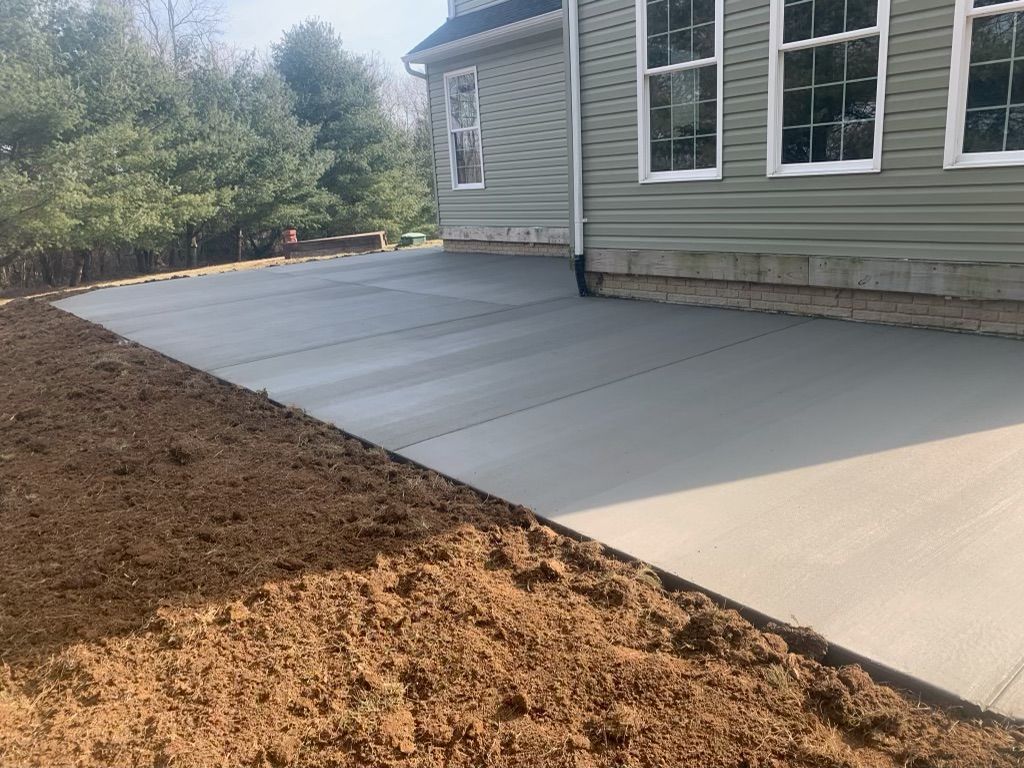
Is FiberMesh enough for my concrete project?
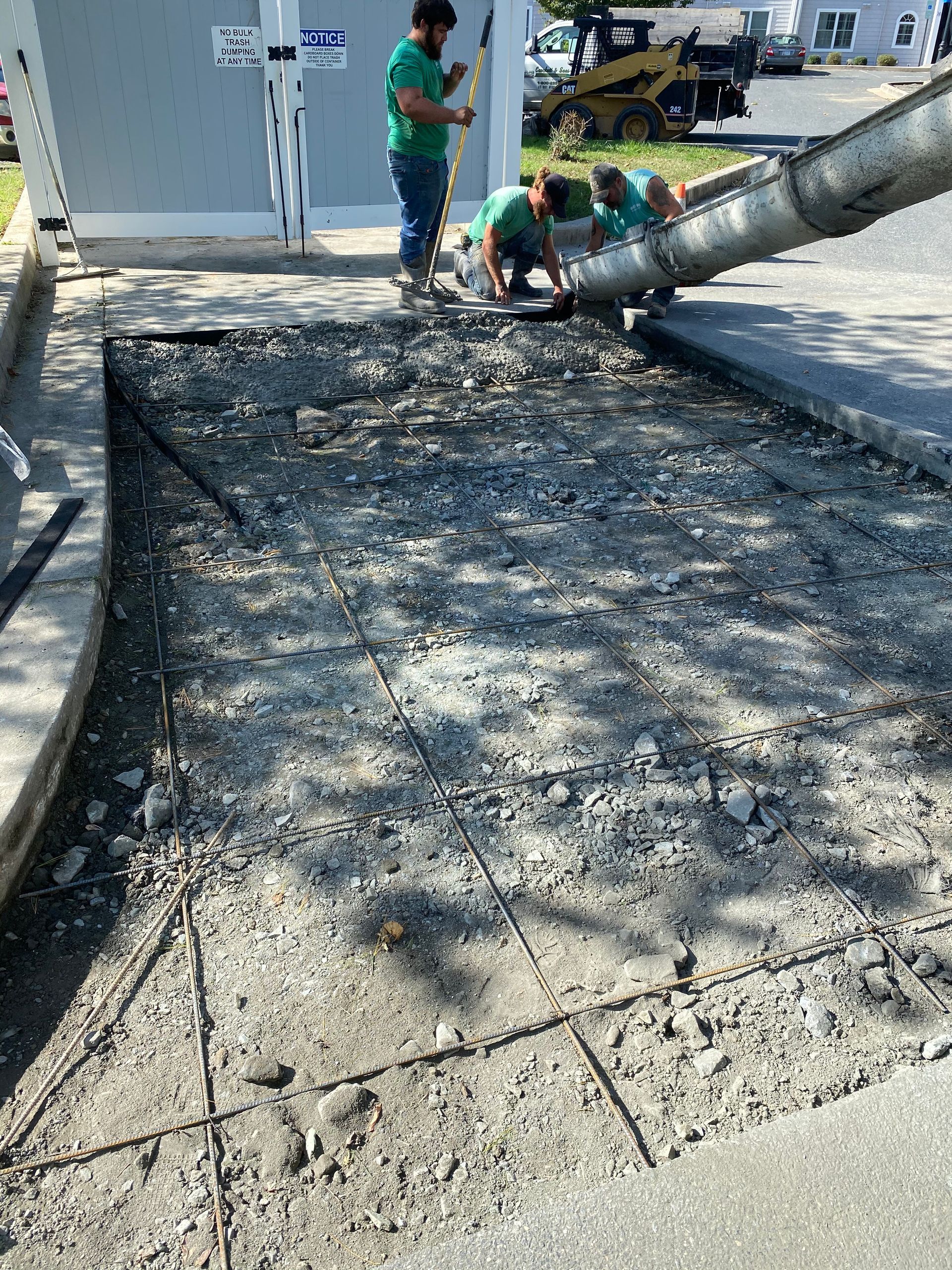
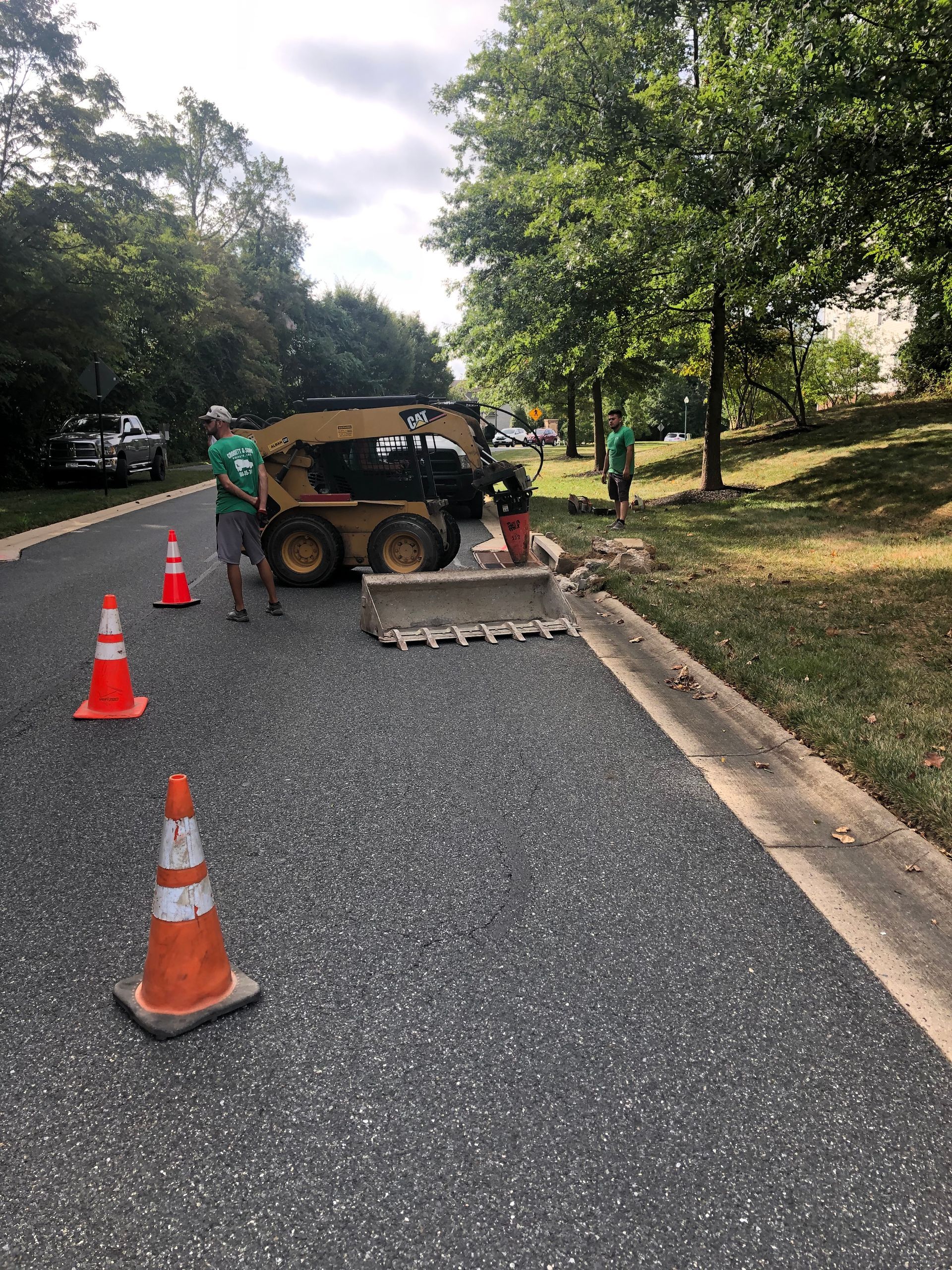
The short answer, after 30 years of removing and replacing concrete, in my opinion; is no. For my concrete and the concrete we install for our residential customers, FiberMesh will always be in the mix. However, it won’t be the only reinforcement in our concrete. We here at Crockett & Sons Concrete, Inc always use FiberMesh as a secondary form of reinforcement and use rebar or wire mesh as the primary. Let me explain. I’m not a concrete engineer. I don’t have the data on any laboratory tests. But what I do know is that when I am demolishing concrete and learn that FiberMesh is the only reinforcement, it makes me happy. On the other hand, if I see wire or rebar in the concrete that I’m tearing out, I know that I’m going to work a lot harder that day. When a slab with FiberMesh only meets a jackhammer, it splits apart almost as easy as concrete with no reinforcement at all. Where rebar and wire mesh will hold the concrete together and require a lot of prying, and excessive blows to get the concrete to break into pieces.
What does this mean for your slab?
If your slab is tested to the limits for whatever reason, cracks, base issues, freeze/thaw, heavy loads, etc. It will be the rebar and wire mesh that may help to save the slab or at least extend the life of it.
What’s better rebar or wire?
We use #3 rebar on 16-24” centers each way for typical light duty driveways, patio, and sidewalk applications. These will typically be poured at 4” thick of a 4000 psi mix and include FiberMesh. Unfortunately sometimes concrete cracks regardless if everything is done by the book. We love our friends over at FiberMesh. But if our concrete does crack we want the extra help from rebar to help keep your slab structurally sound for years to come.
How to Clean Concrete: A Homeowner’s Step-by-Step Guide Concrete driveways, patios, and walkways are built to last — but over time, dirt, algae, oil, and stains can make them look worn and neglected. The good news? With the right approach, most concrete surfaces can be cleaned safely and effectively. This guide walks you through how to clean concrete properly, what tools to use, best to call a professional. What You’ll Need to Clean Concrete Before you start, gather the following: Broom or stiff-bristle brush Garden hose or pressure washer Mild dish soap or concrete cleaner Bucket Baking soda (for oil stains) Protective gloves and eyewear Avoid harsh acids unless recommended by a professional — they can damage the concrete surface. Step 1: Remove Loose Dirt and Debris Start by sweeping the area thoroughly. Removing loose dirt, leaves, and debris helps prevent scratches and allows cleaners to work more effectively. For large areas like driveways, a leaf blower can save time. Step 2: Rinse the Concrete Surface Use a garden hose or pressure washer to rinse the concrete. This removes surface dust and preps the concrete for deeper cleaning. Pressure washer tip: Use a fan-tip nozzle and keep the wand moving to avoid etching the surface. Do not get too close to the surface or you will remove the top layer of cement and expose the aggregate. Step 3: Apply a Concrete Cleaner Mix a mild detergent with warm water or use a cleaner designed specifically for concrete. Pour or spray it evenly across the surface. Let the cleaner sit for 5–10 minutes, but don’t allow it to dry. Step 4: Scrub Stained Areas Use a stiff-bristle brush to scrub stains, especially in high-traffic areas. Common Stain Solutions Oil stains: Sprinkle baking soda or cat litter, let it sit, then scrub Mold & algae: Use oxygen bleach (never mix chemicals) Rust stains: Use a rust remover approved for concrete Step 5: Rinse Thoroughly Rinse the entire surface with clean water until all soap residue is gone. Leftover cleaner can attract dirt and cause streaking. Repeat the process for stubborn stains if needed. Step 6: Let the Concrete Dry Completely Allow the concrete to air dry for at least 24 hours before placing furniture back or walking on the surface heavily. Should You Pressure Wash Concrete? Pressure washing can be effective — but it must be done correctly. When possible, a rotary pressure washer surface cleaner is recommended. ✔ Safe for: Driveways Sidewalks Unsealed patios ⚠ Use caution on: Decorative or stamped concrete Older or cracked concrete Using too much pressure can cause surface damage, exposing aggregate and weakening the slab. Seal Your Concrete for Long-Term Protection After cleaning, consider applying a concrete sealer. Sealing helps: Prevent stains Reduce moisture absorption Extend the life of the concrete Improve appearance Most sealed concrete should be resealed every 2–3 years. When to Call a Professional Concrete Contractor DIY cleaning works for light buildup, but professional help is recommended if you notice: Deep oil or grease stains Heavy algae or mold growth Flaking or surface damage Decorative or stamped concrete that needs special care A professional can clean without damaging the concrete and recommend repairs if needed. At Crockett & Sons Concrete, Inc., we want to help homeowners protect their investment with expert concrete care, cleaning guidance, and repairs. We proudly serve: All of Cecil and Harford County, MD as well as Chester County, PA 📞 Contact us today for a free estimate or concrete evaluation

Concrete in the Winter: What Bel Air, MD Homeowners Need to Know Winter in Bel Air, Maryland brings freezing temperatures, snow, ice, and frequent freeze–thaw cycles — all of which can take a serious toll on your concrete surfaces. From driveways and sidewalks to patios and foundations, cold weather can cause cracking, scaling, and long-term structural damage if concrete isn’t properly installed or maintained. At Crockett & Sons Concrete, we’ve worked with Maryland homeowners for decades, and we know exactly how winter conditions affect concrete in Harford County. Here’s what you need to know to protect your concrete this winter — and when it’s still possible to pour concrete safely. How Winter Weather Affects Concrete in Bel Air, MD Bel Air winters are especially hard on concrete because of repeated freeze–thaw cycles. Water seeps into small pores and cracks, freezes, expands, and then thaws — slowly breaking the concrete apart from the inside. Common winter-related concrete problems include: Cracking and surface flaking (scaling) Spalling caused by moisture expansion Damage from deicing salts Heaving or shifting slabs Worsening of existing cracks Concrete that wasn’t properly mixed, cured, or sealed is especially vulnerable during Maryland winters. Can You Pour Concrete in the Winter? Yes — concrete can be poured in winter, but only when proper cold-weather procedures are followed. Professional concrete contractors in Bel Air, MD must take extra precautions, including: Using cold-weather concrete mixes Monitoring ground and air temperatures Protecting fresh concrete with insulated blankets Controlling moisture during curing Timing pours to avoid freezing conditions At Crockett & Sons Concrete, we follow industry best practices to ensure concrete cures correctly — even during colder months. Not every winter day is suitable for pouring, which is why experience matters. Winter Concrete Maintenance Tips for Homeowners If you already have concrete on your property, winter maintenance is essential to prevent damage and extend its lifespan. 1. Avoid Using Harsh Deicing Salts Rock salt and chemical deicers can penetrate concrete and accelerate deterioration. Instead, use sand or a concrete-safe deicer when possible. 2. Keep Concrete Clean and Dry Remove snow and ice promptly to reduce moisture absorption and prevent refreezing damage. 3. Seal Your Concrete Concrete sealing creates a protective barrier against water and salt intrusion. Fall is ideal, but sealing before or after winter can still help prevent future damage. 4. Address Small Cracks Early Small cracks can turn into major problems during freeze–thaw cycles. Repairing them early helps prevent costly repairs later. Why Professional Installation Matters in Cold Climates Concrete installed without proper reinforcement, drainage, or curing techniques is far more likely to fail in winter conditions. Hiring a local Bel Air concrete contractor ensures your project is designed specifically for Maryland’s climate. Crockett & Sons Concrete uses: Proper sub-base preparation Reinforced concrete where needed Climate-appropriate mixes Proven curing and protection methods This attention to detail helps your concrete withstand harsh winters year after year. Planning Concrete Projects for Spring Winter is the perfect time to plan your spring concrete project. Scheduling early ensures you’re first in line when temperatures rise and conditions are ideal for pouring. Popular spring projects include: Concrete driveways Patios and outdoor living spaces Sidewalks and walkways Foundations and footings Trusted Concrete Contractor in Bel Air, MD If you’re concerned about winter damage or planning a new concrete project, Crockett & Sons Concrete is here to help. We proudly serve Bel Air and surrounding Harford County communities with reliable, high-quality concrete services. 📞 Contact us today to schedule a consultation or request a free estimate — and make sure your concrete is built to last through every Maryland winter.