Concrete Driveway Protection
John Crockett • March 7, 2025
How to care for your new driveway and does it need sealed?
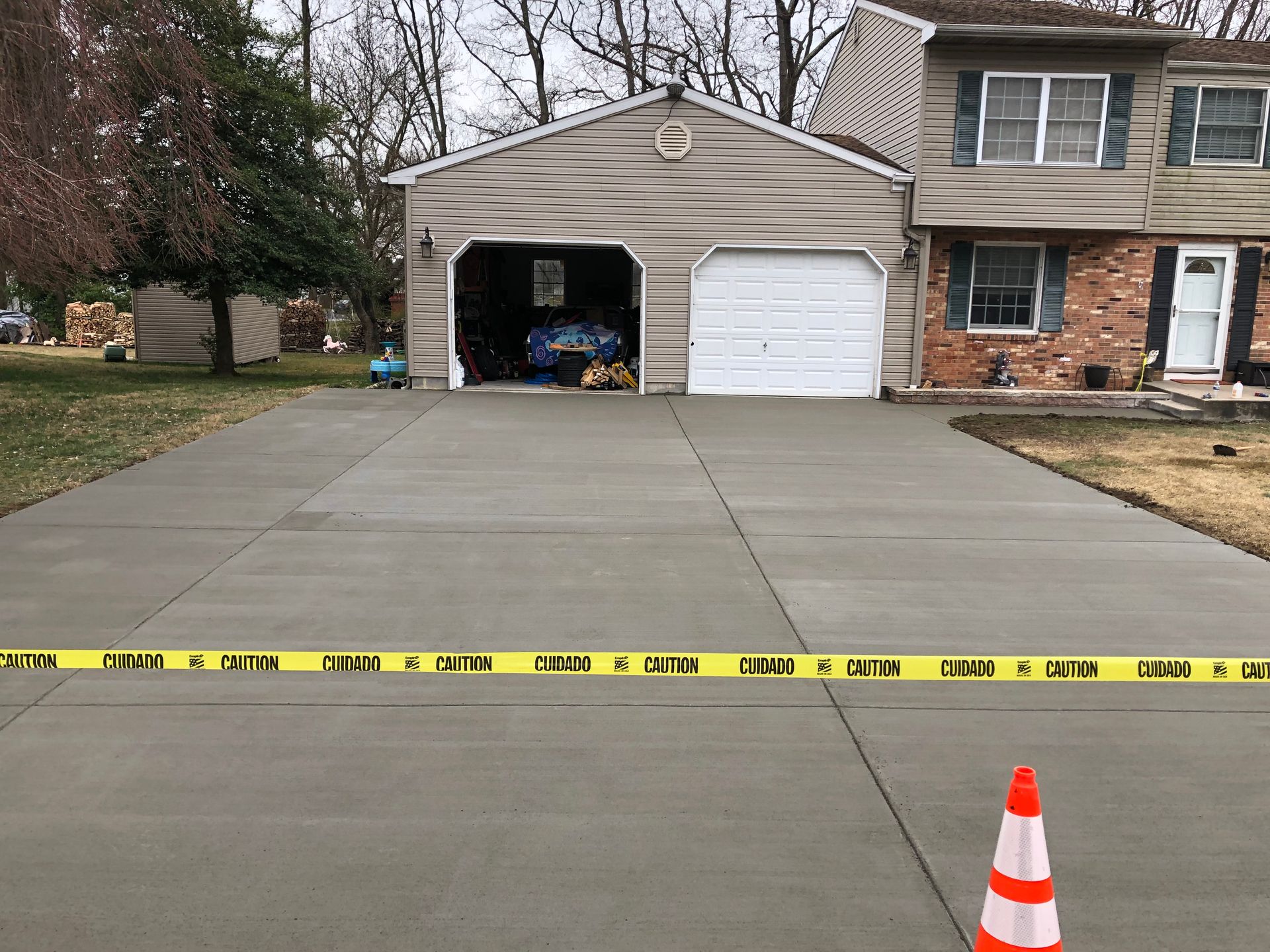
Does my concrete driveway really need sealer?
Yes. Unfortunately tearing out that old asphalt driveway and making the switch to concrete doesn’t mean you are free from sealing and maintenance. Yes concrete makes for a very hard, durable, and long lasting driveway. However as soon as that new driveway cures 14 to 28 days, seal it with a penetrating sealer from a reputable manufacturer.
Not sure how to pick a reputable brand?
Google “concrete supply near me”. Contact your local concrete supply company, and ask them for one that is popular with the local concrete contractors. Penetrating sealers are easy to apply and easy to clean up. We like to spray with a Chapin sprayer and back roll with a medium nap roller. The directions will be printed on the bucket, and of course available online from the manufacturer. These sealers will protect your new concrete from salt damage, chemicals, and water intrusion.
Have old concrete that’s not sealed? No worries. A good cleaning and your concrete can benefit from the protection of a penetrating sealer also. As a matter of fact, sidewalks, patios, porches, etc should all be sealed with a penetrating sealer to get the longest life out of your concrete. Best of luck!

Hiring an unlicensed contractor in Maryland can lead to poor workmanship, legal risks, and major expenses. Learn why an MHIC license protects homeowners.
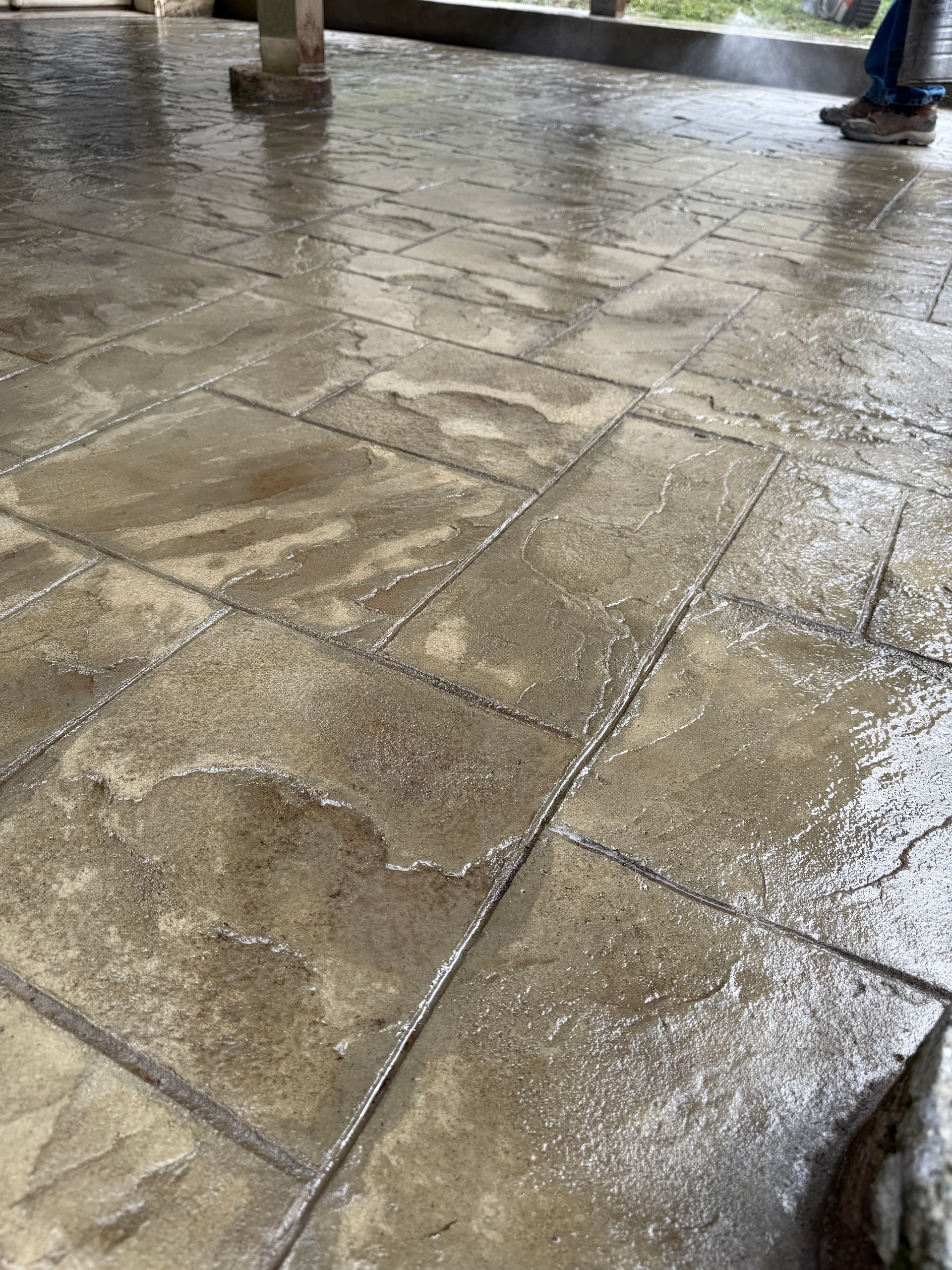
Learn how to make stamped concrete not slippery. Anti-slip tips for patios, pool decks & driveways in Cecil County MD & Chester County PA.
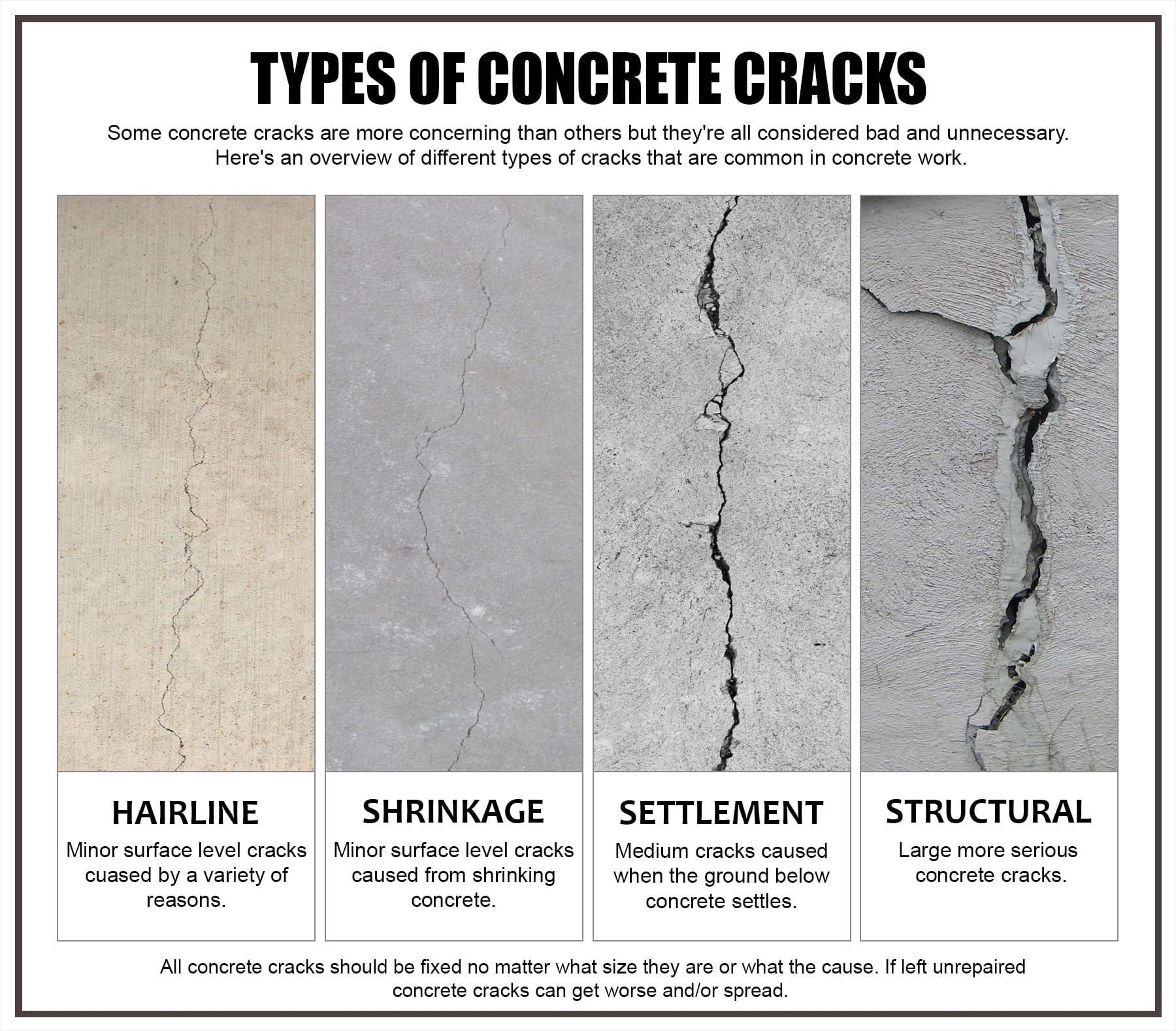
Learn the most common types of concrete cracks, what causes them, and when repairs are needed. A helpful homeowner’s guide to protecting your concrete surfaces.
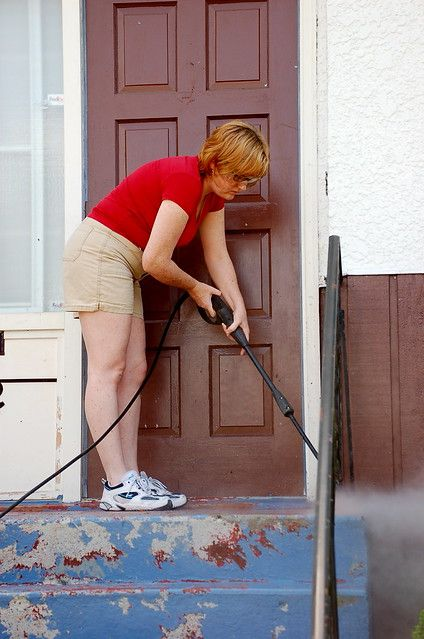
Learn how to clean concrete driveways, patios, and sidewalks with simple tools, safe cleaners, and step-by-step methods to remove dirt, oil stains, and algae.
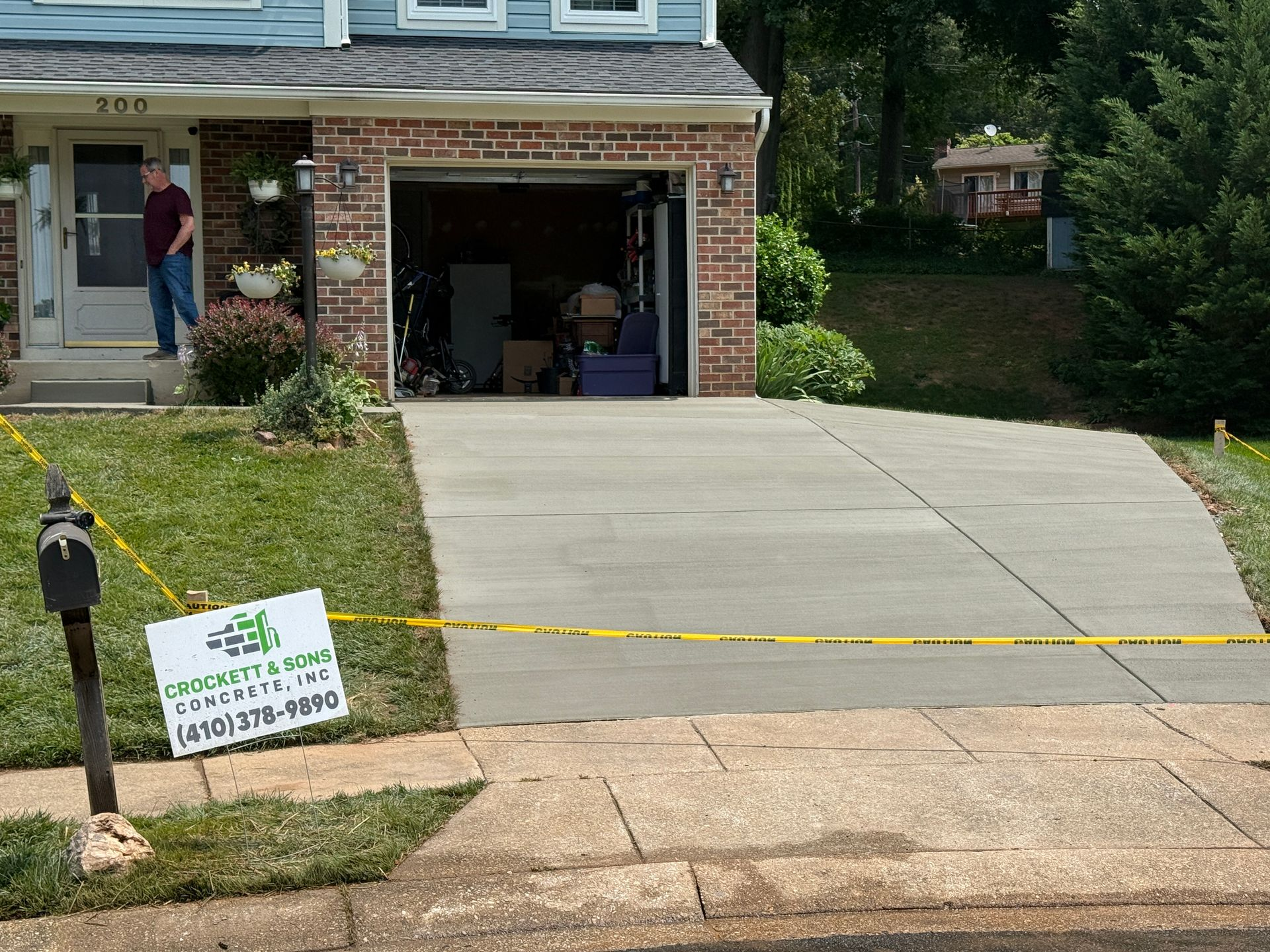
Learn what concrete PSI means and how to choose the right strength for driveways, patios, sidewalks, and slabs to ensure durable, long-lasting concrete.
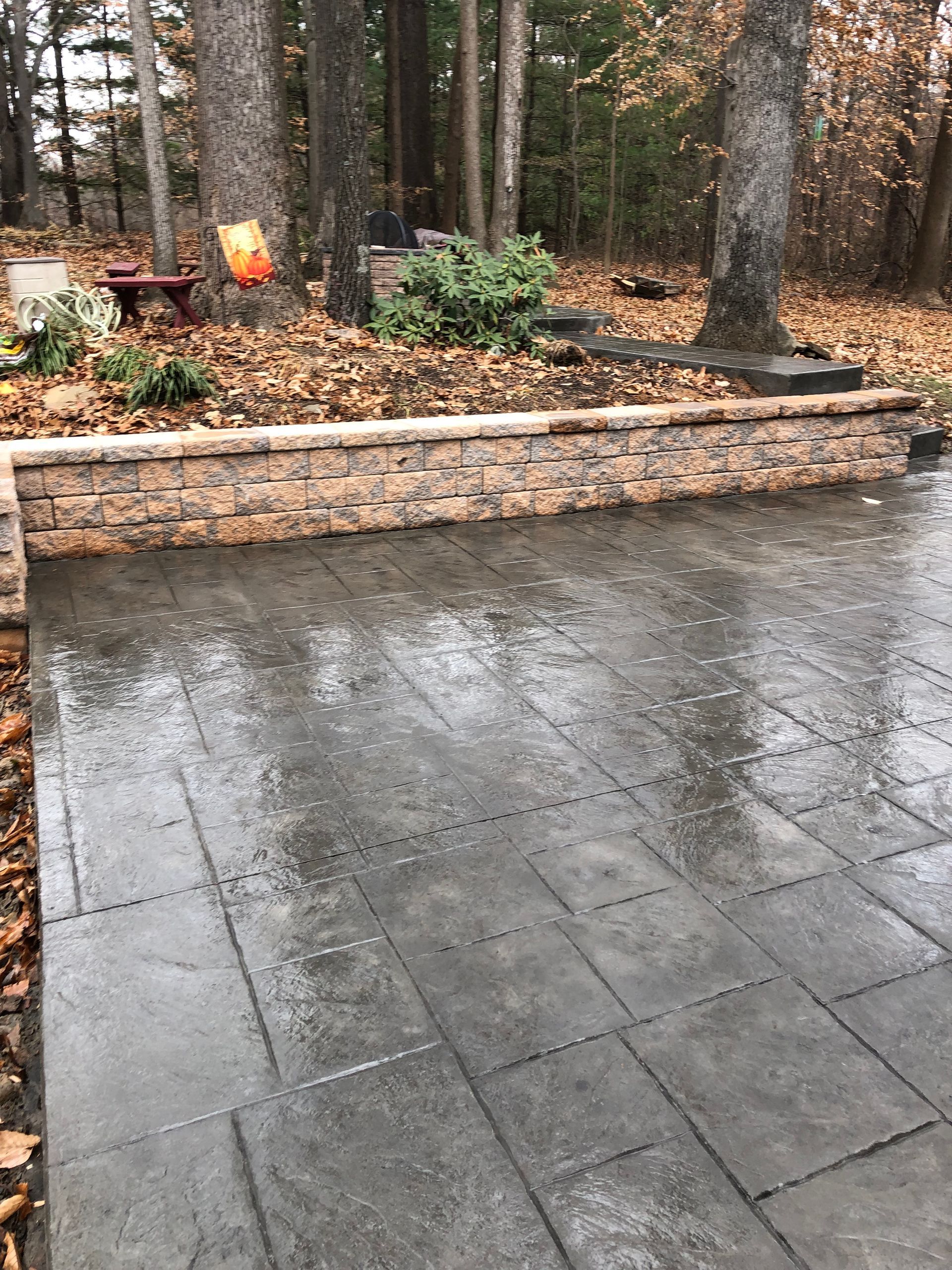
Upgrade your patio, driveway, or walkway with decorative stamped concrete. Crockett & Sons Concrete, delivers durable, custom designs with professional installation
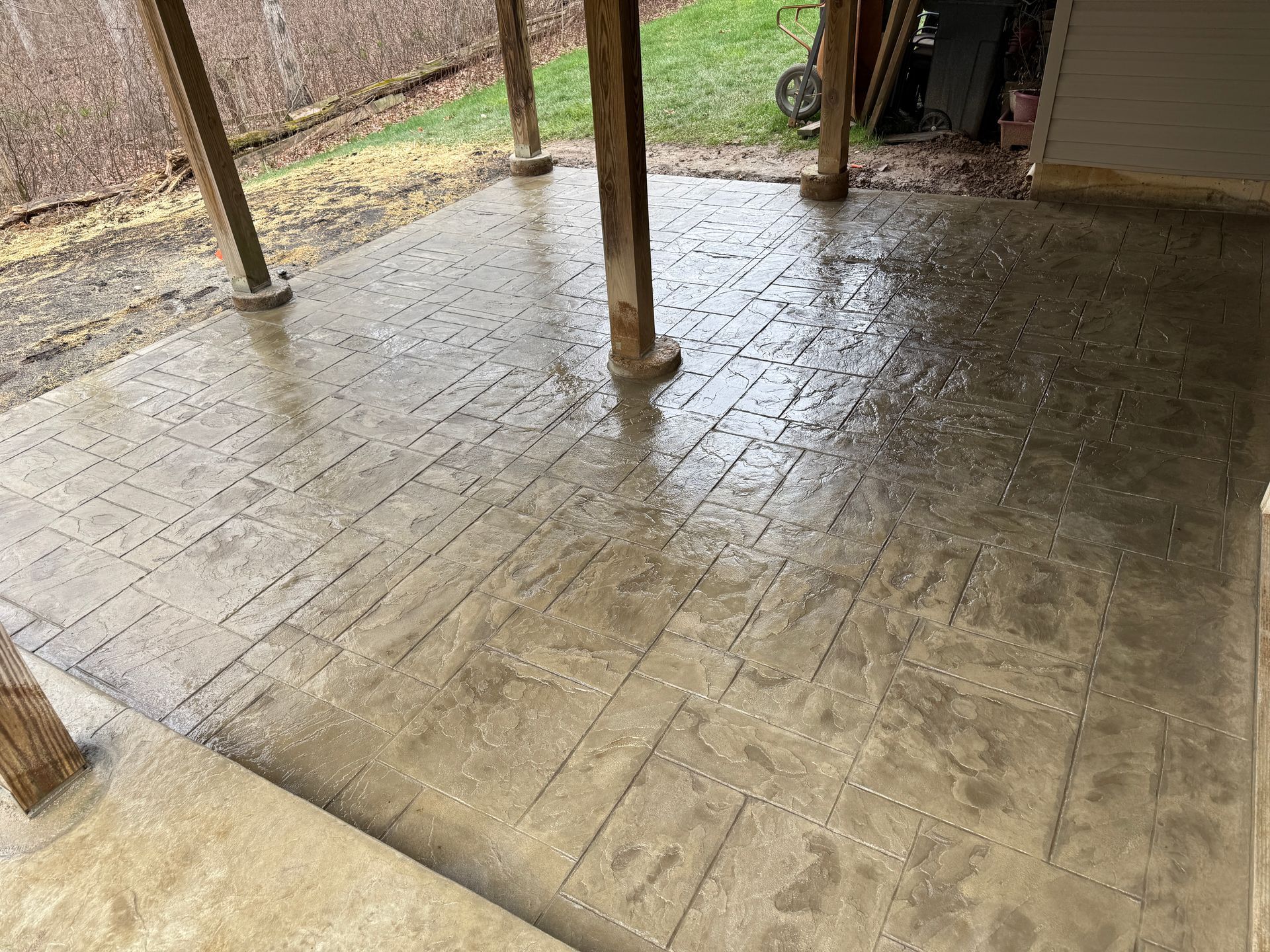
Considering a concrete patio vs. a deck in Aberdeen, MD? Learn why concrete patios (including stamped and colored options) outperform wood decks
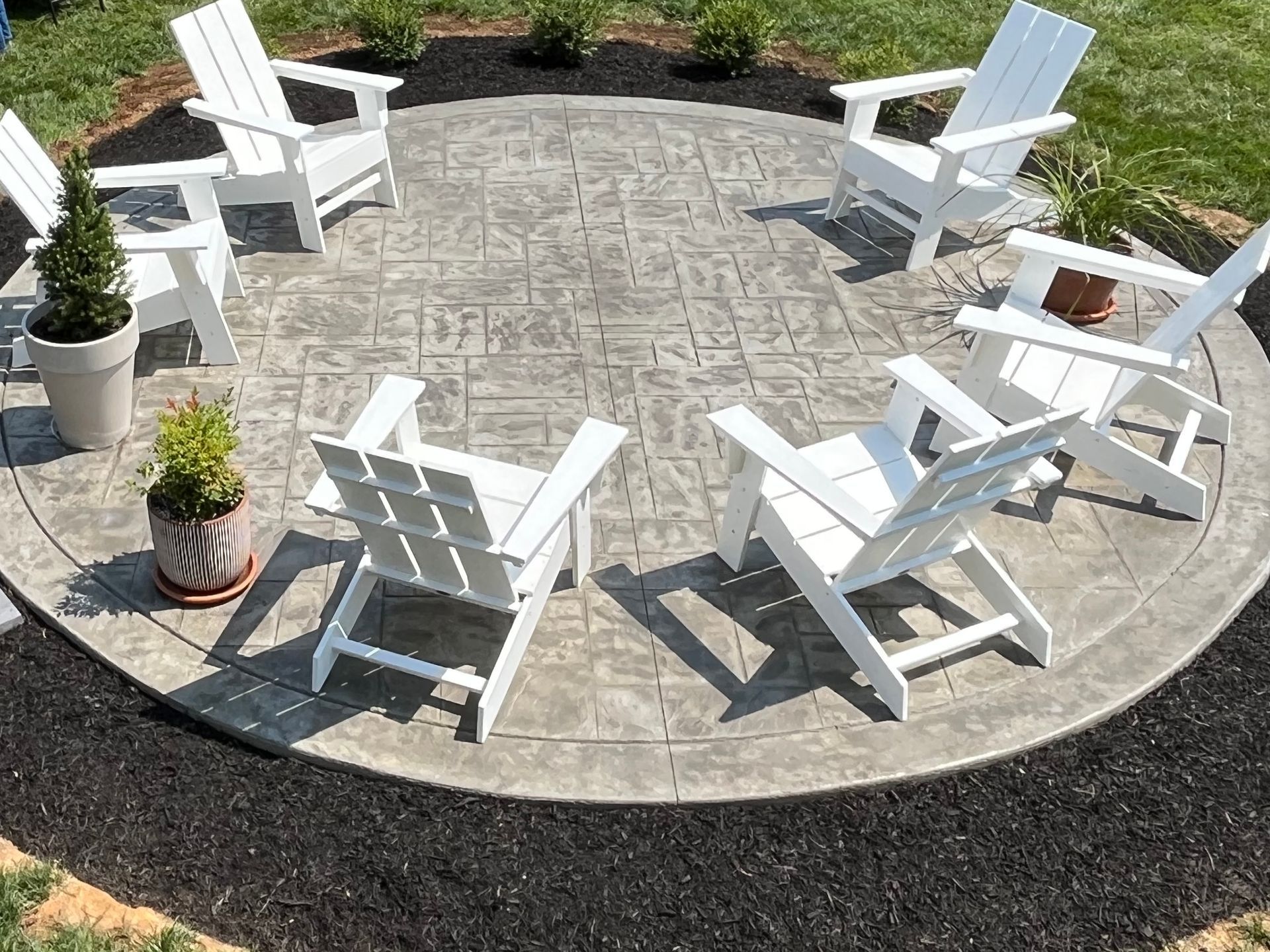
Learn how cold Bel Air winters affect concrete, when it’s safe to pour in winter, and expert tips to prevent cracks, scaling, and freeze–thaw damage.
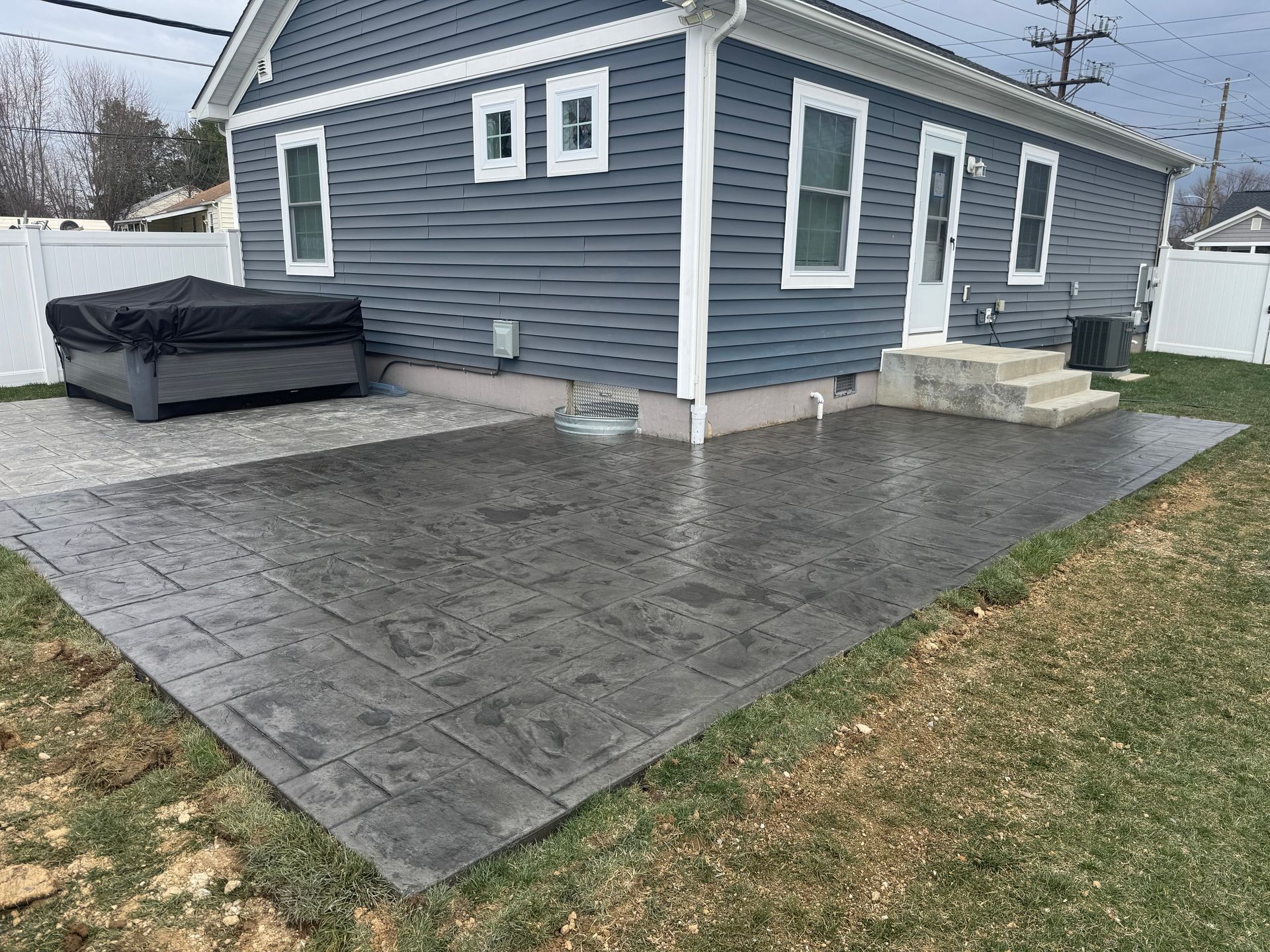
Discover the differences between pavers and concrete, including cost, durability, maintenance, and best uses to help homeowners choose the right option.
Learn how Fibermesh reinforcement strengthens concrete patios, driveways, and sidewalks with improved durability, crack resistance, & long-lasting performance.