Why Tree Roots Lift Sidewalks and How to Repair the Damage Without Removing the Tree
A mature tree can add shade, character, and value to a property, but its roots can sometimes create problems for nearby sidewalks. As roots grow and the surrounding soil changes, sections of concrete may crack, rise, or become uneven. The resulting surface can make walking more difficult and create a potential trip hazard.
Removing the tree is not always necessary to address the damage. Depending on the tree's condition, the extent of the root growth, and the sidewalk layout, there may be ways to repair the walkway while reducing the risk of further harm to the tree.
Before deciding on a repair, homeowners should understand what is causing the concrete to move and whether the proposed solution could affect the root system. A qualified concrete sidewalk contractor can assess the damaged walkway and help determine what concrete work is appropriate. When root pruning or other work affecting the tree is being considered, an arborist should also be involved.
Why Do Tree Roots Lift Concrete Sidewalks?
Tree roots grow through the soil in search of water, oxygen, and nutrients. Many important roots develop relatively close to the ground surface, where soil conditions can support their growth.
When a sidewalk is installed near an established tree, the available space for roots and the location of the concrete can create conflicts. Roots may grow beneath the walkway, while changes in root size and surrounding soil conditions contribute to movement in the concrete.
Several factors can influence the extent of the damage.
Shallow Root Growth
Some tree species develop extensive root systems near the soil surface. When roots grow beneath a sidewalk, they can contribute to lifting or unevenness, particularly when the available soil space is limited.
The size and location of the tree matter, but species alone cannot predict exactly where damage will occur. Soil conditions, available moisture, and the sidewalk's position also influence root development.
Soil Changes Around the Tree
Soil moisture, compaction, and changes in the surrounding ground can affect both roots and the support beneath a sidewalk. In some cases, the damage may involve more than a root physically pushing against the concrete.
This is why contractors should examine the surrounding area rather than assuming every crack or raised section is caused solely by root growth.
Limited Space for Mature Roots
Sidewalks, curbs, driveways, and other hard surfaces can restrict the space available for root development. Where mature trees have limited room to grow, conflicts between roots and paved surfaces can become more likely.
When planning a replacement sidewalk, the relationship between the tree, the available soil, and the walkway layout deserves attention.
How to Tell Whether Tree Roots Are Damaging Your Sidewalk
Not every uneven sidewalk has a root-related cause. Before selecting a repair, look for signs that help identify the problem.
- Raised concrete sections: One section of the walkway sits higher than the next, sometimes near a nearby tree.
- Cracks close to tree roots: Cracking or lifting occurs where roots are visible or suspected beneath the surface.
- Changes in the sidewalk's slope: Water drains differently or collects in an area that was previously level.
- Recurring damage after repairs: The same section becomes uneven again, suggesting that the underlying cause may not have been addressed.
These observations can help identify where an assessment is needed, but they do not establish the condition of the tree's root system. The cause of the movement should be evaluated before excavation or root cutting begins.
For further information about sidewalk hazards, see Crockett & Sons Concrete's related article on why uneven sidewalks become dangerous.
How Can You Repair a Root-Damaged Sidewalk Without Removing the Tree?
The right approach depends on the severity of the damage, the location of the roots, the tree's stability, and the amount of room available for a redesigned walkway.
1. Replace Only the Damaged Sidewalk Sections
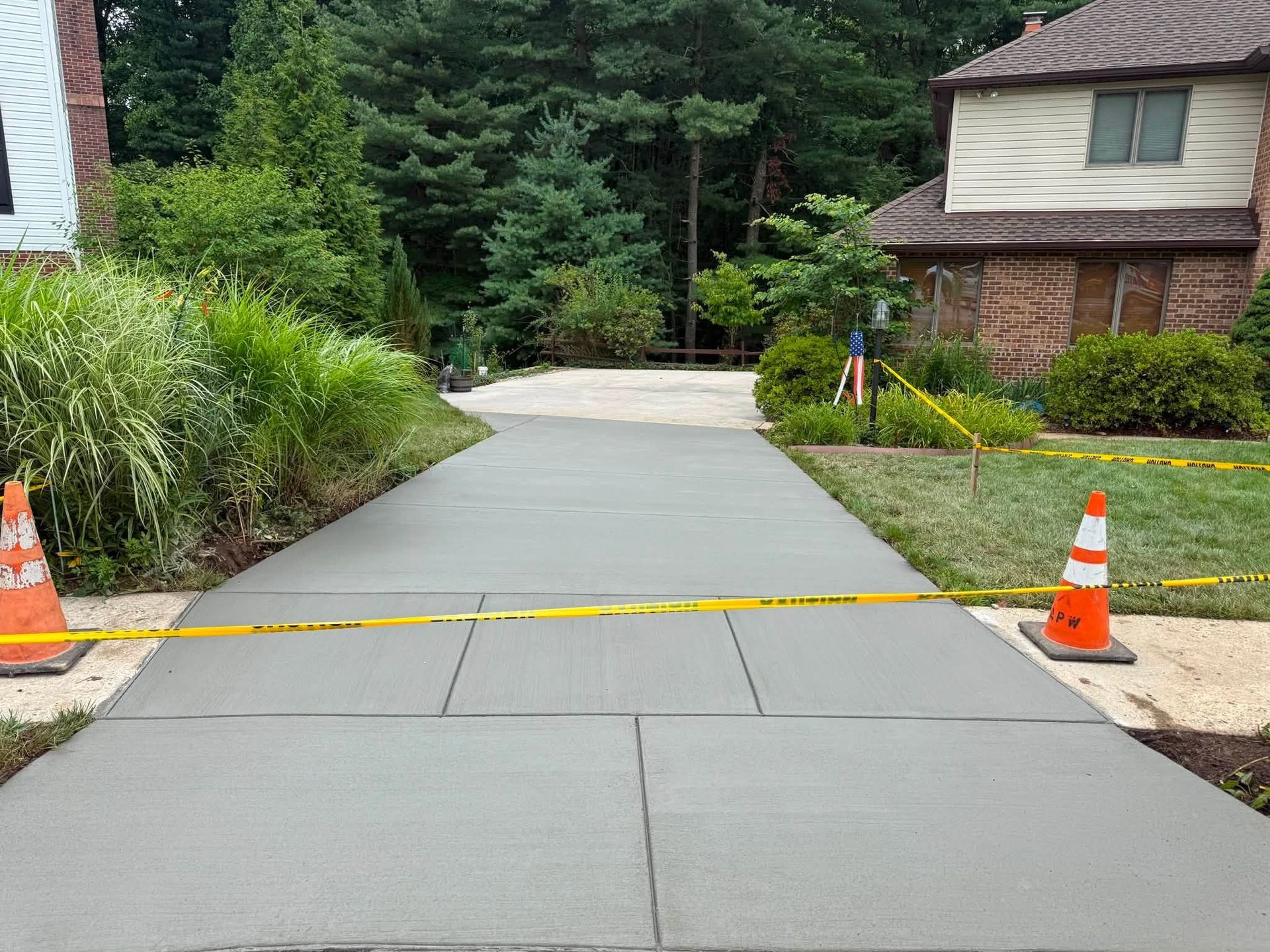
When the damage is limited to a particular section, replacing the affected concrete may be an option instead of removing the entire sidewalk.
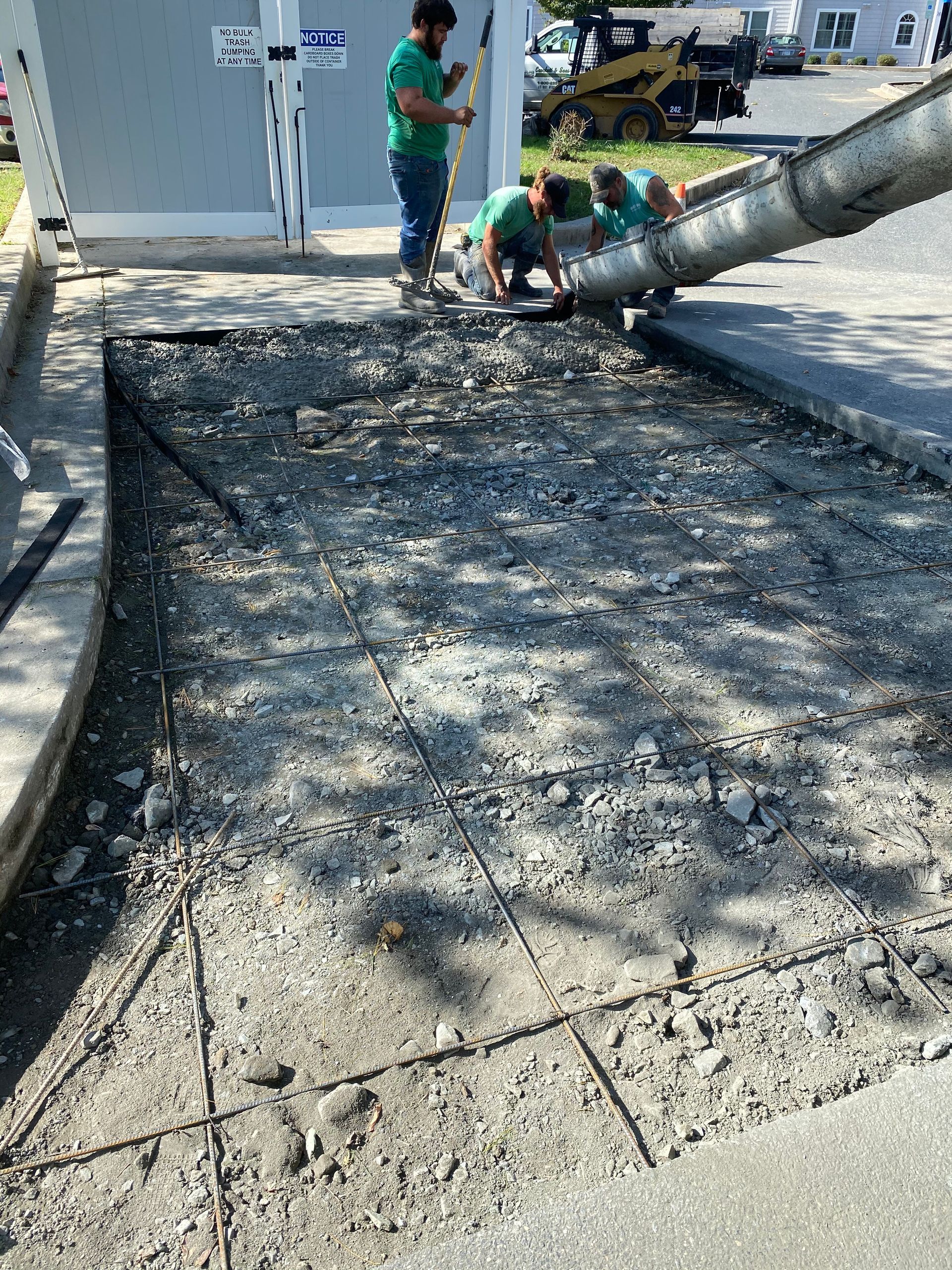
The contractor can evaluate the damaged area, determine what demolition is required, and prepare a suitable base for the replacement concrete. However, removing the concrete does not resolve the underlying root conflict by itself.
Before excavation begins, the location and likely extent of the roots should be considered. Work near significant roots may require an arborist's assessment to reduce the risk of damaging the tree.
Replacing a small section may restore a more even walking surface, but future root growth can still affect the new concrete if the underlying conflict remains.
2. Adjust the Sidewalk Layout Where Space Allows
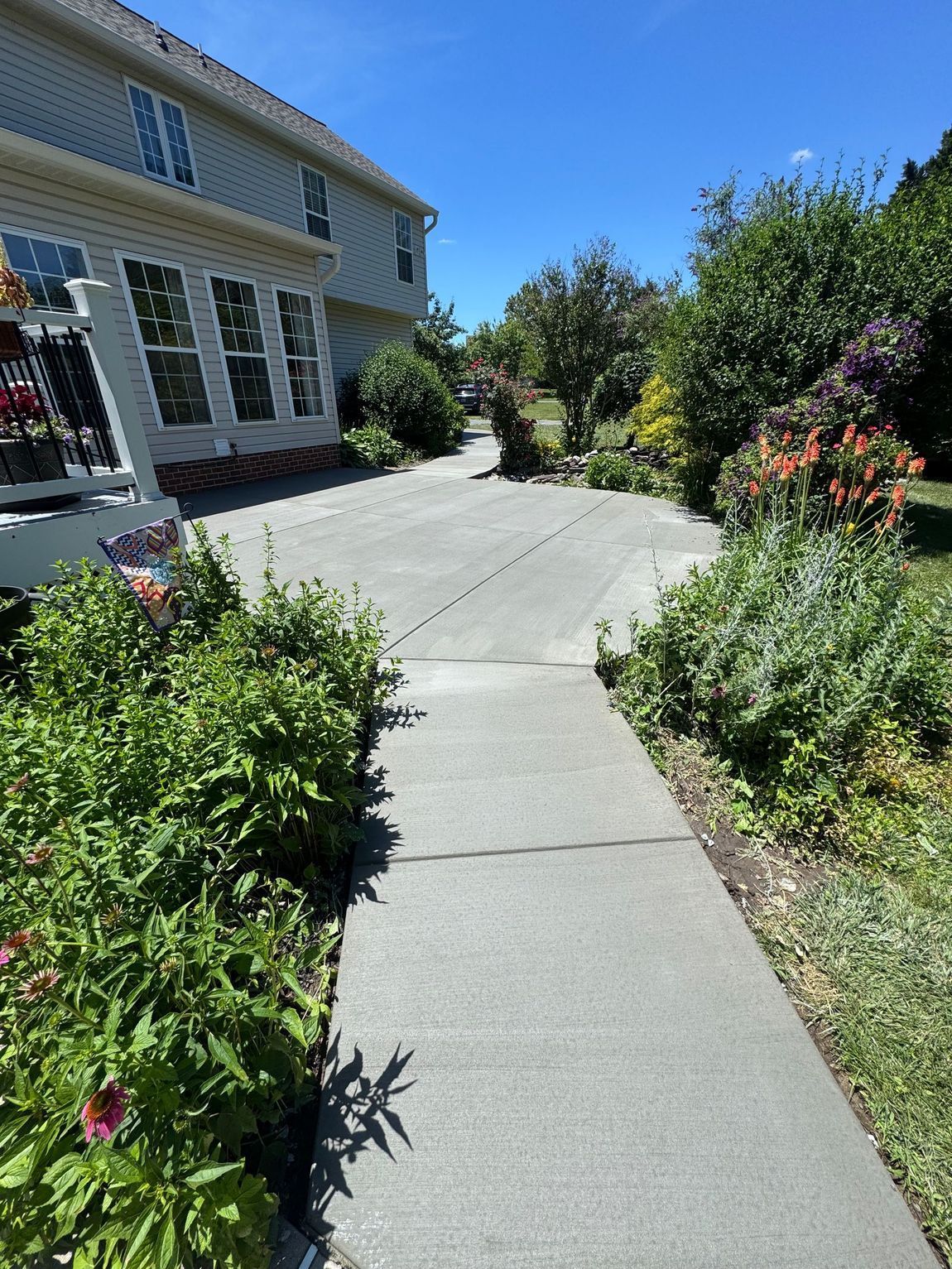
In some situations, changing the path of the sidewalk can reduce interference with important roots. A slight curve or a different alignment may allow the walkway to pass around a tree rather than directly over a problem area.
Whether this is practical depends on the available space, property boundaries, accessibility requirements, and any applicable local regulations.
The redesigned route must also maintain a suitable walking surface and appropriate transitions. Moving the sidewalk is not always possible, but it may be worth considering when preserving an established tree is a priority.
3. Consider a Suitable Alternative Sidewalk Design
Where site conditions permit, a redesigned walkway may help accommodate the existing tree and reduce the likelihood of repeated concrete damage.
Possible approaches include adjusting the walkway alignment, allowing more room for root growth, or evaluating a suitable flexible or modular paving system. These options are not interchangeable, and each has different maintenance, accessibility, and installation requirements.
A reinforced concrete sidewalk may be appropriate for certain structural requirements, but reinforcement does not prevent roots from growing or guarantee that the surface will not lift.
The chosen design should address the specific conflict between the roots and the walkway rather than simply adding more concrete or reinforcement.
4. Have an Arborist Assess Whether Root Pruning Is Appropriate
Cutting a root can affect a tree's health and stability. The risk depends on factors such as the root's size, location, proximity to the trunk, and the tree's overall condition.
Root pruning should therefore not be treated as a routine step in sidewalk replacement. A qualified arborist can assess whether a particular root can be pruned safely and explain the potential consequences.
The University of Maryland Extension notes that construction activities, including sidewalk excavation, can damage tree roots and that the effects may not become apparent immediately. The extent of the damage and the portion of the root system affected influence how well a tree recovers.
Read the University of Maryland Extension's guidance on damaged tree roots for more information.
If pruning is not appropriate, changing the walkway layout or considering another repair strategy may be preferable.
What About Root Barriers?
Root barriers are sometimes used to guide root growth away from paved surfaces or other structures. Their suitability depends on the tree, the soil, the available space, and the proposed installation.
A barrier is not a guaranteed solution for an existing root problem. Installing one may require excavation near the tree, which can itself damage roots. Poor placement or an unsuitable design may also fail to prevent future conflicts.
Before installing a barrier, have the site assessed to determine whether it is appropriate and how it could affect the tree's root system.
When Is Concrete Replacement Necessary?
Replacement may be the most practical option when a sidewalk has substantial cracking, significant changes in elevation, or damage that cannot be corrected through a limited repair.
However, replacing the concrete does not automatically solve the root problem. If the new walkway follows the same alignment and covers the same root area, the conflict may return.
Before rebuilding, consider:
- The extent of the existing concrete damage.
- The location and importance of the nearby roots.
- Whether the sidewalk route can be adjusted.
- The requirements for a stable base and proper drainage.
- Accessibility, safety, and local sidewalk regulations.
- Whether an arborist should assess the tree before excavation.
A site-specific plan can help establish which repairs are practical and whether the proposed work is likely to address the cause of the damage.
How to Prevent Future Tree-Root Sidewalk Damage
There is no universal method for preventing roots from affecting every sidewalk, but planning can reduce conflicts between trees and paved surfaces.
Allow Adequate Space for Tree Growth
When installing a new sidewalk near a tree, consider the tree's expected mature size and the space available for root development. The layout should account for the surrounding landscape rather than focusing only on the immediate construction area.
Plan the Walkway Before Pouring Concrete
Review the proposed alignment, slope, and nearby trees before excavation begins. Where practical, adjusting the layout early may be easier than repeatedly replacing damaged sections later.
Protect Roots During Construction
Excavation, grading, and heavy equipment can damage roots or compact the surrounding soil. Where work is planned near an established tree, appropriate root protection measures should be discussed before construction starts.
An arborist can help identify sensitive areas and recommend precautions based on the tree and site conditions.
Inspect the Sidewalk Periodically
Check for new cracks, uneven joints, or changes in elevation, especially around established trees. Early inspection can help identify developing problems before the affected area becomes more difficult to use.
If the walkway becomes noticeably uneven, arrange an assessment rather than assuming that filling a crack will resolve the underlying issue.
Frequently Asked Questions
Can tree roots lift a concrete sidewalk?
Yes. Root growth and changes in surrounding soil conditions can contribute to sidewalk lifting and cracking. The extent of the damage depends on the tree, its root system, the soil, and the walkway's location.
Can a lifted sidewalk be repaired without cutting tree roots?
Sometimes. Options may include replacing the affected concrete, adjusting the sidewalk alignment, or evaluating a different walkway design. The appropriate solution depends on the location of the roots and the severity of the damage.
Is it safe to cut tree roots to repair a sidewalk?
Not automatically. Cutting roots can affect tree health and stability, especially when large or structurally important roots are involved. Have an arborist assess the tree before root pruning is considered.
Will thicker concrete prevent tree roots from lifting a sidewalk?
Not necessarily. A thicker slab does not prevent root growth or guarantee that the concrete will remain level. The design should address the root conflict, site conditions, and supporting base.
Do root barriers always prevent sidewalk damage?
No. Their effectiveness depends on the site, tree, barrier design, and installation. They may not be appropriate for every tree or existing sidewalk, particularly when installation could damage important roots.
When should I contact a concrete sidewalk contractor?
Contact a contractor when cracking, lifting, or uneven sections affect the sidewalk's condition or usability. If tree roots are suspected, explain the situation before work begins so the assessment can account for the nearby tree and any need for arborist involvement.
Find a Suitable Repair for Your Sidewalk
Tree roots and concrete do not always have to be an either-or decision. Depending on the damage and the tree's condition, replacing an affected section, adjusting the walkway layout, or considering a different design may provide a practical way forward.
Crockett & Sons Concrete, Inc. provides concrete sidewalk installation and replacement services. Homeowners can contact the team to discuss the damaged walkway and request an estimate.
When tree roots are involved, the best next step is to evaluate both the concrete and the potential impact of the proposed work on the tree before choosing a repair.