Licensed vs. Unlicensed Concrete Contractors in Maryland: What Homeowners Should Know
Hiring a contractor for a new driveway, patio, or sidewalk involves more than comparing estimates. Homeowners also need to understand who they are hiring, whether the contractor has the required credentials, and what protections apply if the project does not go as planned.
When researching concrete companies in Maryland, one of the first steps is to determine whether the proposed work requires a license from the Maryland Home Improvement Commission (MHIC). Maryland's licensing rules cover many residential improvement projects, including driveway and patio work. However, requirements can vary depending on the type of work being performed.
Checking a contractor's credentials before signing an agreement can help you make a more informed decision. It also gives you an opportunity to review the proposed work, ask questions about insurance, and understand the terms of the contract.
Does a Concrete Contractor Need a License in Maryland?
The MHIC licenses and regulates contractors who perform covered home improvement work in Maryland. Its official guidance specifically identifies residential driveway work and patio installation among the activities that require an MHIC contractor license.
The requirement is not simply a matter of whether a business describes itself as a concrete company. What matters is the nature of the work and whether it falls within Maryland's home improvement licensing rules.
For example, installing a residential concrete driveway or patio generally falls within the scope of home improvement work. Other activities may be treated differently depending on their circumstances.
Homeowners can consult the Maryland Home Improvement Commission's official licensing guidance to understand the requirements.
What Does an MHIC License Tell You?
An MHIC license indicates that a contractor has met the commission's licensing requirements. According to the state, contractor applicants must pass a licensing examination, demonstrate the required experience or related education, meet financial solvency requirements, and provide proof of liability insurance.
These requirements provide a baseline for evaluating a contractor. However, a license does not guarantee that every project will be completed without problems or that every aspect of the workmanship will meet a homeowner's expectations.
It is still important to review the contractor's experience with the specific type of concrete work you need, understand the written estimate, and clarify the project's scope before work begins.
What Are the Risks of Hiring an Unlicensed Contractor?
Hiring someone who does not hold a required license can create legal and financial complications. The specific risks depend on the circumstances, the agreement, and the protections available under applicable law.
1. You May Have Fewer Available Protections
Maryland operates a Home Improvement Guaranty Fund that can compensate eligible homeowners for certain monetary losses involving licensed contractors. The fund has specific eligibility requirements and limits, and it does not cover every dispute.
Work performed by an unlicensed contractor may fall outside these protections. Homeowners should understand that the availability of compensation depends on the applicable rules and circumstances of the claim.
Read the official MHIC information for details about the fund and its limitations.
2. The Project May Not Meet Your Expectations
A contractor's licensing status alone does not establish the quality of the finished concrete. However, hiring someone who is not legally authorized to perform the work can make the decision more complicated from the outset.
Before agreeing to a project, ask how the contractor plans to handle site preparation, drainage, concrete specifications, reinforcement where appropriate, and finishing. Request a written description of the work rather than relying only on verbal assurances.
For example, a residential driveway needs suitable support beneath the slab and drainage appropriate for the property. A patio also needs to account for surface slope and its relationship to the house. These details should be discussed before installation begins.
3. Insurance and Liability Need Careful Checking
Do not assume that a contractor has adequate insurance simply because they hold a license. Equally, do not assume that every unlicensed person lacks insurance.
Ask for confirmation of the contractor's current coverage and clarify what it includes. You should also ask whether workers are covered appropriately and who is responsible if property damage or an accident occurs during the project.
Maryland's licensing requirements include liability insurance for MHIC contractors, but checking the current status of the license and discussing coverage directly remain sensible precautions.
4. Disputes Can Become More Complicated
If a contractor abandons the project, fails to follow the agreement, or delivers work that does not meet the agreed specifications, resolving the dispute may require additional time and expense.
The available options depend on the contract, the nature of the dispute, and applicable law. An unlicensed contractor does not automatically leave a homeowner without legal remedies, but the absence of a required license can introduce additional complications.
A written agreement, payment records, project photographs, and documented communications can help establish what was agreed and what happened during the work.
How to Verify a Concrete Contractor's License in Maryland
Before hiring a contractor, take a few minutes to check the credentials rather than relying solely on advertising or recommendations.
Step 1: Ask for the MHIC License Number
Ask the contractor to provide their MHIC license number. Make sure the information relates to the contractor or business that will enter into the agreement with you.
If the contractor avoids the question or cannot provide the requested details, clarify the issue before proceeding.
Step 2: Check the Official Licensing Records
Use the state's official MHIC licensing resources to locate the appropriate verification service.
Check the contractor's name and license status. If anything is unclear, contact the commission for clarification rather than relying on an old document, a website badge, or a number provided without verification.
Step 3: Request Proof of Insurance
Ask for current evidence of liability insurance and clarify what the policy covers. If subcontractors will be involved, ask who is responsible for their work and what insurance arrangements apply.
A license and insurance serve different purposes. Verifying both helps you understand the contractor's credentials and the arrangements for managing potential risks.
Step 4: Review the Written Estimate and Contract
The agreement should explain the work being performed, the materials and specifications being proposed, the payment schedule, and how changes will be handled.
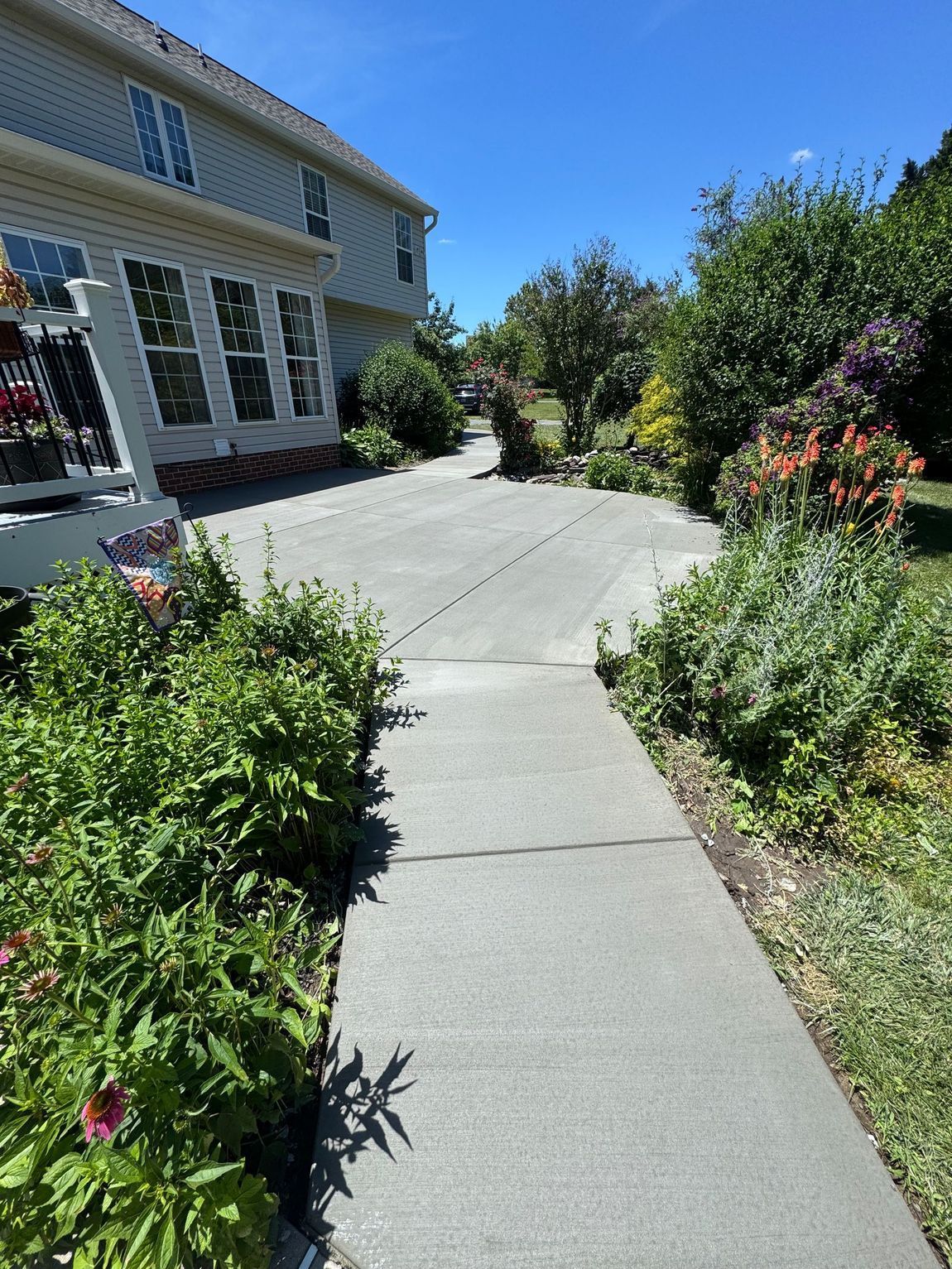
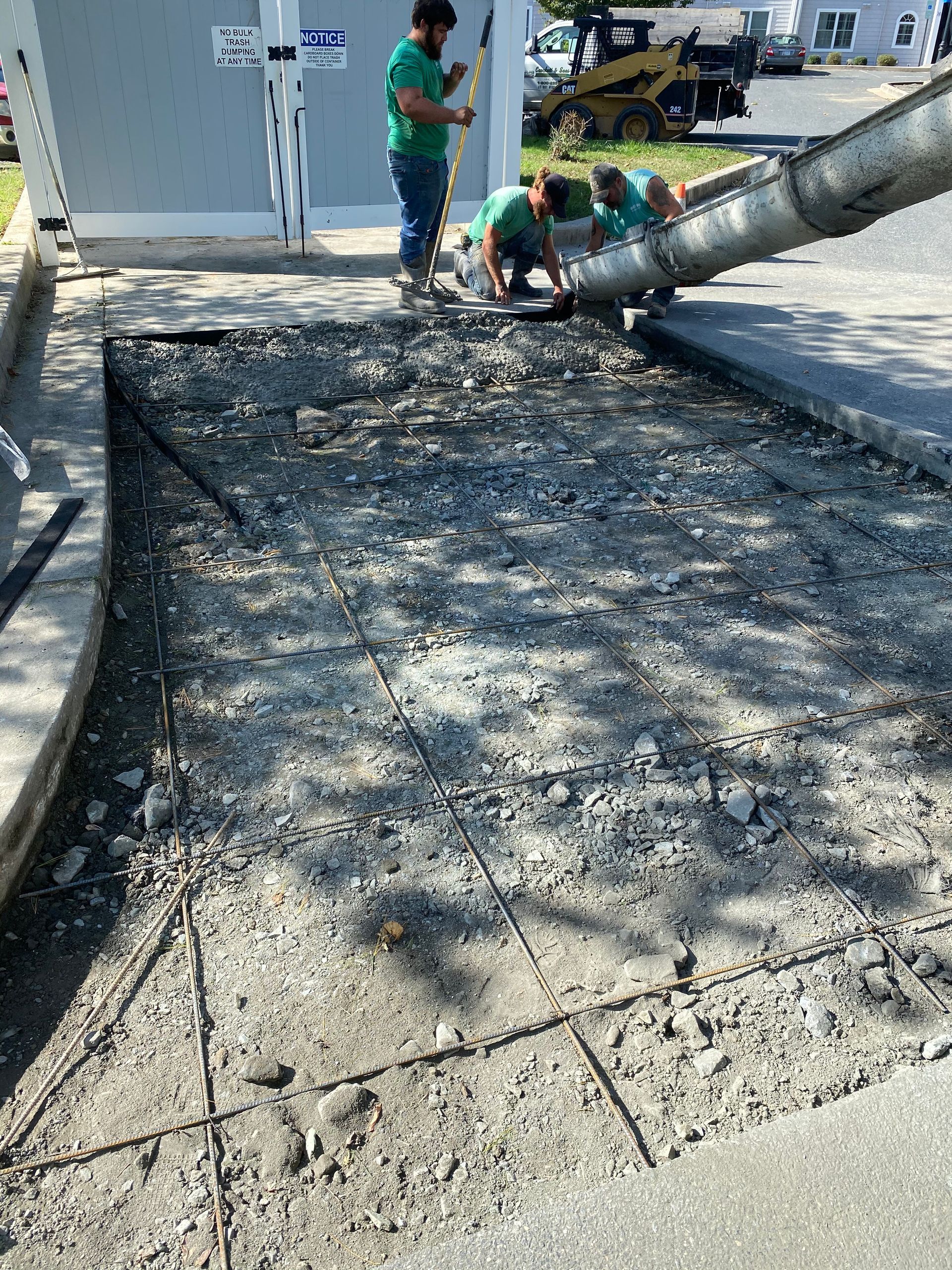
For a concrete driveway or patio, ask about excavation, base preparation, drainage, concrete specifications, finishing, cleanup, and any additional work that may affect the price.
A clear written scope makes it easier to compare estimates and address misunderstandings before construction starts.
What Else Should You Check Before Hiring a Concrete Company?
Licensing is an important part of the decision, but it is not the only factor worth considering.
Experience With Your Type of Project
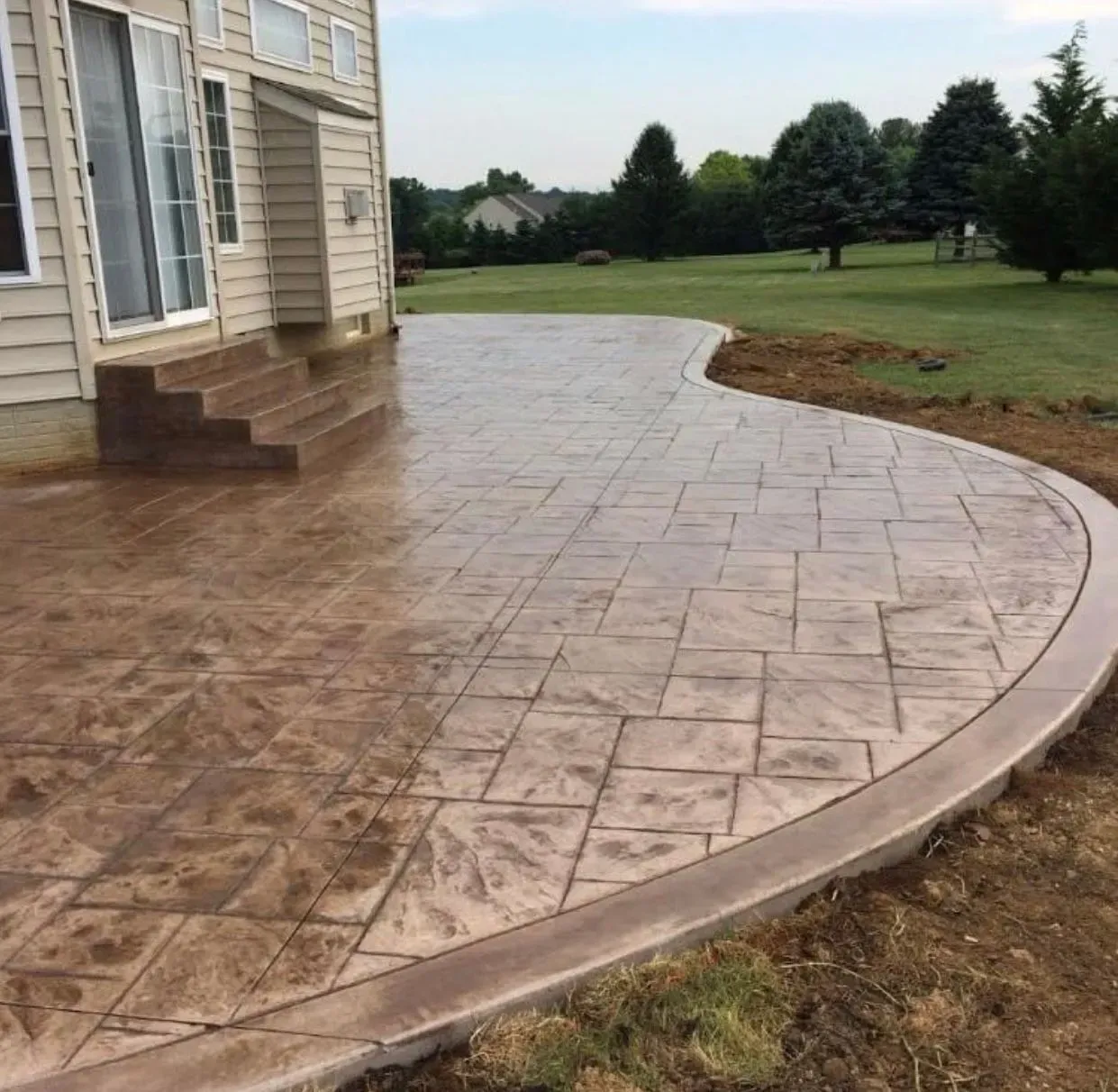
Ask whether the contractor has completed projects similar to yours. Installing a driveway, building a patio, and creating a decorative stamped concrete surface can involve different requirements.
Relevant project photographs and references can help you understand the contractor's experience. Ask specific questions about the work rather than relying on general claims about years in business.
A Clear Explanation of the Installation
A contractor should be able to explain the proposed work in terms you understand. This includes how the site will be prepared, how drainage will be addressed, and why the selected materials and specifications suit the project.
If two estimates differ considerably, ask each contractor to explain the differences. A lower price does not automatically mean corners will be cut, and a higher price does not automatically mean better work.
A Written Agreement and Payment Terms
Review the payment schedule before signing. Confirm what is included in the price, whether additional charges may apply, and how unforeseen site conditions will be handled.
Avoid relying on informal promises when important project details can be documented in writing.
Frequently Asked Questions
Do all concrete companies in Maryland need an MHIC license?
Not every activity performed by a concrete-related business necessarily falls under the same licensing requirement. However, residential home improvement work such as installing driveways and patios generally requires an MHIC-licensed contractor. Check the commission's guidance for the specific work involved.
How can I check whether a concrete contractor is licensed?
Ask for the contractor's MHIC license number and verify the details through the Maryland Home Improvement Commission's official licensing resources. Check the current status rather than relying solely on a contractor's website or promotional materials.
Does an MHIC license guarantee quality workmanship?
No. A license indicates that the contractor has met the applicable licensing requirements, but it does not guarantee a perfect project. Review relevant experience, the written scope of work, material specifications, and references before hiring.
Should I ask a licensed contractor for proof of insurance?
Yes. Ask for current evidence of liability insurance and clarify what the policy covers. You should also discuss responsibility for workers, subcontractors, and potential property damage.
Can I recover money if an unlicensed contractor does poor work?
Your options depend on the agreement, the circumstances of the dispute, and applicable law. Maryland's Home Improvement Guaranty Fund has eligibility requirements tied to covered work and licensed contractors, so homeowners should not assume that work performed by an unlicensed contractor qualifies for compensation through the fund.
What should I compare when reviewing concrete installation estimates?
Compare the scope of work, site preparation, proposed materials, concrete specifications, drainage considerations, finishing, cleanup, payment terms, and any stated warranty. Confirm licensing and insurance separately so that price is not the only basis for your decision.
Choose Your Concrete Contractor With Confidence
Checking licensing, insurance, experience, and written project specifications can help you make a more informed decision before committing to a concrete project. These steps also make it easier to compare contractors based on the work they propose and the protections available to you.
Crockett & Sons Concrete, Inc. offers concrete driveway and patio services. Homeowners can explore the company's concrete driveway services or concrete patio services to learn more about the available options.
Before hiring any contractor, verify the credentials relevant to your project, ask questions about the proposed work, and make sure the agreement clearly explains what you are paying for. You can also contact Crockett & Sons Concrete to discuss your project and request an estimate.