Concrete Reinforcement
John Crockett • March 10, 2025
Is FiberMesh reinforcement all I need in my concrete for our climate here in Harford and Cecil County, Maryland?
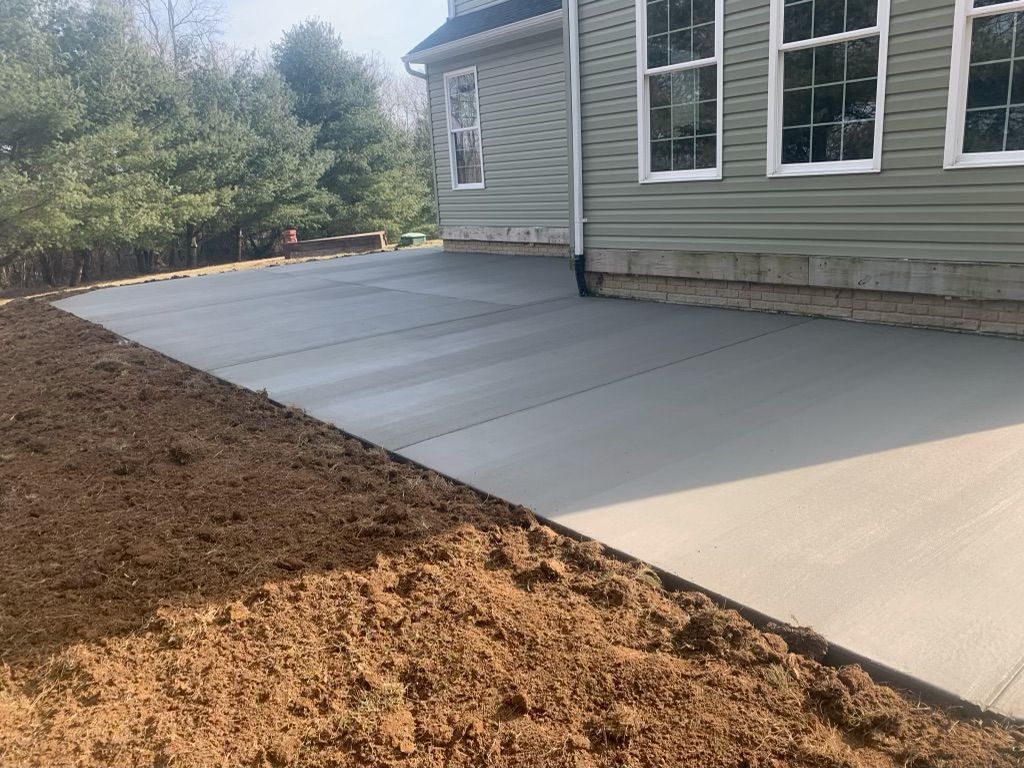
Is FiberMesh enough for my concrete project?
The short answer, after 30 years of removing and replacing concrete, in my opinion; is no. For my concrete and the concrete we install for our residential customers, FiberMesh will always be in the mix. However, it won’t be the only reinforcement in our concrete. We here at Crockett & Sons Concrete, Inc always use FiberMesh as a secondary form of reinforcement and use rebar or wire mesh as the primary. Let me explain. I’m not a concrete engineer. I don’t have the data on any laboratory tests. But what I do know is that when I am demolishing concrete and learn that FiberMesh is the only reinforcement, it makes me happy. On the other hand, if I see wire or rebar in the concrete that I’m tearing out, I know that I’m going to work a lot harder that day. When a slab with FiberMesh only meets a jackhammer, it splits apart almost as easy as concrete with no reinforcement at all. Where rebar and wire mesh will hold the concrete together and require a lot of prying, and excessive blows to get the concrete to break into pieces.
What does this mean for your slab?
If your slab is tested to the limits for whatever reason, cracks, base issues, freeze/thaw, heavy loads, etc. It will be the rebar and wire mesh that may help to save the slab or at least extend the life of it.
What’s better rebar or wire?
We use #3 rebar on 16-24” centers each way for typical light duty driveways, patio, and sidewalk applications. These will typically be poured at 4” thick of a 4000 psi mix and include FiberMesh. Unfortunately sometimes concrete cracks regardless if everything is done by the book. We love our friends over at FiberMesh. But if our concrete does crack we want the extra help from rebar to help keep your slab structurally sound for years to come.

Hiring an unlicensed contractor in Maryland can lead to poor workmanship, legal risks, and major expenses. Learn why an MHIC license protects homeowners.
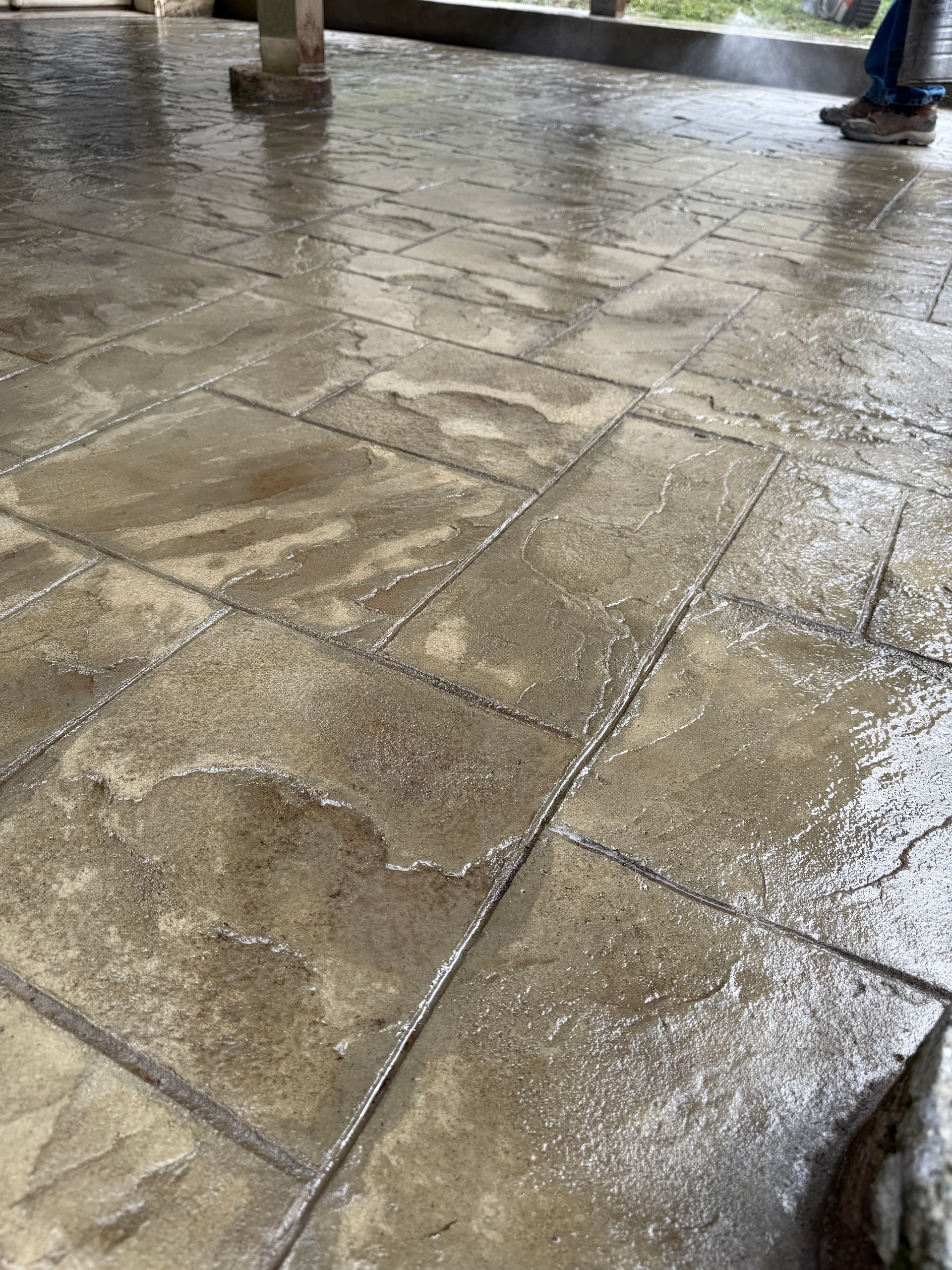
Learn how to make stamped concrete not slippery. Anti-slip tips for patios, pool decks & driveways in Cecil County MD & Chester County PA.
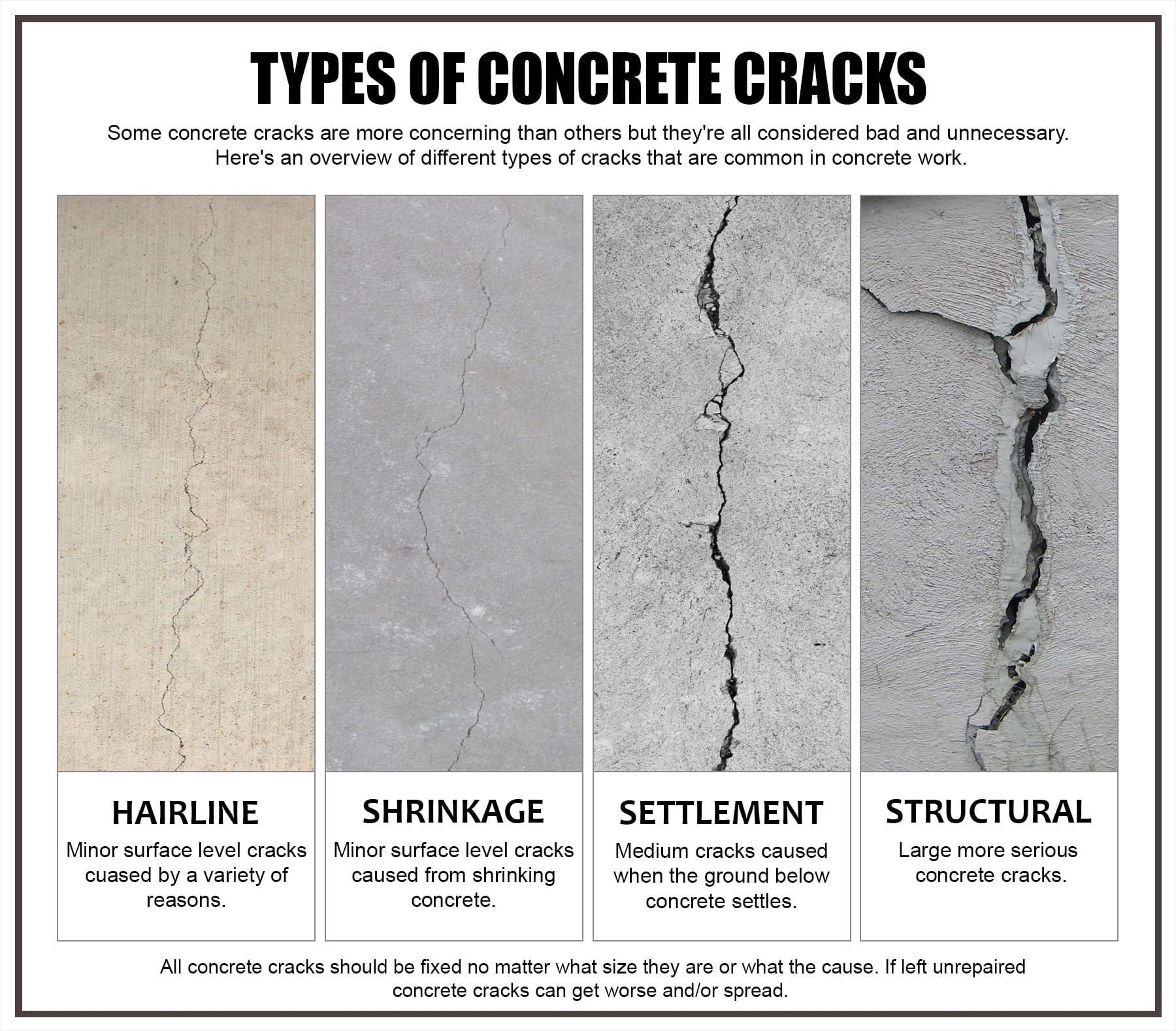
Learn the most common types of concrete cracks, what causes them, and when repairs are needed. A helpful homeowner’s guide to protecting your concrete surfaces.
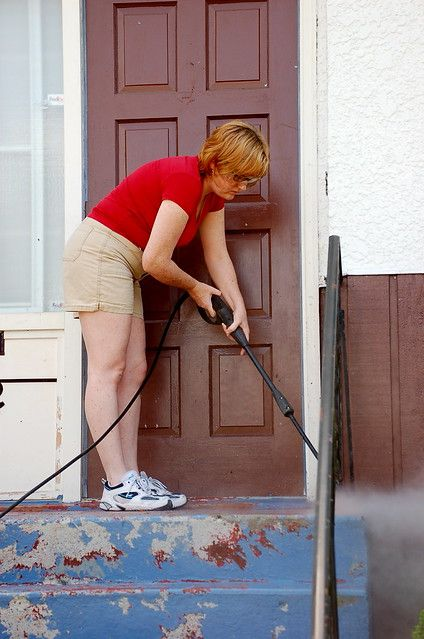
Learn how to clean concrete driveways, patios, and sidewalks with simple tools, safe cleaners, and step-by-step methods to remove dirt, oil stains, and algae.
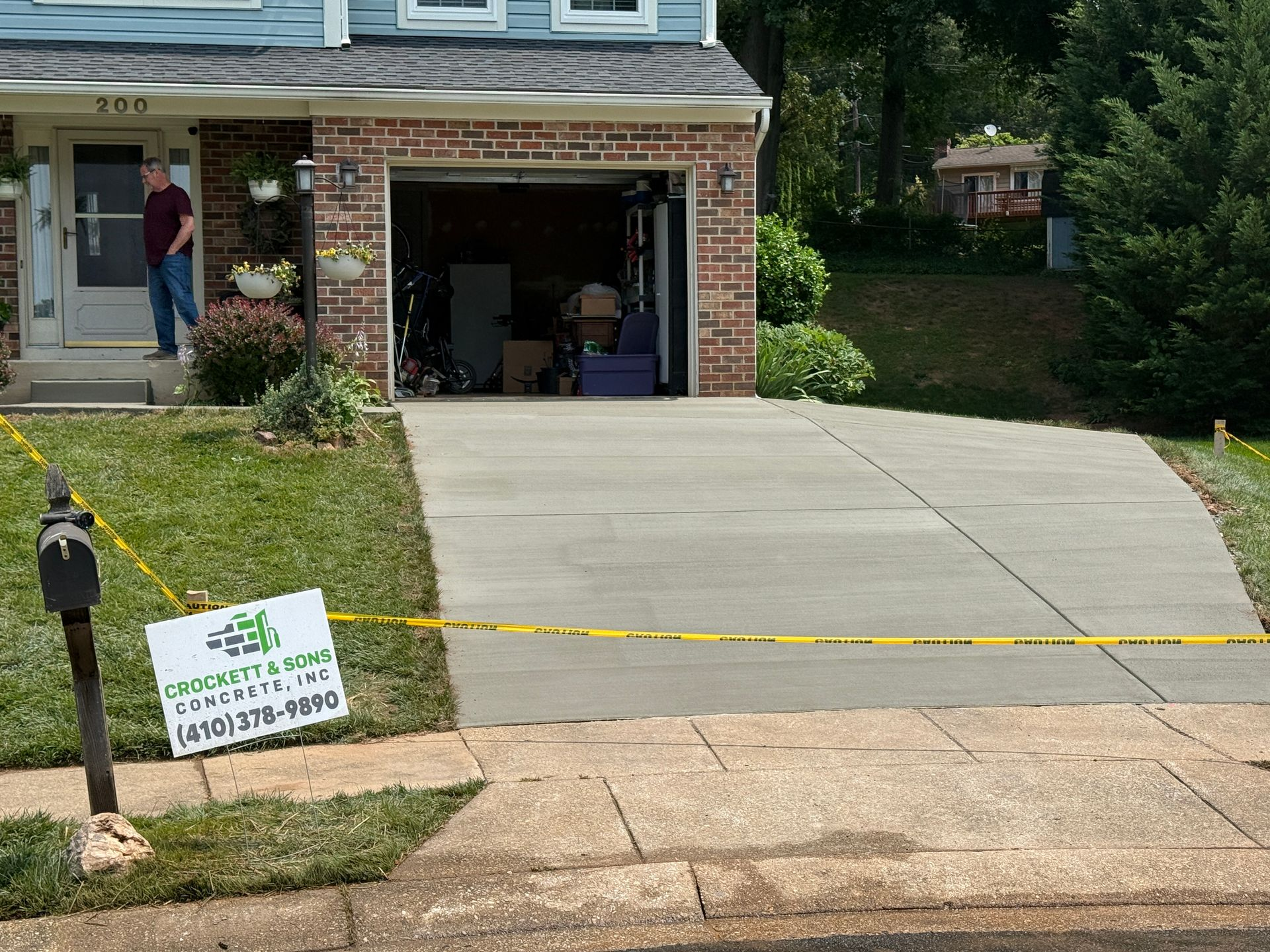
Learn what concrete PSI means and how to choose the right strength for driveways, patios, sidewalks, and slabs to ensure durable, long-lasting concrete.
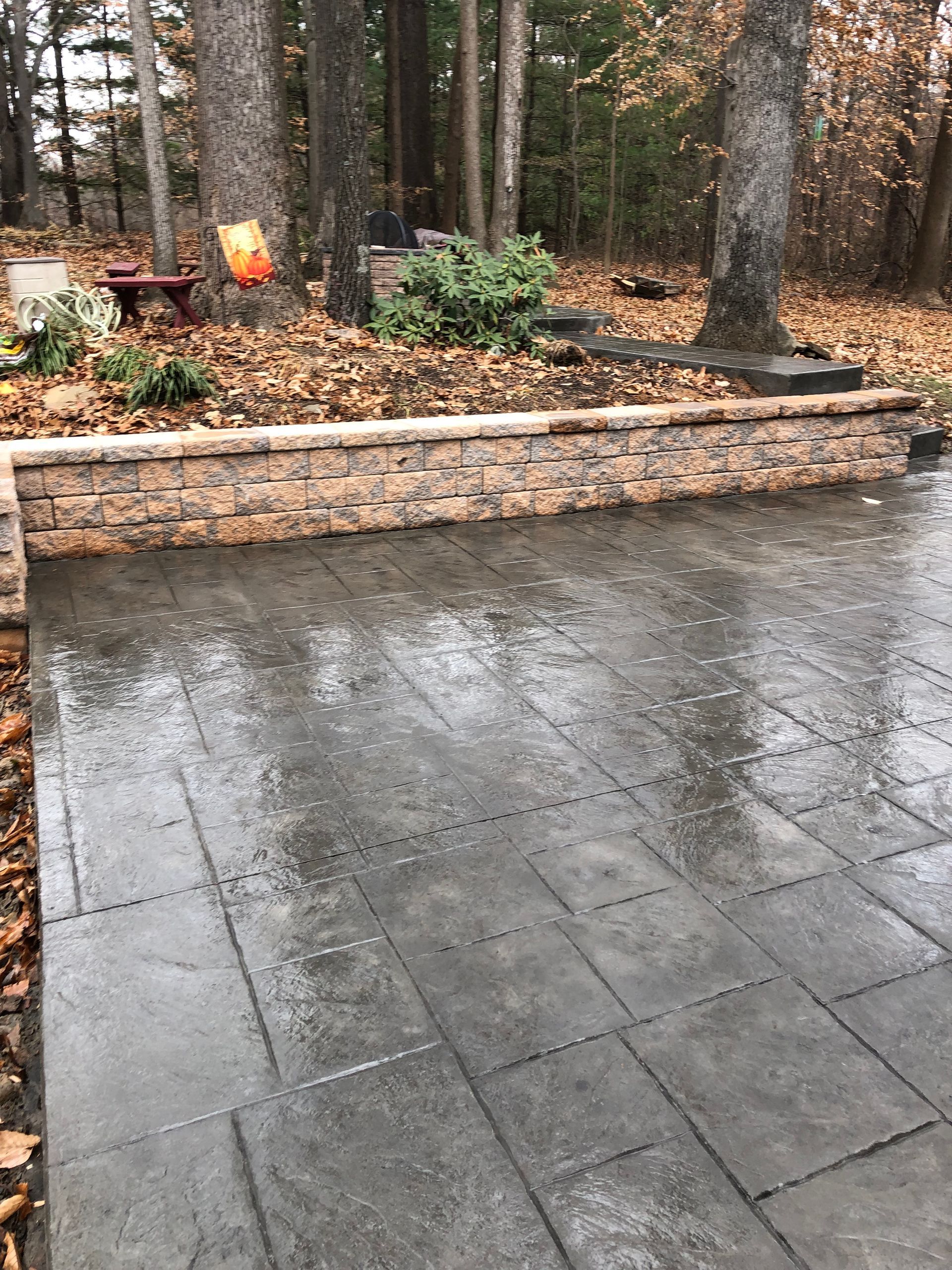
Upgrade your patio, driveway, or walkway with decorative stamped concrete. Crockett & Sons Concrete, delivers durable, custom designs with professional installation
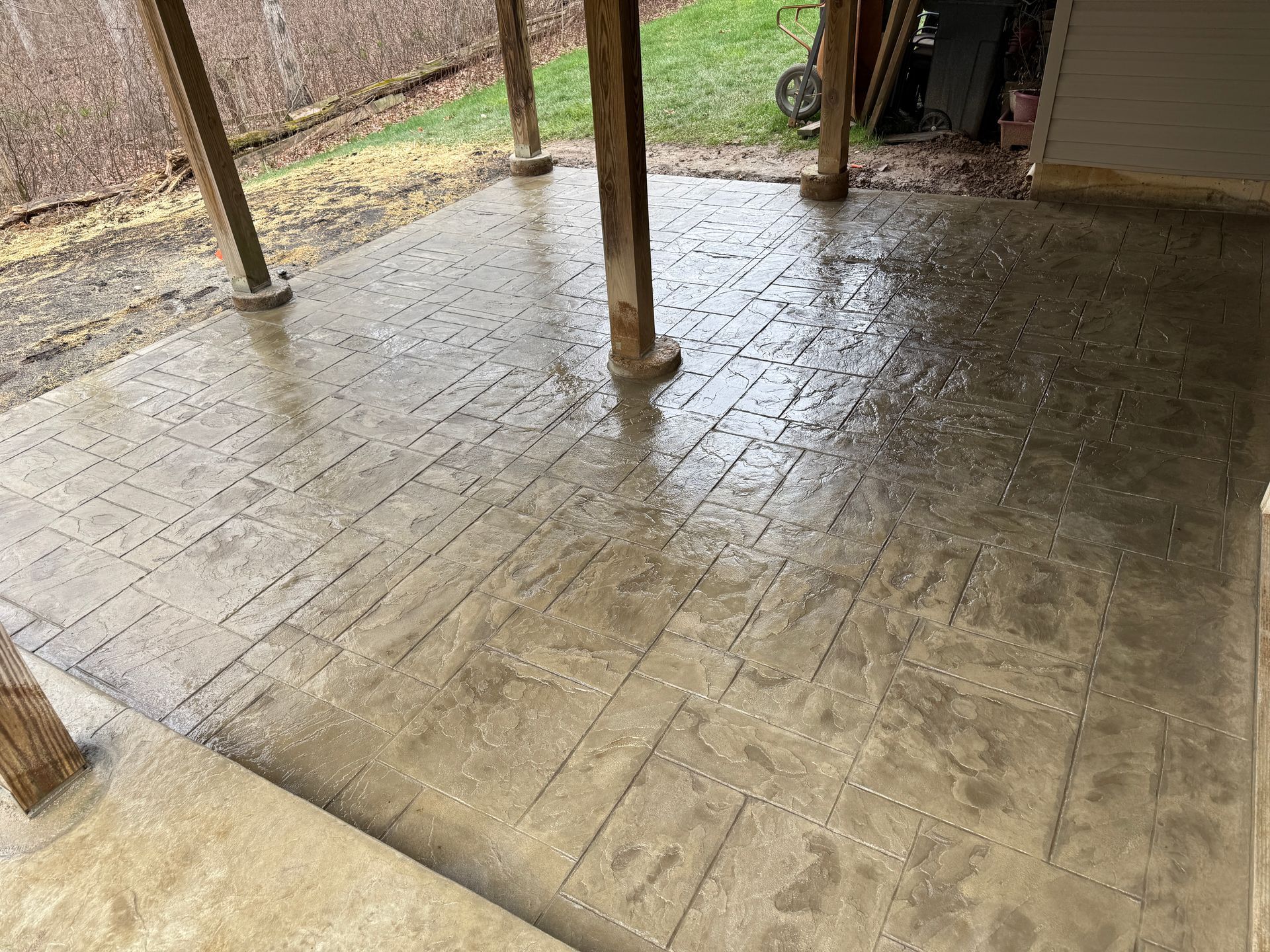
Considering a concrete patio vs. a deck in Aberdeen, MD? Learn why concrete patios (including stamped and colored options) outperform wood decks
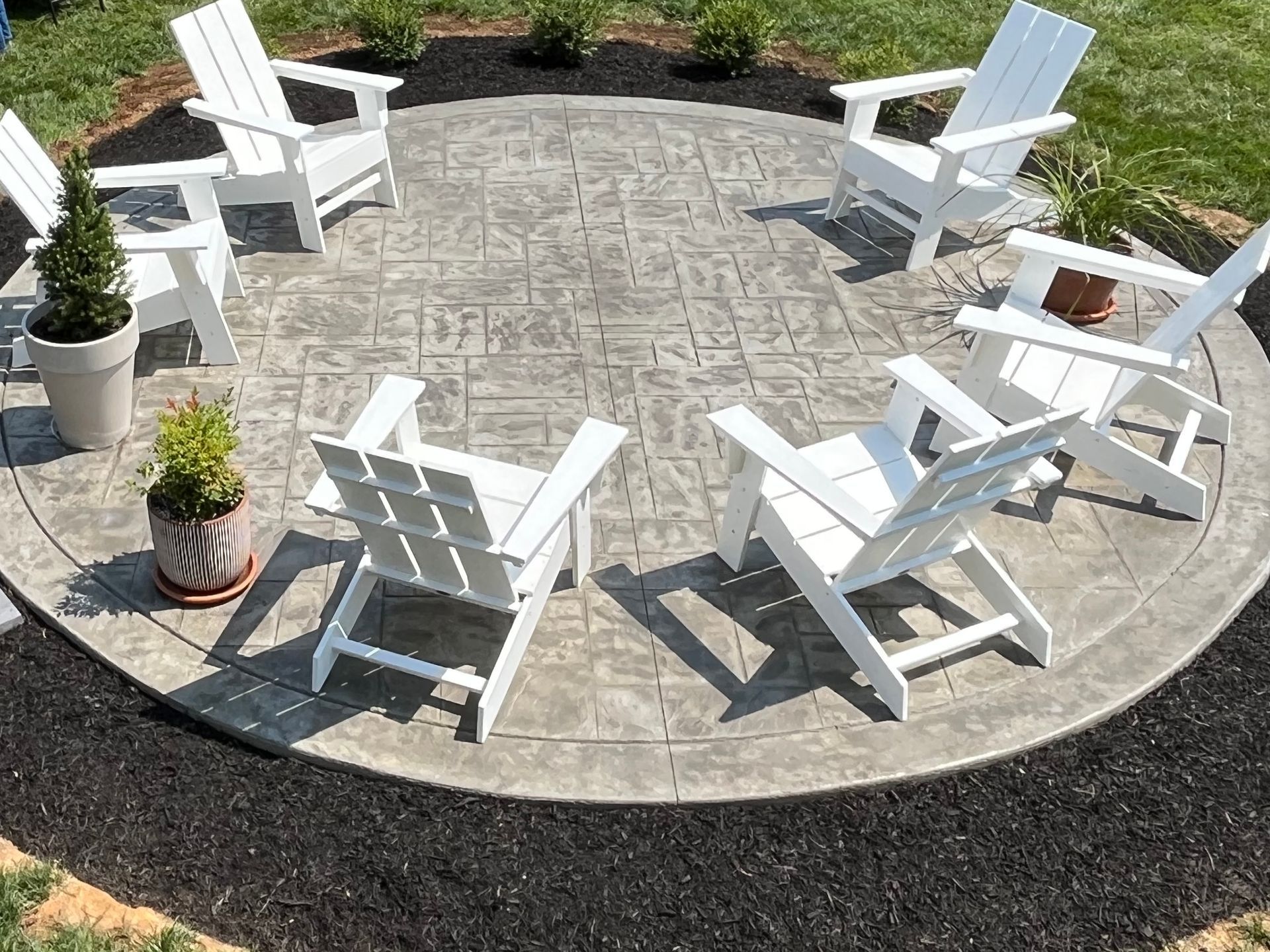
Learn how cold Bel Air winters affect concrete, when it’s safe to pour in winter, and expert tips to prevent cracks, scaling, and freeze–thaw damage.
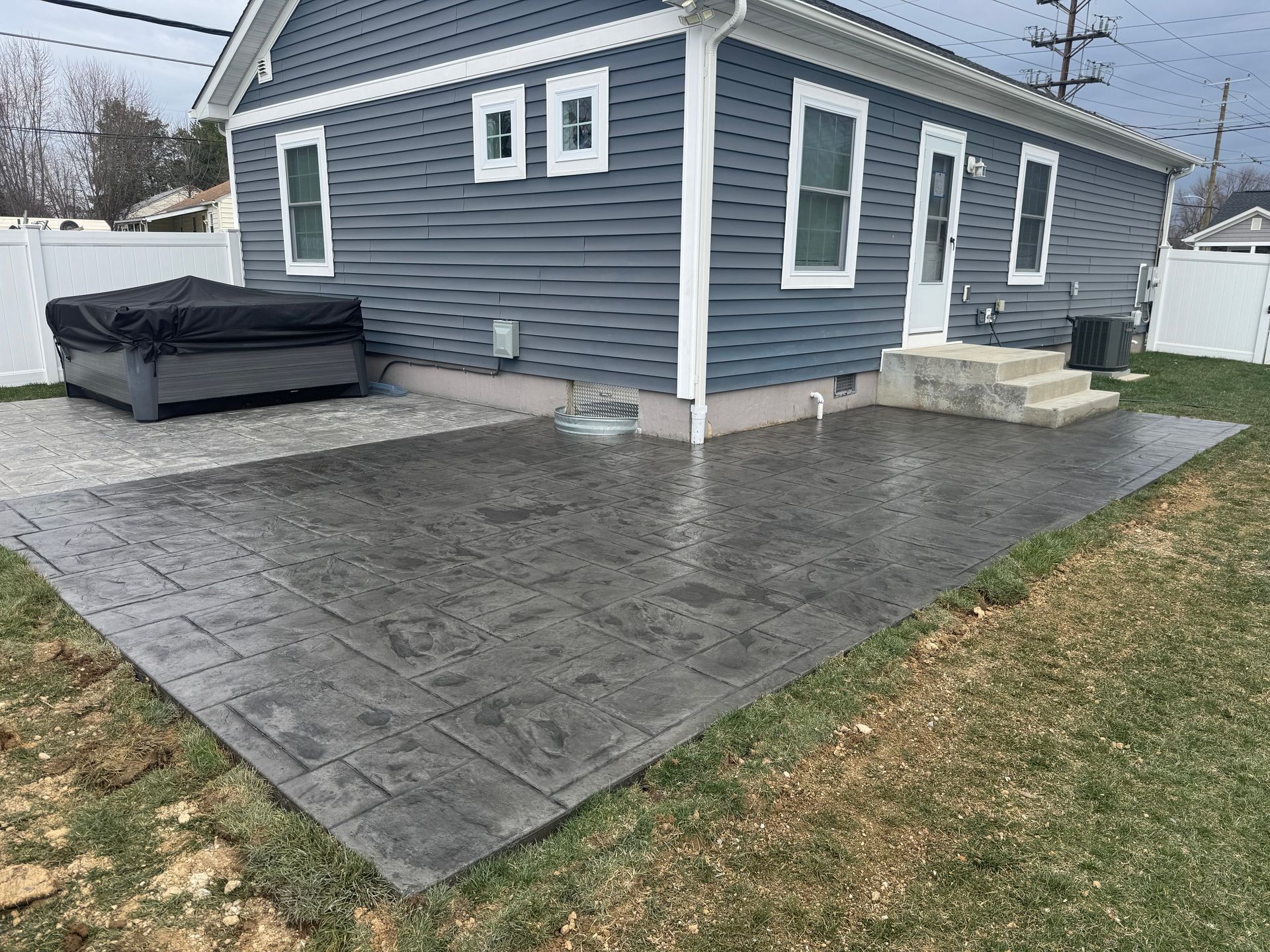
Discover the differences between pavers and concrete, including cost, durability, maintenance, and best uses to help homeowners choose the right option.
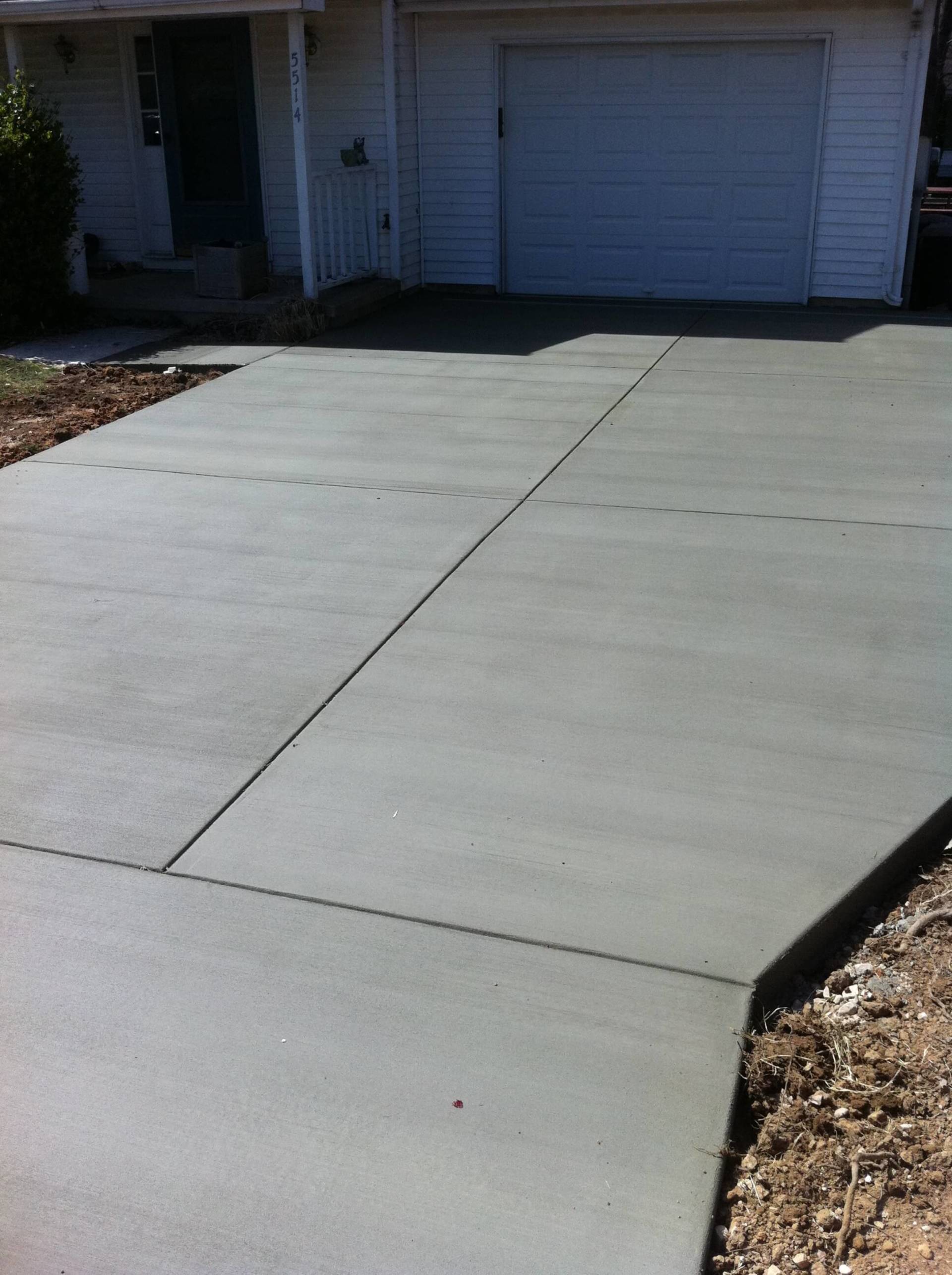
Learn essential concrete driveway protection and maintenance tips, including sealing, cleaning, crack prevention & seasonal care for long-lasting performance.